India Asserts Strategic Autonomy Amid US Tariff Warnings and Self-Defense Stance

Latest from X
India Asserts Strategic Autonomy Amid US Tariff Warnings and Self-Defense Stance
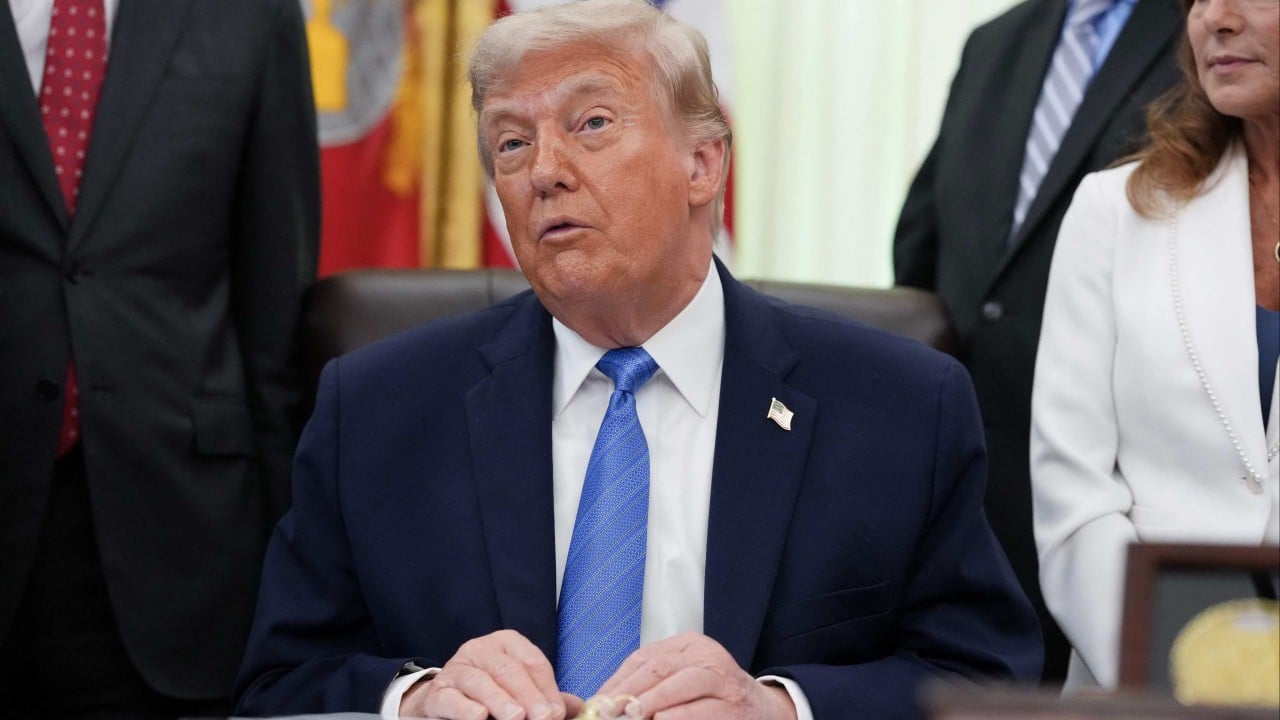
In a week marked by escalating geopolitical tensions, India has reaffirmed its commitment to strategic autonomy and the right to self-defense, even as it faces potential trade pressures from the United States over its energy imports. External Affairs Minister S. Jaishankar's recent statements underscore India's resolve to address security threats independently, while incoming US President Donald Trump's warnings about tariffs on Indian oil purchases from Russia highlight the complexities of global alliances.
The developments began unfolding earlier this week, with Jaishankar emphasizing India's firm stance on self-defense during discussions on regional security. On January 2, 2026, he highlighted the need for India to protect its interests amid ongoing challenges, particularly from cross-border terrorism linked to neighboring Pakistan. This rhetoric comes at a time when India seeks to balance its foreign policy between Western alliances and partnerships with nations like Russia, amid a broader shift in global dynamics.
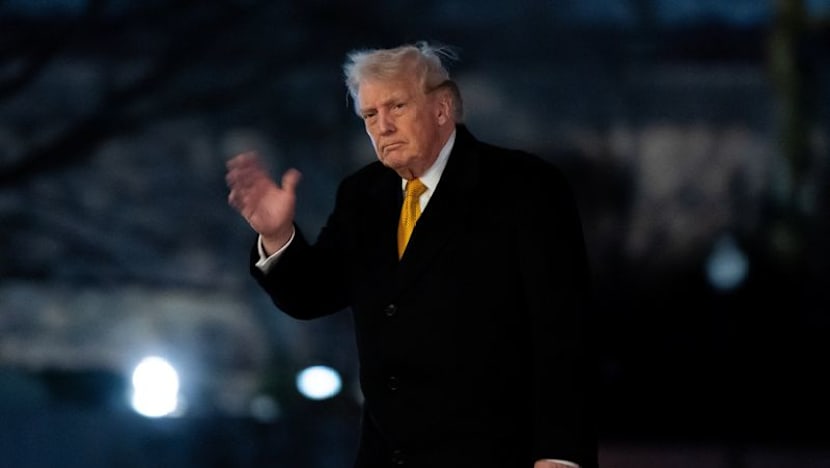
Simultaneously, Trump's warning, reported on January 5, 2026, by Channel News Asia, targets India's continued imports of Russian oil. The US President-elect threatened to impose higher tariffs, potentially up to 50%, on Indian goods in response to these purchases, which he views as undermining efforts to isolate Russia amid ongoing international conflicts. This move signals a potential escalation in US-India trade relations, building on previous tensions during Trump's first term when similar sanctions were threatened over oil imports from countries like Venezuela and Iran.
Jaishankar's comments on self-defense provide crucial context to India's broader foreign policy. Speaking in various forums, including diplomatic engagements, he reiterated that India will not compromise its sovereignty or security for external pressures. This assertion is rooted in India's historical experiences with terrorism, including attacks attributed to groups operating from Pakistan, such as the 2019 Pulwama incident and subsequent airstrikes. By emphasizing strategic autonomy, Jaishankar is signaling India's intent to maintain multifaceted partnerships, including with Russia for energy needs, while navigating alliances like the Quadrilateral Security Dialogue (Quad) with the US, Japan, and Australia.
The tariff threat from Trump adds another layer to these dynamics. India, as one of the world's largest oil importers, has increasingly sourced discounted crude from Russia following Western sanctions after the 2022 invasion of Ukraine. This has helped stabilize India's energy costs amid global price fluctuations, but it has drawn ire from the US, which is pushing for reduced dependence on Russian supplies. According to reports, Trump's administration aims to leverage tariffs to encourage India to align more closely with Western energy strategies, potentially affecting billions in bilateral trade.
Background on these events reveals a pattern of India carefully balancing its relations with major powers. Since the Cold War era, India has pursued a non-aligned policy, evolving into what is now termed "multi-alignment." This approach has been tested under recent administrations, with Prime Minister Narendra Modi's government strengthening ties with the US through defense pacts and technology sharing, while also deepening energy and defense collaborations with Russia. The current tensions underscore the challenges of this strategy in an era of heightened global rivalries, including US-China competition and the ongoing Russia-Ukraine conflict.
Public sentiment on these issues, as observed on social media platforms like X, reflects a mix of nationalistic resolve and concern. Posts from verified users, including military veterans and analysts, highlight defiance against external pressures, with some echoing Jaishankar's emphasis on sovereignty and energy security. For instance, discussions on X portray India's oil purchases as a pragmatic step for economic stability, while others warn of the risks of alienating key allies like the US. These reactions, while not verified as official policy, illustrate the domestic debate surrounding India's geopolitical maneuvers.
Looking ahead, these events could reshape international relations in 2026. India may respond to US tariffs by accelerating efforts toward energy self-reliance, such as expanding renewable sources and domestic production, as part of its Atmanirbhar Bharat initiative. Meanwhile, Jaishankar's focus on self-defense could lead to heightened vigilance along India's borders, potentially influencing regional stability in South Asia. Diplomatic channels between New Delhi and Washington remain open, with ongoing talks possibly mitigating escalation, but the outcome will depend on how both nations navigate their shared interests in countering China and addressing global security threats.
As India continues to assert its place on the world stage, these intertwined issues of trade, energy, and security highlight the delicate balance of power in a multipolar world. Observers will be watching closely for any concrete policy shifts in the coming months.
Track this story live
Live World Map
Monitor global events in real time with a live activity map and hotspot summaries.
Markets
Connect live events to Catalyst market signals across crypto, commodities, indices, and forex.
Geopolitical Risk
Live geopolitical risk index tracking conflict zones, sanctions, and global threat levels.
Original Sources
- •Trump warns of higher tariffs on India over Russian oil purchases— Channel News Asia
Editorial process: This article was synthesized from the original sources cited above using The World Now's AI editorial system, with byline accountability from our editorial team. We grade every story for source grounding, factual coherence, and on-topic match before publication. Read more about our editorial standards and contributors. Spot something inaccurate? Let us know.
Last updated: January 17, 2026