India Asserts Self-Defense Rights Amid Rising Tensions with Pakistan, Bolsters Military Modernization

Latest from X
India Asserts Self-Defense Rights Amid Rising Tensions with Pakistan, Bolsters Military Modernization
New Delhi, January 4, 2026 – In a series of significant geopolitical developments, India’s External Affairs Minister S. Jaishankar has reiterated the nation’s unwavering stance on self-defense against terrorism, particularly from neighboring Pakistan, while the Indian Army has undertaken a major transformation to bolster its capabilities for modern warfare. These events underscore India’s strategic autonomy and its determination to address security challenges on its terms.
On January 2, Jaishankar delivered a stern message, emphasizing India’s right to defend itself against neighbors supporting terrorism. Speaking in the context of ongoing tensions with Pakistan, he linked security concerns to broader bilateral issues, including water-sharing under the Indus Waters Treaty. “You can’t ask for water and continue terrorism,” Jaishankar stated, as reported by The Economic Times. He further asserted that no external power can dictate India’s actions, highlighting the country’s commitment to safeguarding its sovereignty and citizens. This statement comes in the wake of recent conflicts, including Operation Sindoor in 2025, a military campaign targeting terror infrastructure in Pakistan following the Pahalgam attack in Jammu and Kashmir, which claimed 26 civilian lives.
Jaishankar’s remarks have drawn sharp responses from across the border, with Pakistan rejecting the accusations and defending its stance on Kashmir and water-sharing agreements, according to reports from The Express Tribune. The minister’s comments reflect a broader policy shift, often referred to as the “new India doctrine,” which prioritizes decisive and unapologetic responses to cross-border threats. Posts on X from verified accounts, including news outlets like News18, have highlighted Jaishankar’s focus on India’s civilizational identity and its growing global role, alongside its firm counter-terrorism stance.
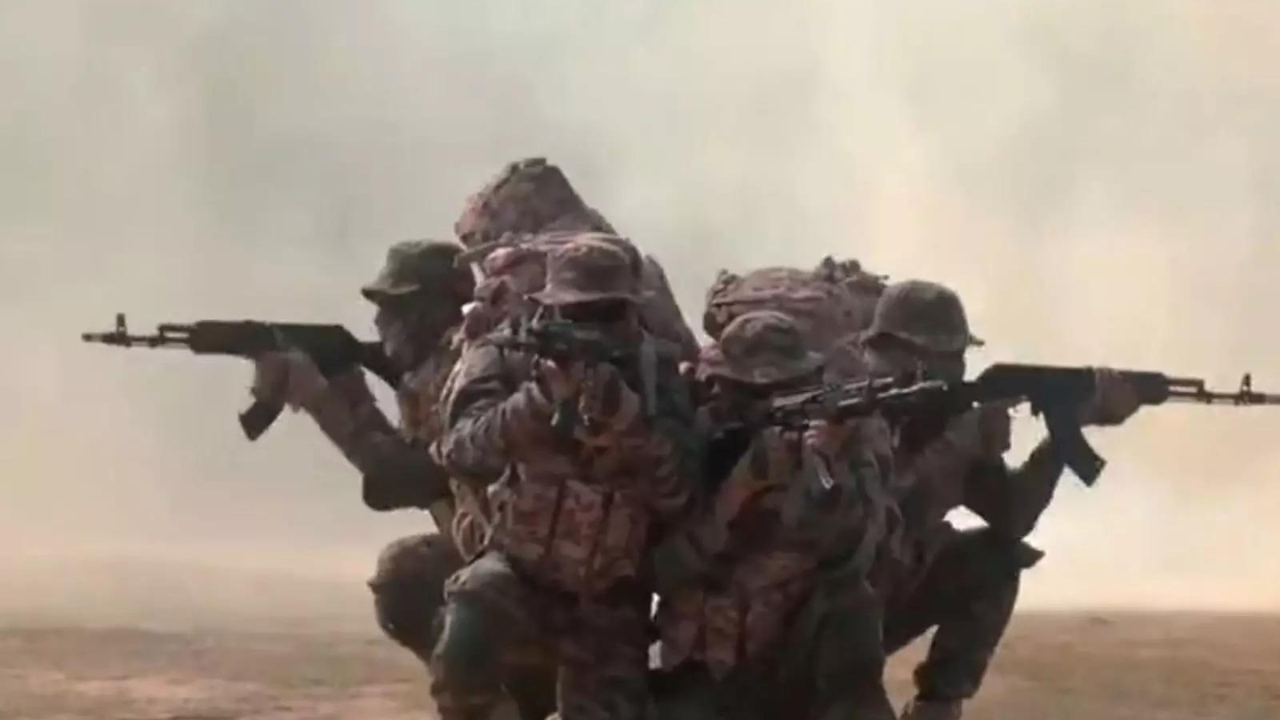
Meanwhile, in a parallel development, the Indian Army has embarked on one of its largest-ever transformations to prepare for modern warfare challenges. As reported by the Times of India on January 4, the army has created a force of over 100,000 drone operatives, marking a significant push towards integrating advanced technology into military operations. Additionally, a new Special Forces unit named Bhairav has been established to enhance capabilities in contemporary combat scenarios. This restructuring aligns with the central government’s broader agenda of modernizing the defense forces to address evolving threats, including cyber warfare and unmanned aerial systems, which have become critical in conflicts worldwide.
Background: A History of Tensions and Modernization Efforts
India-Pakistan relations have long been strained, primarily due to disputes over Kashmir and allegations of cross-border terrorism. The 2025 conflict, sparked by the Pahalgam attack and followed by India’s missile strikes under Operation Sindoor, marked a significant escalation. India accused Pakistan of harboring militant groups like Jaish-e-Mohammed and Lashkar-e-Taiba, a charge Pakistan has consistently denied. The skirmishes that followed underscored the fragile state of bilateral ties, with both nations trading accusations of targeting civilian areas.
On the military front, India’s modernization efforts have gained momentum in recent years. The emphasis on drone technology and specialized units like Bhairav reflects lessons learned from global conflicts, where unmanned systems and rapid-response teams have proven decisive. The creation of a large drone operative pool positions India among the forefront of nations adapting to tech-driven warfare, a necessity given the complex security landscape in South Asia.
Regional and Global Implications
Jaishankar’s assertion of strategic autonomy signals India’s intent to navigate its foreign policy independently, even as it engages with global partners. His remarks on regional support and vaccine diplomacy, as noted in posts on X by verified accounts like News18, suggest India is balancing its security priorities with a broader vision of leadership in the Global South. However, the hardline stance on Pakistan could further complicate diplomatic efforts in the region, especially concerning shared resources like water, which remain a contentious issue under the Indus Waters Treaty.
The military modernization, meanwhile, sends a clear message of preparedness. The drone force and Bhairav unit not only enhance India’s defensive capabilities but also project strength in a region fraught with instability. This could influence how neighboring countries and global powers perceive India’s role in South Asian security dynamics.
Outlook: Challenges and Opportunities Ahead
As India doubles down on its right to self-defense and accelerates military reforms, the path forward remains fraught with challenges. Tensions with Pakistan are unlikely to abate without sustained dialogue, yet Jaishankar’s statements indicate a policy of zero tolerance for terrorism as a prerequisite for cooperation. The international community will be watching closely, particularly as water-sharing and border security issues continue to intersect with broader geopolitical concerns.
On the domestic front, the Indian Army’s transformation into a tech-savvy, modern force offers opportunities to strengthen national security. However, it also demands significant investment and training to ensure effectiveness. As India navigates these dual priorities—asserting its sovereignty and modernizing its defenses—it stands at a critical juncture in shaping its regional and global standing for the years ahead.
Track this story live
Live World Map
Monitor global events in real time with a live activity map and hotspot summaries.
Markets
Connect live events to Catalyst market signals across crypto, commodities, indices, and forex.
Geopolitical Risk
Live geopolitical risk index tracking conflict zones, sanctions, and global threat levels.
Original Sources
- •
- •
Editorial process: This article was synthesized from the original sources cited above using The World Now's AI editorial system, with byline accountability from our editorial team. We grade every story for source grounding, factual coherence, and on-topic match before publication. Read more about our editorial standards and contributors. Spot something inaccurate? Let us know.
Last updated: January 11, 2026






