
India Asserts Right to Self-Defense as Tensions Rise Over Neighboring Threats
In a significant statement underscoring India's strategic stance against terrorism, External Affairs Minister S. Jaishankar emphasized the nation's inherent right to self-defense, particularly in light of ongoing challenges posed by neighboring Pakistan. This statement, made on January 2, 2026, comes amid increasing geopolitical tensions in the region and concerns about India's sovereignty.
Jaishankar's remarks were framed within a broader discourse on India's strategic autonomy, particularly as the country navigates complex relationships with its neighbors. "We will defend our sovereignty and our interests. We have the right to self-defense, and we will exercise it as necessary," Jaishankar stated, reflecting the Indian government’s resolute position against external threats.
The external affairs minister's comments resonate strongly in the context of India's historical conflicts with Pakistan, especially regarding cross-border terrorism. India has consistently accused Pakistan of harboring and supporting terrorist groups that target Indian territory. This assertion of self-defense rights aligns with India's broader defense policy, which emphasizes proactive measures to ensure national security.
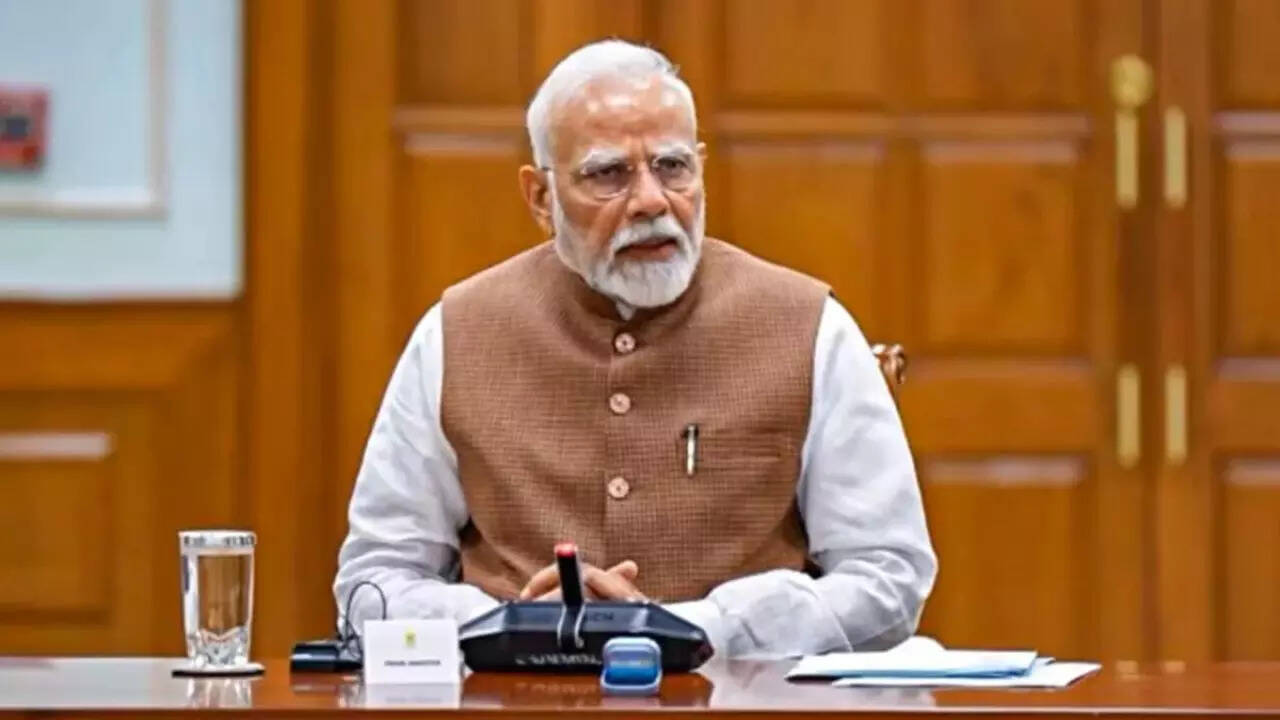
Compounding these tensions, a Meitei civil society group has recently raised alarms regarding the international outreach of a Kuki group, which they claim poses a threat to India's sovereignty and security. The organization has written to Prime Minister Narendra Modi, urging the government to take immediate action to review security policies and the Suspension of Operations agreements that were intended to mitigate violence in Manipur, a state currently struggling with ethnic tensions.
The Meitei body’s concerns highlight the complexity of domestic security in India, particularly in its northeastern states, where ethnic divisions have led to violence and unrest. Their appeal reflects a growing anxiety that external influences could exacerbate local conflicts, potentially drawing in international scrutiny and intervention.
The Kuki group’s outreach to foreign governments and UN bodies has raised questions about the implications for India's territorial integrity. The Meitei organization warned that such actions could undermine the government's efforts to maintain peace and stability in the region. "We cannot allow any group to jeopardize our nation’s sovereignty by seeking foreign intervention," the letter to the Prime Minister stated.
This situation underscores the delicate balance the Indian government must maintain between addressing internal ethnic strife and asserting its national sovereignty in the face of external threats. As India continues to grapple with these challenges, the government is likely to respond with measures aimed at reinforcing its stance on self-defense while also addressing the concerns of its citizens regarding internal security.
In conclusion, as tensions rise both externally with Pakistan and internally with ethnic groups in states like Manipur, India's leadership is poised to navigate these complex geopolitical landscapes carefully. The assertion of self-defense rights by Jaishankar signifies a clear message to both domestic and international audiences about India's commitment to protecting its sovereignty and addressing terrorism, while the concerns raised by the Meitei community reflect the ongoing challenges faced within the country. The developments in the coming weeks will be crucial in determining how India manages these multifaceted geopolitical issues.