
India Asserts Right to Self-Defense Amidst Terrorism Concerns
In a significant statement that underscores India's ongoing battle against terrorism, External Affairs Minister S. Jaishankar recently emphasized the nation's right to self-defense, particularly in the context of threats posed by its neighbor, Pakistan. This assertion came as India continues to navigate complex geopolitical challenges in South Asia, including ongoing tensions related to terrorism and national security.
Jaishankar's remarks, made during a press briefing on January 2, 2026, highlighted India's commitment to safeguarding its sovereignty and security. “India has the right to defend itself against terrorism, and we will take all necessary steps to ensure our national interests are protected,” he stated. His comments reflect a broader strategic posture aimed at reinforcing India's autonomy in foreign policy and security matters, particularly as it relates to Pakistan, which India accuses of harboring and supporting terrorist activities on its soil.
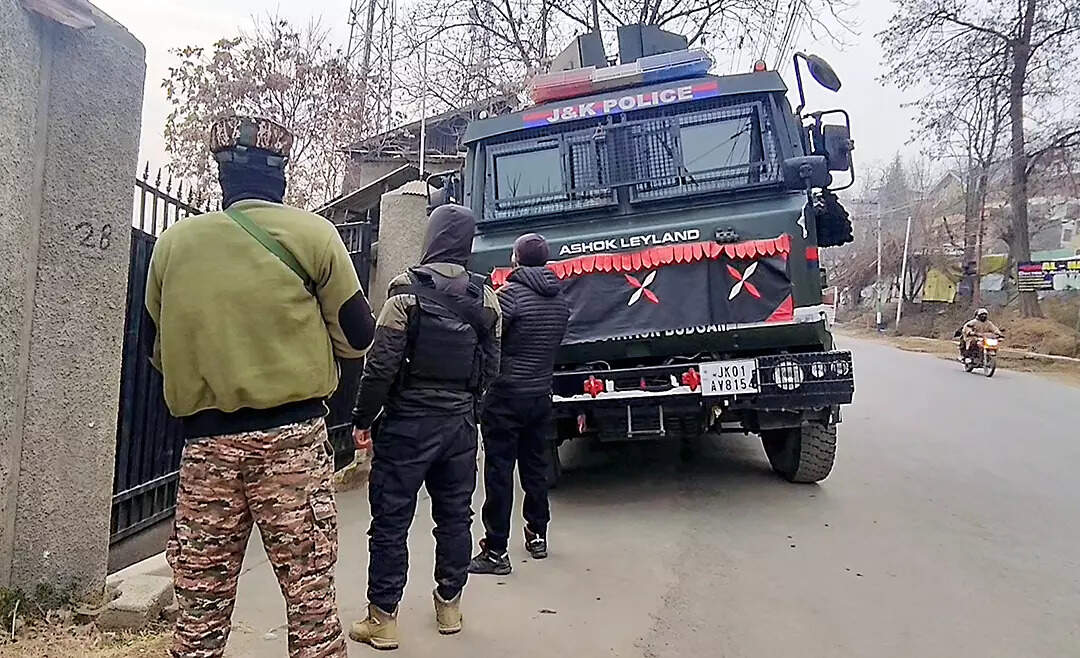
This statement comes at a time when India is intensifying its efforts to combat unlawful activities linked to terrorism. In a related development, the Kathua Police in Jammu attached properties worth millions belonging to seven individuals accused under the Unlawful Activities (Prevention) Act (UAPA). These individuals, residing in Pakistan, are implicated in activities that threaten India's national security. The police action demonstrates a robust approach to dismantling networks that facilitate terrorism and highlights the Indian government's commitment to enforcing laws that counteract anti-national activities.
The attachment of properties is part of a larger strategy to disrupt financial and logistical support for terrorist organizations operating within and outside India. The UAPA, which allows for stringent measures against individuals and organizations involved in terrorist activities, has been a key legal tool for Indian authorities in this ongoing fight.
Context and Background
The relationship between India and Pakistan has been fraught with tension, particularly since the 1947 partition that led to the creation of both nations. Over the years, various conflicts have emerged, many rooted in the Kashmir dispute and the accusation of cross-border terrorism. India has consistently voiced concerns about Pakistan's alleged support for militant groups that carry out attacks on Indian soil.
In recent years, as the global landscape has shifted with new geopolitical alliances and challenges, India has sought to assert its role as a regional power. The government has emphasized a doctrine of self-reliance and strategic autonomy, making it clear that it will not hesitate to take decisive action against threats to its national security.
Conclusion
As India navigates its complex security landscape, the emphasis on self-defense and the recent legal actions against individuals linked to terrorism underscore the government's commitment to addressing the challenges posed by its neighbors. The situation remains dynamic, and India's approach will likely continue to evolve as it seeks to balance its security needs with broader geopolitical considerations in South Asia and beyond.






