
India Asserts Right to Self-Defense Amid Regional Tensions
In a significant assertion of India's national security policy, External Affairs Minister S. Jaishankar recently emphasized the country's inherent right to self-defense against terrorism. His remarks come at a time when India faces persistent security challenges from neighboring Pakistan, particularly concerning cross-border terrorism. This statement underscores India's commitment to strategic autonomy and its readiness to counter any threats to its sovereignty.
Minister Jaishankar made the comments on January 2, 2026, as part of a broader discourse on India's defense posture and its military modernization efforts. He articulated that India will not hesitate to take necessary measures to protect its citizens from terrorist activities, a concern that has been exacerbated by a history of conflict with Pakistan over issues related to Kashmir and militant groups operating within the region.
Military Modernization Efforts
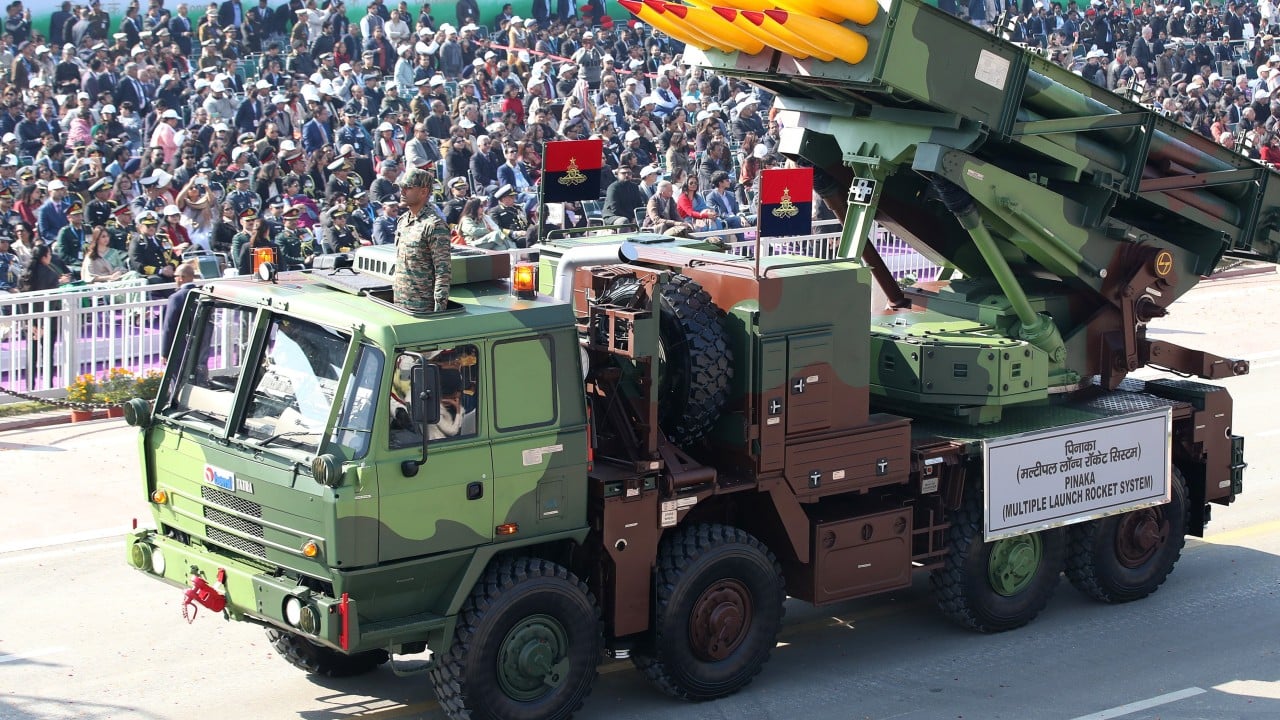
As India grapples with these security challenges, the government is concurrently advancing its military capabilities. According to a recent report by the South China Morning Post, India's defense modernization is accelerating, with three major defense packages worth $30 billion approved last year. This investment is part of India's total defense budget of $78.7 billion for the current financial year, which was ratified by parliament in February 2025.
The modernization initiatives are designed to enhance India's operational readiness and technological edge in the face of regional threats, particularly from Pakistan and China. Analysts suggest that while the Indian government is making headway in upgrading its military assets, challenges remain in ensuring that these systems are deployed efficiently and effectively.
Context of the Statements
Jaishankar's emphasis on the right to self-defense is not an isolated statement but rather part of a broader narrative regarding India's national security strategy. The historical context of India's relations with Pakistan, marked by several military conflicts and ongoing skirmishes over Kashmir, plays a crucial role in shaping current policy. The recent surge in terrorist incidents linked to Pakistan-based groups has further fueled India's resolve to enhance its defensive capabilities.
India's strategic autonomy is a critical aspect of its foreign policy, allowing it to navigate complex geopolitical landscapes without undue influence from major powers. This principle has been particularly relevant as India seeks to balance its relationships with the United States, China, and Russia, all of which have vested interests in the region.
Conclusion
As India continues to assert its right to self-defense and bolster its military capabilities, the implications for regional stability remain significant. The ongoing tensions with Pakistan, combined with broader geopolitical dynamics, necessitate a careful approach to defense and diplomacy. The commitment to modernization and strategic autonomy reflects India's determination to safeguard its national interests while navigating a complex security environment.
With the global landscape continuously evolving, India’s actions in the coming months will be closely monitored, both domestically and internationally, as the country seeks to balance its defense needs with its diplomatic objectives.






