
India Asserts Right to Self-Defense Amid Regional Tensions
India's External Affairs Minister S. Jaishankar has reaffirmed the country's right to self-defense in the face of ongoing terrorism threats, particularly highlighting challenges posed by neighboring Pakistan. This assertion comes as a significant stance amid escalating geopolitical tensions in the region, with India's strategic autonomy becoming a focal point of its foreign policy.
In a statement made on January 2, 2026, Jaishankar emphasized the necessity for India to protect its sovereignty and security against external threats, specifically referencing the historical context of terrorism emanating from Pakistan. He stated, "We have a right to defend ourselves against terrorism, and that right is non-negotiable." This declaration underscores India's ongoing commitment to safeguarding its national interests while navigating a complex geopolitical landscape.
Jaishankar's comments come as India continues to bolster its military capabilities and strengthen alliances with other nations to counter threats in the region. The Indian government has been vocal about its concerns regarding cross-border terrorism, particularly in light of past incidents that have heightened tensions between the two nuclear-armed neighbors.
Geopolitical Context
The backdrop to Jaishankar's remarks is a long-standing conflict between India and Pakistan, marked by territorial disputes, particularly over the Kashmir region, and accusations of state-sponsored terrorism. India has consistently accused Pakistan of harboring and supporting militant groups that conduct attacks on Indian soil. In response, India has pursued a multifaceted strategy that includes diplomatic engagement, military preparedness, and international advocacy against terrorism.
In addition to the security situation with Pakistan, India is also navigating complex relationships with other regional powers. The South Asian region has been increasingly volatile, with issues such as the ongoing India-Pakistan tensions over Kashmir and the broader implications of China's growing influence in the region.
Domestic Challenges: Water Disputes
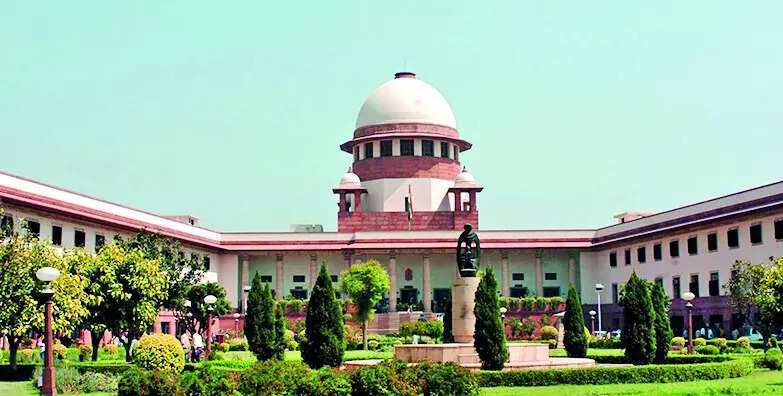
While India's external security concerns take center stage, domestic issues also play a crucial role in the country's geopolitical landscape. On the same day as Jaishankar's remarks, the Supreme Court of India agreed to examine a dispute between the states of Telangana and Andhra Pradesh regarding the ownership of flood water from inter-state rivers. Telangana has challenged Andhra Pradesh's Polavaram-Banakacherla Link Project, arguing that it unilaterally utilizes river water, thus violating the Godavari Water Disputes Tribunal award and reducing Telangana's water share.
This legal battle over water resources underscores the internal challenges India faces, as states contest resource allocation amidst growing demands for water due to agriculture, industry, and population growth. Such disputes can exacerbate regional tensions and complicate governance, diverting attention from external threats.
Conclusion
As India grapples with both external and internal challenges, Jaishankar's reaffirmation of the right to self-defense reflects a broader commitment to national security in an increasingly complex world. The ongoing water dispute highlights the necessity for effective governance and cooperation among states to mitigate domestic tensions that can spill over into broader geopolitical ramifications. With the situation evolving, India's approach to both its defensive posture and internal resource management will play a pivotal role in shaping its future stability and regional relations.