
India Asserts Right to Self-Defense Amid Regional Tensions
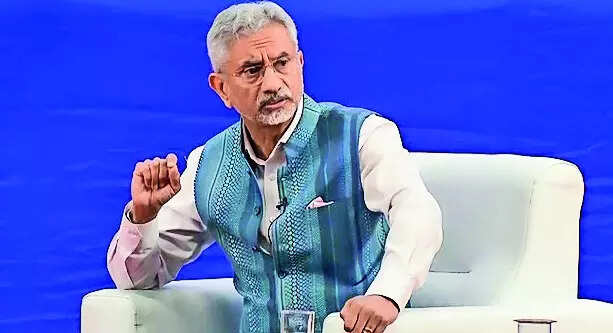
In a significant statement reflecting India's geopolitical stance, External Affairs Minister S. Jaishankar emphasized the nation's inherent right to self-defense against terrorism, particularly in light of ongoing challenges posed by neighboring Pakistan. His remarks were made during a press conference on January 2, 2026, where he underscored the importance of strategic autonomy for India amidst a complex regional security environment.
Jaishankar's comments come at a time when India faces persistent threats from terrorist organizations, with many of these groups allegedly receiving support from across the border in Pakistan. The Minister pointedly declared, "Bad neighbours don't get to tell India how to combat terror," asserting that India will pursue its own strategies to ensure national security. This statement signifies a robust stance on India's part, rejecting external criticism regarding its counter-terrorism measures.
During the briefing, Jaishankar highlighted that goodwill cannot coexist with hostility, a sentiment that resonates deeply with India's historical experiences in its relations with Pakistan. He referenced the Indus Waters Treaty as an example of India's commitment to cooperation, despite ongoing tensions. "India has been a supportive 'good neighbour,'" he stated, emphasizing the nation’s willingness to engage constructively while also standing firm in the face of aggression.
Jaishankar's remarks are particularly relevant as India navigates a shifting geopolitical landscape. With growing global influence through initiatives like the Indian Institute of Technology (IIT) Madras, India's role on the world stage is evolving. The country's commitment to enhancing its defense capabilities is seen as essential in addressing both internal and external security challenges.
The backdrop to Jaishankar's statements involves heightened tensions in the region, particularly related to the longstanding India-Pakistan conflict over Kashmir. Periodic flare-ups have occurred over the years, leading to military confrontations and diplomatic strains. As India continues to assert its position, the government appears determined to reinforce its sovereignty and territorial integrity.
In recent months, there has been a noticeable shift in India's defense posture, with increased military exercises and a focus on modernizing its armed forces. This has included collaborations with allies such as the United States and Australia, further enhancing India's strategic capabilities. The emphasis on self-defense aligns with India's broader national security strategy, which prioritizes resilience against both conventional and asymmetrical threats.
In conclusion, Jaishankar's assertions regarding India's right to self-defense against terrorism are emblematic of the country's firm stance on national security. As India navigates its complex relations with neighboring countries, particularly Pakistan, the government's commitment to strategic autonomy and self-defense will remain crucial in shaping its future engagements and responses to regional security challenges.






