
India Asserts Right to Self-Defense Amid Regional Tensions
In a significant statement reflecting India's stance on national security, External Affairs Minister S. Jaishankar recently emphasized the nation's inherent right to self-defense against terrorism, particularly concerning challenges posed by neighboring Pakistan. This assertion comes at a time when India is actively enhancing its strategic capabilities in response to ongoing geopolitical tensions.
Jaishankar, speaking on January 2, 2026, highlighted that India must maintain its strategic autonomy and be prepared to respond to threats emanating from its borders. His remarks come as the country grapples with persistent security concerns, particularly related to cross-border terrorism. “Self-defense is not only a right but a necessity in the current geopolitical context,” Jaishankar stated, underscoring India's commitment to safeguarding its sovereignty.
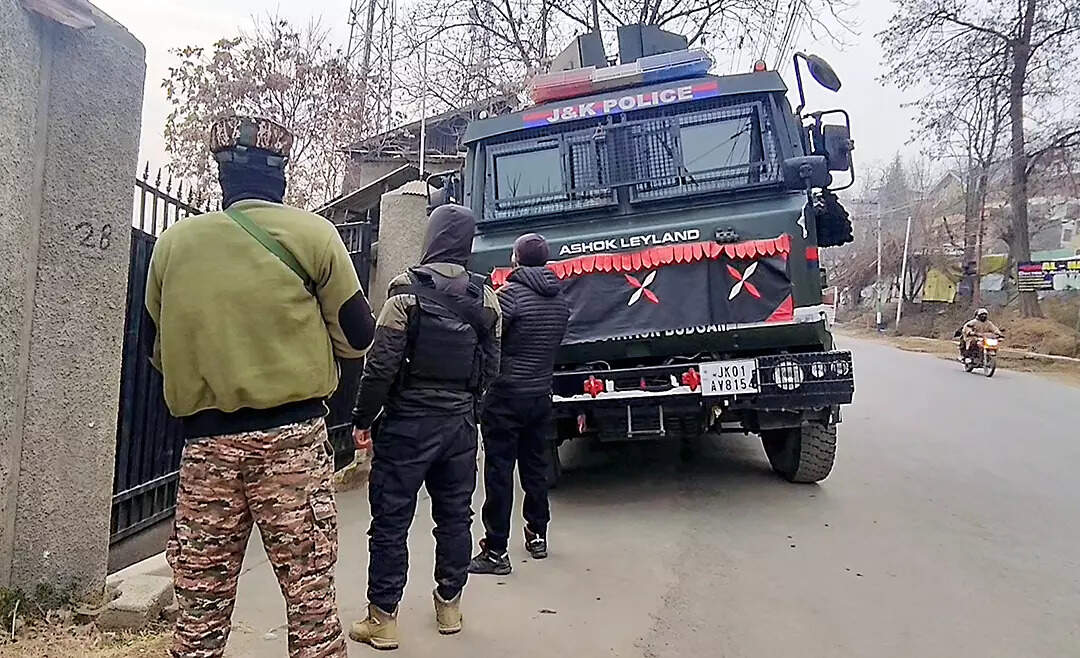
In a related development, the Kathua Police in Jammu announced the attachment of properties belonging to seven individuals accused under the Unlawful Activities (Prevention) Act (UAPA). These individuals, reportedly residing in Pakistan, are linked to activities deemed anti-national. The police action signifies India’s rigorous approach to tackling terrorism and highlights the ongoing commitment to curbing unlawful activities that threaten national security. The properties, valued at several crores, are part of a broader effort to disrupt networks that facilitate terrorism in the region.
This heightened security focus aligns with ongoing infrastructural developments within the Indian Armed Forces. On the same day, the Chief of Defence Staff (CDS) inaugurated an upgraded runway at the Indian Air Force (IAF) base in Car Nicobar island. This upgrade aims to bolster India's strategic reach over the crucial Malacca Strait, a vital waterway for international shipping and trade. The improvements are seen as a strategic move to enhance India's operational capabilities in the region, particularly amid rising tensions with China and ongoing maritime challenges.
Background
India's security apparatus has faced escalating challenges over the years, notably from Pakistan-based militant groups that have been responsible for numerous attacks on Indian soil. The UAPA has been a pivotal instrument in India's legal framework to combat terrorism, enabling the government to take decisive action against individuals and groups involved in such activities.
The Car Nicobar island, strategically located at the southeastern edge of the Indian archipelago, plays a critical role in India’s defense strategy, especially concerning maritime security in the Indian Ocean Region. The upgraded IAF base is expected to facilitate enhanced surveillance and rapid response capabilities, further asserting India’s position in a region marked by increasing competition and geopolitical maneuvering.
Conclusion
As India navigates a complex geopolitical landscape, the government's assertions regarding self-defense and the ongoing enhancements to military infrastructure reflect a proactive approach to national security. The recent developments underscore the importance of maintaining strategic autonomy while addressing existential threats, particularly in relation to terrorism and regional instability. As tensions persist, the world will be watching closely how India balances its defense priorities with diplomatic efforts in the region.






