
India Asserts Right to Self-Defense Amid Geopolitical Tensions
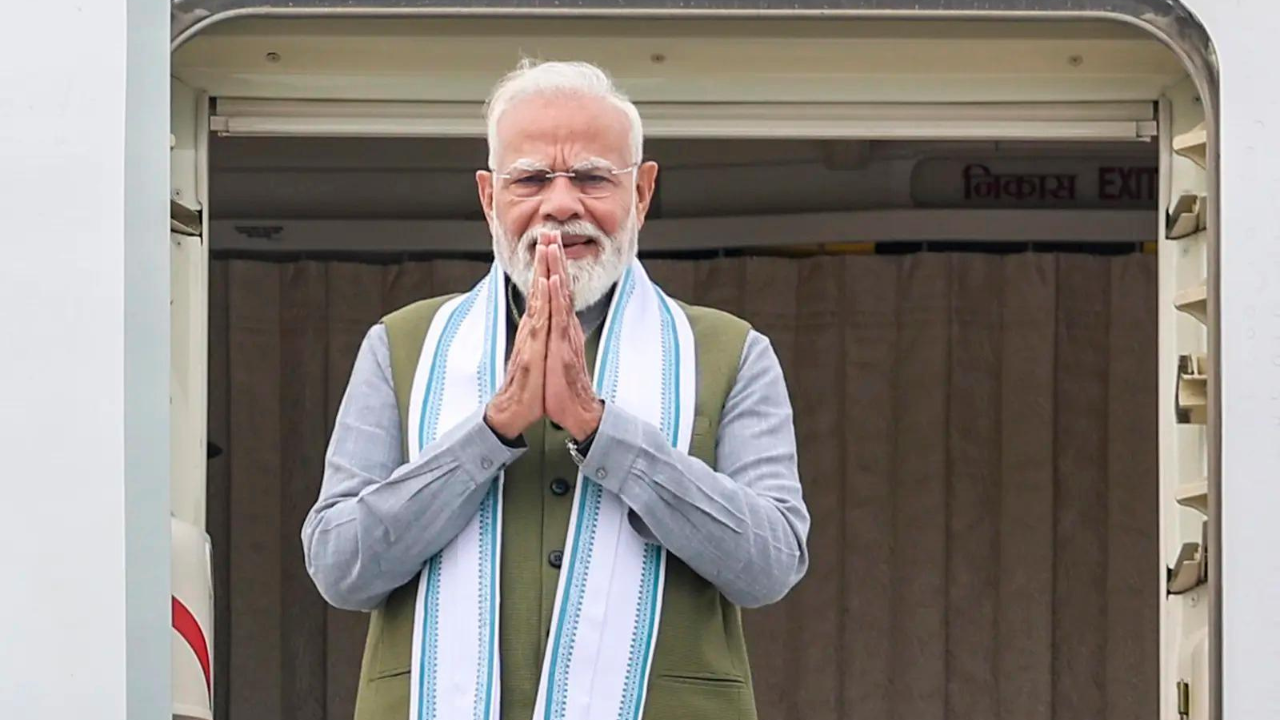
India's External Affairs Minister S. Jaishankar recently underscored the country's right to self-defense against terrorism, particularly concerning ongoing tensions with neighboring Pakistan. His remarks, delivered on January 2, 2026, highlight India's commitment to safeguarding its national security while emphasizing its strategic autonomy in foreign policy. This statement comes at a time when regional security dynamics are increasingly precarious, with Pakistan's support for various militant groups posing persistent threats to India.
During a press conference, Jaishankar articulated India's stance, asserting, "We have the right to defend ourselves against terrorism, which has been a significant challenge emanating from across our borders." His comments reflect a broader sentiment within the Indian government regarding the need to address security concerns without compromising sovereignty or engaging in dependency on external powers.
The remarks also coincide with India's ongoing strategic recalibration in response to the evolving geopolitical landscape in South Asia. India continues to face challenges from various fronts, including the ongoing tensions with Pakistan over Kashmir and the broader risks associated with terrorism. Jaishankar's emphasis on self-defense is indicative of India's resolve to respond decisively to threats while navigating complex diplomatic relationships.
Context of India's Defense Policy
India's assertion of its right to self-defense is rooted in its historical experiences with terrorism, particularly from Pakistan-based groups that have launched numerous attacks on Indian soil over the past decades. The issue has been a contentious point in India-Pakistan relations, often leading to military standoffs and diplomatic crises. The Indian government has consistently maintained that it will not tolerate acts of terrorism and reserves the right to take necessary measures to protect its citizens.
Jaishankar's statement also aligns with India's broader strategic objectives, which include enhancing military capabilities and fostering alliances with other nations to counterbalance perceived threats from adversaries. As part of this strategy, India has been involved in various defense agreements and cooperative security arrangements with countries such as the United States, Japan, and Australia.
Domestic Tensions and Water Disputes
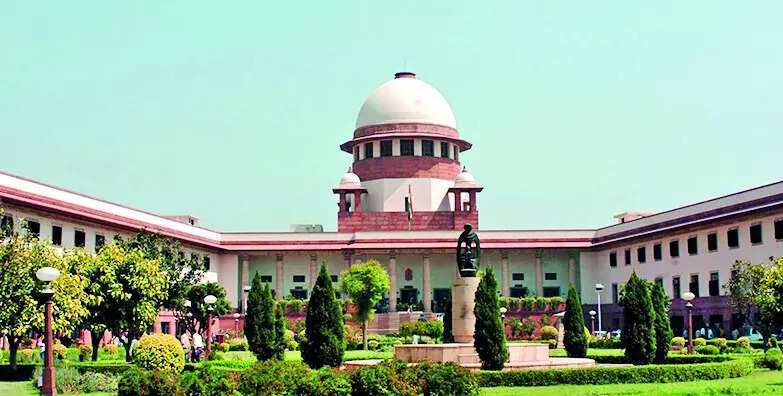
Parallel to the external security concerns, India is also grappling with internal disputes, particularly regarding water resources. A notable case involves the ongoing legal battle related to inter-state river water rights. The state of Telangana has lodged a challenge against Andhra Pradesh's Polavaram-Banakacherla Link Project in the Supreme Court. Telangana argues that the project unilaterally utilizes inter-state river water, violating the Godavari Water Disputes Tribunal's award and reducing Telangana's water share.
The Supreme Court's examination of this issue underscores the significance of water rights in India, a country where agriculture relies heavily on water resources. The outcome of this legal dispute could have widespread implications for inter-state relations and water management strategies in the region, highlighting the complexity of governance in a federal system where resource allocation is often contested.
Conclusion
As India navigates these multifaceted challenges, the assertion of self-defense rights amid external threats and the management of internal disputes over resources illustrates the intricate balance the government must maintain. With Jaishankar's recent statements serving as a reminder of the country's vigilance against terrorism, India's geopolitical posture remains focused on safeguarding national interests while managing relationships with neighboring states. The legal developments regarding water disputes further emphasize the importance of effective governance and cooperation in addressing both internal and external challenges.