
India Asserts Right to Self-Defense Amid Geopolitical Tensions
India's External Affairs Minister, S. Jaishankar, underscored the nation's right to self-defense against terrorism while addressing regional security concerns, particularly with neighboring Pakistan. This statement, made on January 2, 2026, comes at a time when India's strategic autonomy and national security policies are increasingly scrutinized amidst rising tensions in the region.
In his remarks, Jaishankar emphasized that India's position on self-defense is firmly rooted in its commitment to countering threats posed by terrorism. He noted, "We will always reserve the right to defend ourselves against any form of terrorism." This statement resonates with India's longstanding concerns regarding cross-border terrorism, particularly from Pakistan-based groups.
Context of Jaishankar's Statement
The backdrop of Jaishankar's declaration highlights a complex geopolitical landscape marked by ongoing tensions between India and Pakistan over issues such as Kashmir, as well as broader regional instability influenced by neighboring countries. The Indian government has expressed concerns about terrorist activities emanating from Pakistan, which it claims have been a persistent challenge to its national security.
Jaishankar's comments also reflect India's broader strategic posture as it seeks to balance its relationships with major powers like the United States and Russia while navigating regional tensions. The External Affairs Minister's emphasis on self-defense aligns with India's policy of prioritizing national security and sovereignty in its foreign relations.
India’s Economic Diplomacy
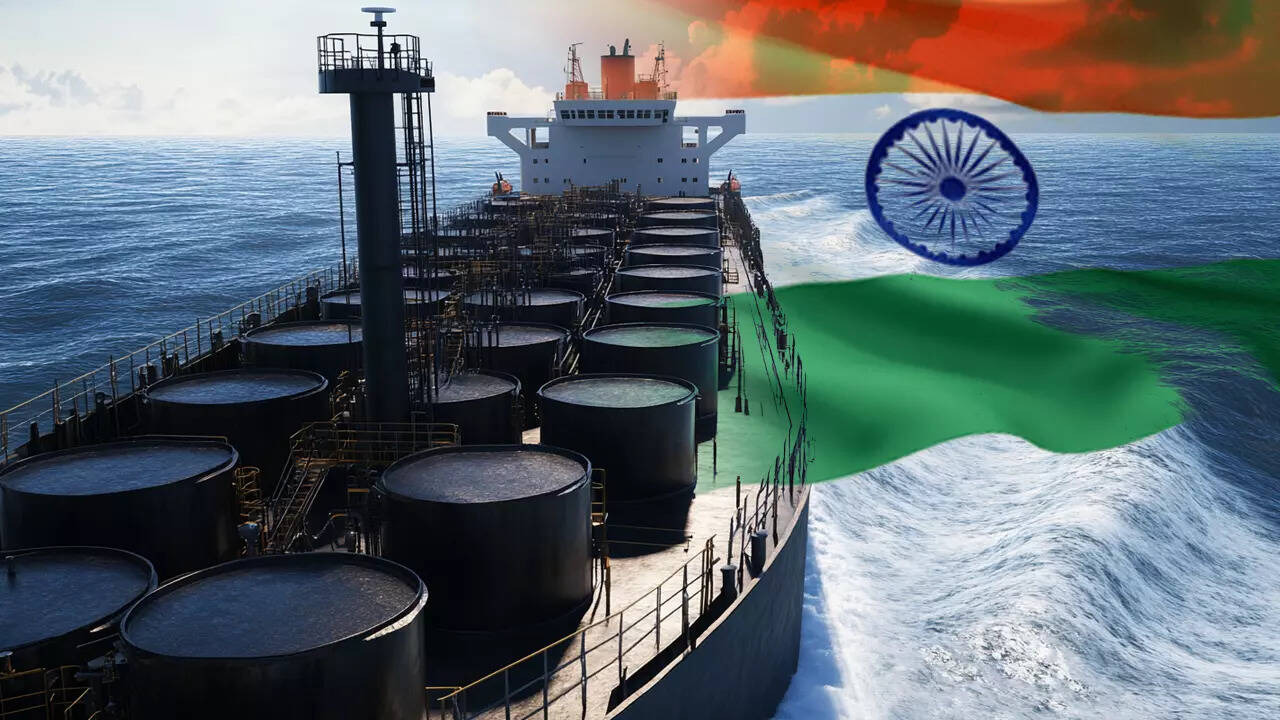
In parallel to these security discussions, India is reportedly moving closer to finalizing a trade agreement with the United States. The government has begun seeking weekly data from oil refiners on crude oil imports from both Russia and the US, signaling a strategic shift in its energy procurement policy. Reports indicate that Indian refiners are expected to reduce imports from Russia to below one million barrels a day as part of this adjustment.
This trade maneuvering is indicative of India's efforts to strengthen its economic ties with Washington while diversifying its energy sources. The anticipated trade deal reflects a growing partnership between the two nations, which has been bolstered by shared interests in regional security and economic resilience.
Conclusion
As India navigates its geopolitical landscape, the assertion of its right to self-defense against terrorism reaffirms its commitment to national security in the face of regional challenges. Concurrently, the push towards a trade agreement with the United States highlights India's strategic economic interests, showcasing a multifaceted approach to its foreign policy. The coming months will be critical in determining how these dynamics evolve, particularly as India continues to address its security concerns while fostering international partnerships.