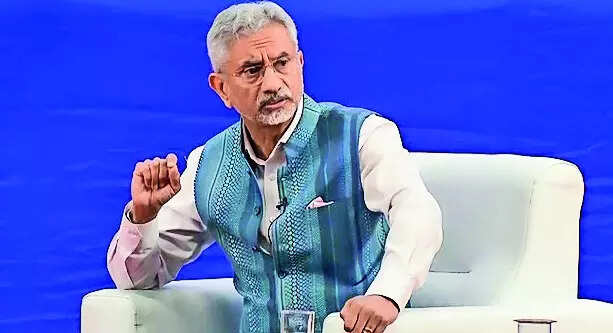

India Asserts Right to Self-Defense Against Terrorism Amid Regional Tensions
In a recent statement that underscores India's ongoing geopolitical challenges, External Affairs Minister S. Jaishankar affirmed the country's right to self-defense against terrorism, particularly in light of persistent threats from neighboring Pakistan. Speaking on January 2, 2026, Jaishankar emphasized that India's approach to national security must be respected and that goodwill cannot flourish in an environment of hostility.
During an address, Jaishankar articulated that "bad neighbors don't get to tell India how to combat terror," referencing India's historical struggles with terrorism attributed to cross-border elements. His remarks come at a time when regional tensions are heightened, particularly concerning Pakistan's actions and its support for groups that India designates as terrorist organizations.
Strategic Autonomy and Regional Security
Jaishankar's comments are significant within the broader context of India's strategic autonomy—a principle that has guided New Delhi's foreign policy decisions, especially in matters of national defense and security. He noted that while India strives to be a 'good neighbor' and promote stability in the region, it will not compromise on its sovereignty or the safety of its citizens.
"The Indus Waters Treaty is a prime example; goodwill cannot coexist with hostility," he remarked, implicitly highlighting the complexities of India-Pakistan relations and the impact of terrorism on diplomatic efforts. The treaty, which governs water sharing between the two nations, has been a contentious issue, often exploited as a point of leverage in bilateral discussions.
India's Global Role and Influence
Jaishankar also took the opportunity to underscore India's growing influence on the global stage, particularly through established institutions like the Indian Institutes of Technology (IIT) and other educational initiatives. He suggested that India's contributions to regional stability and development should be recognized, framing the country as a supportive power rather than a belligerent actor.
The External Affairs Minister's statements reflect a dual approach to foreign policy, wherein India seeks to maintain a secure environment while simultaneously fostering partnerships and goodwill. This approach is particularly relevant as India navigates its relationships with both Western allies and neighboring countries in South Asia.
Background: India-Pakistan Relations
The tension between India and Pakistan has deep historical roots, significantly marked by several conflicts since the partition in 1947. Issues surrounding Kashmir, cross-border terrorism, and military standoffs have perpetuated a cycle of hostility. Despite various attempts at diplomatic engagement, the relationship remains strained, particularly with Pakistan's alleged support for militant groups operating in India.
Jaishankar's remarks come against the backdrop of a volatile security landscape in the region, with ongoing tensions over Kashmir and sporadic military engagements. The Indian government has frequently reiterated its commitment to counter-terrorism and has taken measures to enhance its military preparedness and strategic capabilities.
Conclusion
As India continues to assert its right to self-defense, Jaishankar's comments serve as both a warning to adversaries and a reassurance to domestic audiences about the government's commitment to national security. The evolving geopolitical situation in South Asia remains complex, and India's position will undoubtedly play a crucial role in shaping the region's future dynamics.






