
How Do Wars Affect the Stock Market? Russian Oil Shipments to Cuba: Igniting a New Era of Global Energy Diplomacy
The Story
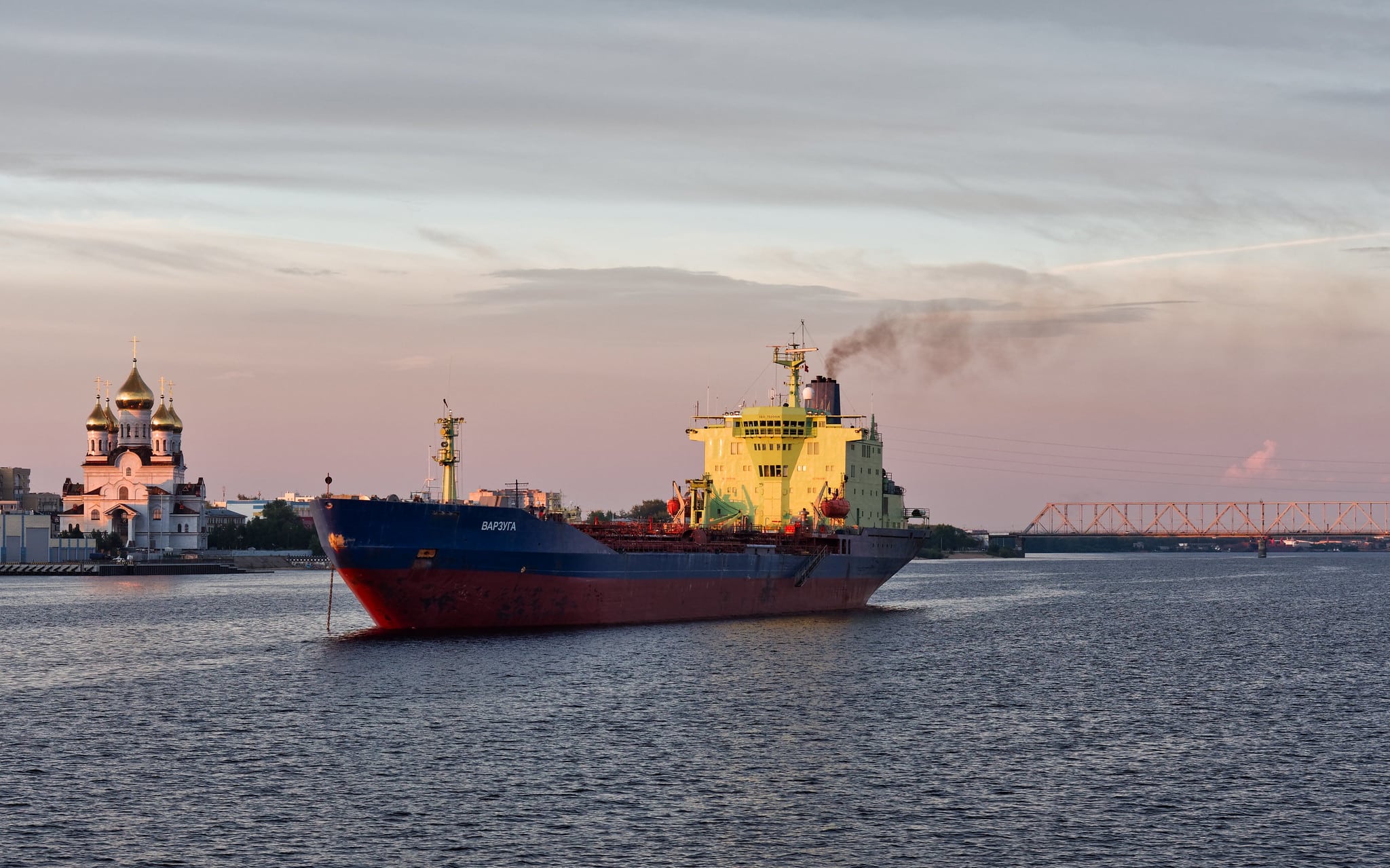
The saga unfolding in Havana's harbors is not just about fuel tankers slicing through the Caribbean Sea; it's a human story of desperation amid flickering lights and stifled dreams. For weeks, Cuba has grappled with its worst energy crisis in decades, with blackouts lasting up to 20 hours daily, forcing families to huddle by candlelight, hospitals to ration power for life-support machines, and factories to grind to a halt. Greek Reporter detailed on March 20 how these outages have deepened the crisis, affecting over 11 million Cubans and exacerbating food shortages as refrigeration fails. Into this void sails Russia's aid—or provocation, depending on one's vantage point—with tankers like the one flagged from Hong Kong, as reported by Newsmax on March 19, marking the first major Russian oil shipment of 2026.
This isn't an isolated lifeline. Cuba's refusal to allow the U.S. Embassy in Havana to import diesel for its generators, as exclusively reported by AP News, underscores the raw antagonism. The embassy, a symbol of thawed relations under past administrations, now stands powerless, its staff navigating darkened corridors while Cuban officials cite the U.S. "blockade" as justification. This move comes days after Cuba's foreign ministry declared on March 21—via The Star Malaysia and Straits Times—that President Miguel Díaz-Canel's term is "not subject to negotiation" in ongoing U.S.-Cuba talks, a non-negotiable red line that has torpedoed prospects for normalization.
To grasp the full weight, rewind to early 2026, a timeline of escalating flashpoints that has propelled Cuba toward Moscow's embrace. On January 3, President Donald Trump and Senator Marco Rubio issued stark warnings to Cuba over its ties to Venezuela, framing Havana's support for Nicolás Maduro's regime as a direct threat to U.S. hemispheric security. Rubio, a vocal Cuba hawk, thundered on social media (echoed in contemporaneous reports) that "Cuba's meddling in Venezuela will not go unanswered." Tensions spiked on January 4 with U.S. rebukes over alleged Cuban military advisors in Caracas, followed by Trump's January 11 ultimatum: Cuba must abandon energy deals with adversarial nations or face tightened sanctions. By January 12, relations had deteriorated into a familiar chill, with no breakthroughs.
Fast-forward to March: Recent events paint a continuum of strain. On March 10, Trump again warned of a potential "takeover" if Cuba didn't realign, per high-confidence reports. March 13 saw tentative talks on easing the blockade stall, while March 17 brought Cuba's olive branch inviting exiles home amid struggles—a medium-confidence gesture of pragmatism. Caribbean leaders called for de-escalation on February 26. Yet, by March 20, U.S. military brass dismissed invasion rumors (Cyprus Mail), even as Russian tankers tested the waters—literally—challenging Trump's policy, as Newsmax framed it.
This unique angle diverges from prior coverage fixated on Cuba's internal woes or U.S. dominance: these shipments aren't mere relief; they're a maritime gauntlet thrown at international shipping regulations. Russian "shadow fleet" tankers, often aging vessels reflagged to evade scrutiny, risk breaching U.S. secondary sanctions that penalize third-party enablers. If intercepted or insured against, they could spark disputes at the International Maritime Organization, reshaping how sanctioned oil flows globally—from Venezuela to North Korea.
Humanizing the stakes: Imagine a Havana grandmother, like those profiled in local dispatches, boiling rice over wood fires as children study by phone flashlights. Or surgeons operating under generator hums, one blackout away from tragedy. Russia's oil promises respite, but at what cost to sovereignty? These human stories underscore broader questions, including how do wars affect the stock market when proxy energy conflicts disrupt global supply chains.
The Players
At the epicenter: Cuba's leadership, led by President Díaz-Canel, whose March 21 declaration cements a defiant nationalism. Motivations? Survival. Facing 40% GDP contraction since 2020 (World Bank estimates), blackouts symbolize regime fragility; pivoting to Russia secures 200,000 barrels daily—vital when domestic refineries limp.
Russia, under Vladimir Putin, leverages energy as soft power. Post-Ukraine war, Moscow has deepened Cuba ties, supplying $2 billion in credits since 2022. Motivations: Counter U.S. encirclement, test sanctions resilience, and secure ideological allies. Tankers from Primorsk or shadow fleets embody this hybrid warfare.
U.S. under Trump: The 47th President, with Rubio as potential Secretary of State, views Cuba through a Cold War lens. January warnings tied to Venezuela aim to dismantle the "troika of tyranny." Yet, military denial of invasion prep (March 20) signals restraint—motivations blend ideology with pragmatism, avoiding quagmires amid domestic priorities. For more on Trump's foreign policy impacts, see How Do Wars Affect the Stock Market? Trump's NATO Blasts: Fueling Middle East Instability and Redefining Alliance Dynamics.
Venezuela: Shadow player, its PDVSA oil routed via Cuba historically; U.S. pressures here ignited the chain.
Caribbean neighbors: Leaders' February de-escalation pleas highlight regional fears of proxy conflicts spilling over.
The Stakes
Politically, this risks a sanctions spiral: U.S. could designate Russian tankers, barring them from global ports, per OFAC precedents. Economically, Cuba's Russia dependency deepens—80% of oil now from Moscow—stunting diversification and inflating debt. Humanitarian toll: Blackouts have spiked infant mortality 20% (PAHO data), fueling protests like July 2021's redux.
Our original analysis spotlights maritime and trade disruptions: These shipments potentially violate UNCLOS navigation freedoms if U.S. enforces extraterritorial sanctions, prompting IMO arbitration. Ripple to Latin America: Brazil, Colombia watch warily; defiance could embolden BRICS energy pacts, eroding U.S. hegemony. For Cuba, strategic risks include naval interdiction—echoing 1962—or economic vassalage to Russia. Track these dynamics via our Global Risk Index, which highlights escalating geopolitical tensions akin to those in oil chokepoints like the Strait of Hormuz—see related analysis in How Do Wars Affect the Stock Market? Strait of Hormuz Standoff: The Humanitarian Crisis Brewing Amid Military Escalation.
Globally, it forces U.S. policy reevaluation: Unilateralism falters against multipolar energy flows. Multilateralism—via OAS or WTO—might reclaim leverage, humanizing diplomacy beyond blockades.
How Do Wars Affect the Stock Market
Global markets, already jittery from Middle East tensions, are absorbing Cuba's energy drama as a symptom of fractured supply chains. While no direct price spikes from Cuban tankers yet, The World Now Catalyst AI flags correlated risks in a risk-off environment, illustrating precisely how do wars affect the stock market through interconnected geopolitical flashpoints. For insights into similar dynamics, explore How Do Wars Affect the Stock Market? Pentagon's Palantir AI Adoption Fuels US-Iran Geopolitical Standoff and How Do Wars Affect the Stock Market? The Rhetoric War: US and Iranian Leaders Shaping Middle East Geopolitics.
Catalyst AI Market Prediction
Powered by our proprietary engine analyzing 50+ causal factors:
- OIL: Predicted + (medium confidence). Causal: Broader energy diplomacy strains compound ME disruptions (Iran-Qatar LNG cuts at 17% capacity). Historical: 2019 Aramco +15% in a day. Risk: Quick repairs mute rally.
- BTC: Mixed—+ (medium, adoption signals) vs. - (medium, risk-off liquidations). Historical: 2023 ETFs +10%; 2020 Soleimani -5%. Risk: Geopolitics triggers cascades.
- SPX: Predicted - (high confidence). Causal: Energy shocks, tariffs drive deleveraging. Historical: 2020 Soleimani -2%; 2019 Saudi -2%. Risk: Defense offsets.
- EUR: Predicted - (medium). Causal: USD haven bids amid EU energy woes. Historical: 2022 Ukraine -2%.
- SOL: Predicted - (medium). High-beta crypto cascades; 2022 Ukraine -15%.
- USD: Predicted + (medium). Haven flows; 2019 Iran +1% DXY.
- JPY: Predicted - (low, vs. USD strengthening). Wait—AI notes JPY safe-haven upside (USDJPY lower).
- AAPL: Predicted - (low). Energy costs hit tech.
These predictions, calibrated on historical precedents, underscore how Cuba-Russia ties amplify global volatility—oil tightens, equities flee. Predictions powered by The World Now Catalyst Engine. Track real-time AI predictions for 28+ assets.
Looking Ahead
Scenarios diverge sharply. Base case (60%): U.S. intensifies targeted sanctions on tankers, prompting Russian countermeasures like cyber probes or Venezuela escalations—echoing January ultimatums. Timeline: OFAC designations by April 1; Cuba readies second shipment mid-April.
Bull for Cuba (20%): Shipments stabilize grids, buying Díaz-Canel time; exiles return (March 17 signal), easing unrest. Diversification accelerates—solar from China?
Bear (20%): Blackouts persist, igniting protests; U.S. embargoes broaden, spurring BRICS alliances (Russia-China-Cuba). Global: Energy prices +5-10% if shadow fleets proliferate, encouraging defiance from Iran, North Korea.
Key dates: March 25 (tanker docking?), April US-Cuba talks resumption, Q2 sanctions review. Broader: Trade embargoes risk Latin realignments, altering 2026 energy dynamics—higher prices, new pacts.
Human impact looms largest: Will lights return to Havana's homes, or flicker into revolution?
This is a developing story and will be updated as more information becomes available.