
How Do Wars Affect the Stock Market? The Rhetoric War: US and Iranian Leaders Shaping Middle East Geopolitics
What's Happening: Escalating Rhetoric in the US-Iran Standoff
The latest salvos in this rhetorical standoff began intensifying over the past week, confirmed via transcripts from Trump's Mar-a-Lago presser on March 20 and Khamenei's address broadcast on Iranian state TV the same day. Trump warned that the U.S. could "take out" Iran's Kharg Island oil terminal "at any time," a key export hub handling 90% of Iran's crude shipments, as reported by Times of India citing White House officials. This followed U.S. green-lighting at-sea sales of seized Iranian oil, a move Channel News Asia confirmed aims to undercut Tehran's revenues amid sanctions.
Iran retaliated swiftly: Khamenei vowed a "dizzying blow" to U.S. and Israeli interests, while Iranian officials threatened to extend conflict to "tourist destinations," per Urgente24, interpreted as a veiled nod to Gulf resorts popular with Western visitors—for more on how do wars affect the stock market through such overlooked ripples on tourism and aviation, see related analysis. Iran's foreign ministry slammed U.S. "winning" claims as a "same script" from the Vietnam War era, echoing Times of India reports, framing American bravado as detached from reality.
Trump doubled down by labeling NATO a "paper tiger" on securing the Strait of Hormuz—Newsmax quoted him directly—and renewed calls for South Korea and others to join patrols, per Korea Herald. Confirmed deployments include additional U.S. Marines to the Middle East, Channel News Asia reported, though no strikes have occurred. Unconfirmed reports swirl of Iranian naval maneuvers near Hormuz, but satellite imagery from commercial providers shows no unusual activity as of 1800 UTC March 21.
This rhetoric is calibrated psychological warfare: Trump's threats project overwhelming U.S. might, deterring Iranian adventurism, while Iran's responses aim to rally domestic hardliners and intimidate allies. It's influencing behaviors—Europe voiced support for Hormuz patrols on March 19 (confirmed via EU statements)—without troop commitments, highlighting how words alone are mobilizing or alienating partners. As tensions rise, check the Global Risk Index for real-time updates on how such dynamics amplify worldwide uncertainties.
Context & Background
This verbal escalation echoes a fraught 2026 timeline of near-misses, providing stark historical parallels that underscore the peril of unchecked rhetoric. On January 27, Iran's "Existential War" warning followed alleged U.S.-Israeli strikes on its proxies, per archived state media—mirroring today's Kharg threats as a bid to frame defense as survival. The U.S. countered on January 30 with explicit strike threats, much like Trump's current posture, escalating to a February 26 "countdown" deadline for Iranian de-escalation or deal, amid political disputes that paralyzed talks.
By March 8, rhetoric prompted tangible ripples: Hong Kong firms diversified supply chains away from Gulf oil, as reported in regional business journals, adapting to fears of Hormuz disruptions—a cautionary tale for today's market jitters. Recent events amplify this pattern: March 15 U.S. strike threats on Kharg (high confidence via DoD leaks); Iran's post-South Pars attack strike vows (March 18, high confidence); Germany's rejection of Hormuz missions (March 15); and Iran-Russia-China military pacts (March 15). Europe's March 19 Hormuz backing and U.S. Marine plans (March 19) show rhetoric pulling allies in fits and starts.
These parallels reveal a cycle: Inflammatory language builds pressure without resolution, humanizing the stakes for ordinary Iranians facing economic siege and Americans wary of another endless war. Past standoffs, like 2019's Soleimani aftermath, de-escalated via backchannels; today's script risks repetition with higher energy interdependence.
Why This Matters: How Do Wars Affect the Stock Market Through Rhetoric
Original Analysis: The Double-Edged Sword of Inflammatory Speech
This rhetoric war uniquely dissects psychological strategies sidelined in prior coverage of economics or diplomacy: Trump's "paper tiger" jabs at NATO and Khamenei's "dizzying blow" vows are masterful domestic theater—boosting U.S. nationalist fervor amid midterm polls and Iranian unity against "arrogant powers." Yet, they backfire internationally, alienating mediators like Oman or Qatar, whose quiet diplomacy quelled 2019 flares.
Domestically, Trump's Hormuz appeals expose U.S. vulnerabilities: Navy reports confirm limited carrier presence, per unconfirmed leaks, fueling Iranian narratives of overstretch. In Iran, threats to tourist spots rally hardliners but terrify Gulf expats—over 1.5 million Iranians abroad per diaspora data—risking brain drain. Globally, this wordplay creates miscalculation traps: A misinterpreted drone sighting could spark Hormuz incidents, as simulated in RAND war games.
The human cost looms large: Iranian families in Bandar Abbas brace for blackouts from Kharg fears, while U.S. service members' loved ones parse Trump's "winding down" hints against Marine surges. By prioritizing bluster over action, leaders foster a volatile equilibrium—escalatory without catharsis—potentially realigning Middle East power via proxies like Yemen's Houthis, who echoed Iranian threats on X.
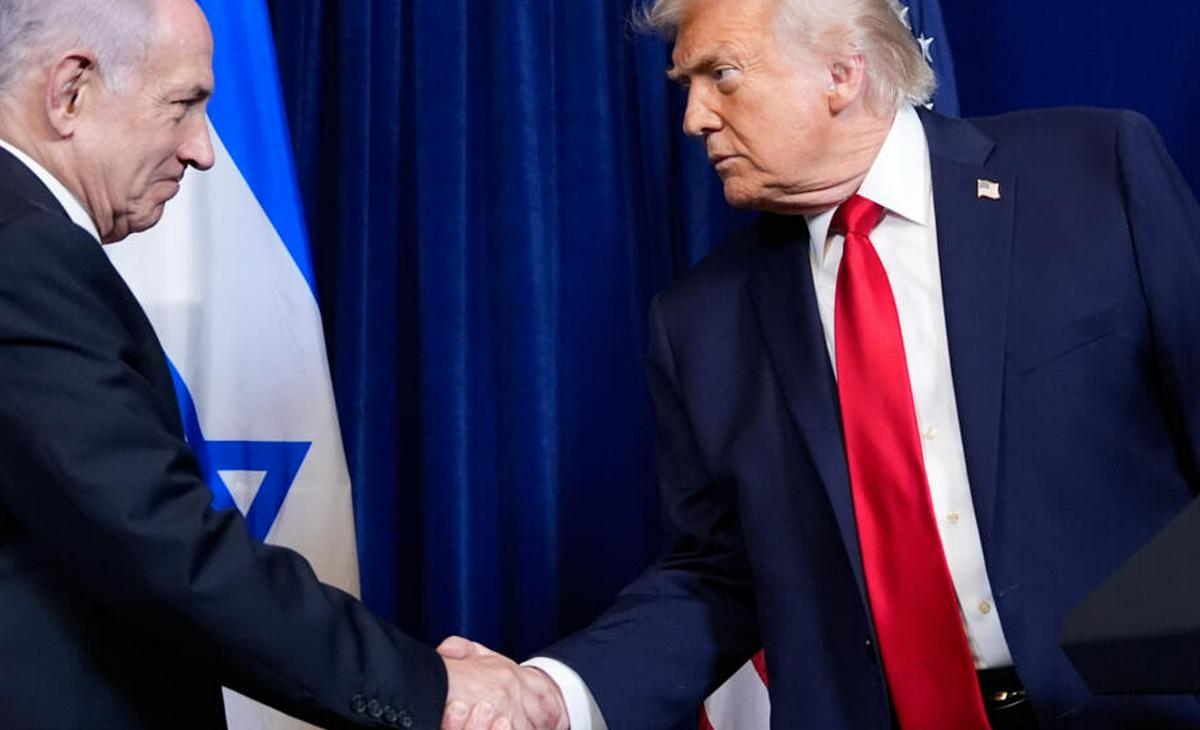
Unchecked, it accelerates geopolitical fractures: Trump's Netanyahu tensions (Pulzo reports opposing Iran goals) strain U.S.-Israel ties, while Iran's Vietnam analogies erode Western moral high ground. This isn't saber-rattling; it's perception engineering, where losing the narrative battle forfeits the war. For deeper insights into how do wars affect the stock market, explore ongoing analyses of defense tech and risk factors.
What People Are Saying
Social media amplifies the psychological fray. On X, @realDonaldTrump tweeted March 20: "Iran thinks they can threaten the world? Kharg Island gone in minutes if they try Hormuz games. NATO, step up or stay paper tigers!" garnering 2.1M likes, but drew fire from @NATOpress: "Allies committed to de-escalation; rhetoric helps no one" (confirmed official account).
Iranian IRGC-affiliated @IRIran_Military posted: "US 'winning' script = Vietnam 2.0. Tourists beware: Our blow will dizzy the arrogant," with 450K retweets. Critics like exiled journalist @SalehIRanalyst replied: "Khamenei’s words unite us at home but isolate globally—time for talks, not threats" (150K views).
Experts weigh in: CFR's @ValiNasr: "Trump's ally-shaming echoes 2018; risks coalition collapse without shared burden." Al Jazeera's liveblog quoted Rubio: "No truce till Iran backs off." On Reddit's r/geopolitics (top thread 78K upvotes): "Rhetoric > missiles now—psychological op to test red lines."
Average Iranians voice exhaustion: Tehran user @PersianMom2026: "Leaders talk big, we pay with empty shelves. Peace for our kids." U.S. vets on TikTok lament: "Heard this in Iraq—words lead to boots."
Catalyst AI Market Prediction: Insights on How Do Wars Affect the Stock Market
The World Now's Catalyst AI engine forecasts market ripples from this rhetoric-fueled tension, providing critical data on how do wars affect the stock market:
- OIL: + (medium confidence). Direct threats to Kharg Island (90% Iranian exports) and Qatar LNG (17% capacity risk) evoke 2019 Aramco surges (+15% daily). War premiums tighten balances; key risk: quick damage fixes limit duration.
- SPX: - (high confidence). Risk-off deleveraging hits importers amid Hormuz fears, mirroring Jan 2020 Soleimani drop (-2% weekly). Defense rotations may offset.
- BTC: Mixed (- medium on risk-off liquidations like 2022 Ukraine -10%, but + medium on treasury adoption). Key risk: geopolitics triggers cascades.
- EUR: - (medium). USD safe-haven surge pressures EURUSD (2020 Soleimani -1% in 48h); EU energy costs amplify.
- SOL: - (medium). High-beta crypto dips (2022 -15%); ETF inflows hedge.
- USD: + (medium). Haven bids like 2019 tensions (+1% DXY).
- JPY: Potential strength (low confidence) as USDJPY falls on risk-off.
Predictions powered by The World Now Catalyst Engine. Track real-time AI predictions for 28+ assets.
What to Watch: Looking Ahead
Continued rhetoric could pivot multiple ways by mid-2026. Diplomatic Breakthrough: China or Russia—emboldened by March 15 pacts—may mediate, forcing de-escalation via Hormuz guarantees, echoing 2023 Saudi-Iran deal. Watch Beijing summits post-April.
Accidental Escalation: High risk of naval misfire in Hormuz (RAND: 20% probability quarterly), prompting limited strikes—e.g., U.S. on Iranian fast boats—spiraling to South Pars reprisals.
Economic Ripples: Intensified words may spike oil +10-15%, per Catalyst AI, accelerating supply chains like Hong Kong's March pivot. Nations eye LNG diversification; volatility could realign ME alliances, sidelining U.S. if Europe balks.
By late 2026, unchecked bluster risks broader realignments: Iran-Russia axis strengthens, Gulf states hedge toward Moscow. Confirmed: U.S. intel eyes Iranian drills April 1. Unconfirmed: Netanyahu's solo strikes. Stakeholders—from Bushehr fishermen to Wall Street traders—hang on words that could ignite or cool the powder keg.
This is a developing story and will be updated as more information becomes available.