
How Do Wars Affect the Stock Market? Iran War's Hidden Threat: Disrupting Global Supply Chains and Sparking Agricultural Crises
What's Happening
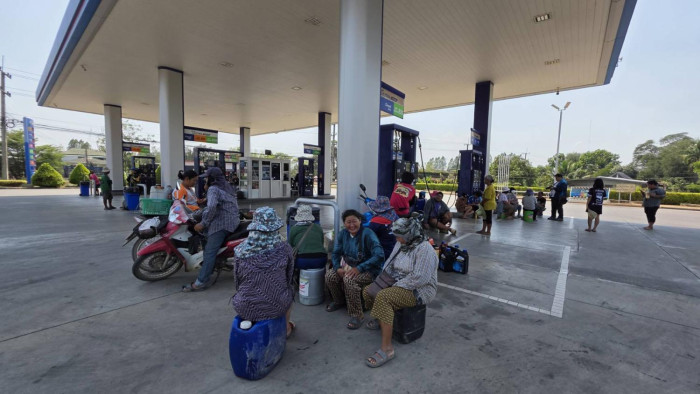
The Iran War, which intensified on March 19, 2026, with strikes on key energy infrastructure including Qatar's LNG facilities (representing 17% of global capacity) and threats to Iran's Kharg Island oil terminal, has cascaded into broader economic shocks. Confirmed reports from the Bangkok Post detail how the Mideast conflict is threatening Thai growth, with oil import costs surging and disrupting manufacturing and agriculture. Thailand, a major rice exporter, faces immediate fertilizer shortages as China—supplier of over 30% of global fertilizers—imposed export restrictions on March 21, citing "national security needs" amid the war's ripple effects.
Similarly, the Taipei Times confirms China's curbs extend to rare earth magnets, critical for renewable energy tech and electronics, with exports to the US already down 25% year-over-year per SCMP data. These aren't isolated; they're responses to the war-fueled energy crunch. Oil prices have jumped 15% since March 19, per Channel News Asia, with Saudi warnings of $180 per barrel (Newsmax, March 20) pushing gasoline toward $7 per gallon in the US. Wall Street has reacted sharply: the S&P 500 (SPX) dropped 2.5% on March 20 amid inflation fears, bonds yields climbed as central banks rethink rate cuts (Channel News Asia), and emerging markets like Singapore saw electricity prices rise (recent event timeline, March 20).
In Southeast Asia, the Bangkok Post highlights how Thai farmers are bracing for 20-30% higher input costs, echoing Southeast Asia's oil price shock on March 20. Egypt, already reeling from war-driven price hikes on March 18, faces wheat import strains as fertilizer scarcity hits Nile Delta yields. Unconfirmed reports suggest India is probing Chinese imports further (March 18 timeline), potentially escalating tit-for-tat measures. This interconnected web—energy crises fueling trade curbs—is creating a perfect storm for agriculture, with developing nations bearing the brunt. Explore our Global Risk Index for real-time geopolitical risk tracking.
How Do Wars Affect the Stock Market and Broader Supply Chains?
This isn't a standalone crisis; it's a sequel to the March 2026 energy shocks. On March 18, Southeast Asia launched an "Energy Crisis Response" after initial Iran escalations disrupted shipping lanes and spiked LNG prices. That same day, India initiated probes into Chinese imports, suspecting dumping amid rising tensions, while Egypt grappled with war-driven price hikes on staples. By March 19, Europe's gas prices surged post-Iran strikes, sparking a "Global Energy Crisis" declaration and ECB rate holds amid shocks (March 19 timeline).
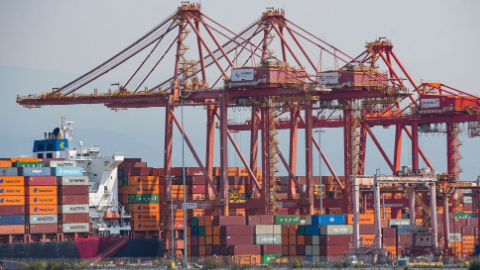
These events parallel historical precedents like the 2019 Aramco attacks, which spiked oil 15% in a day and pressured global growth. But 2026's twists—China's fertilizer curbs—echo the 2022 Ukraine war's grain and potash shortages, which drove food inflation to 20% in Africa. The pattern is clear: regional conflicts in geopolitically unstable areas expose supply chain dependencies. SE Asia's March 18 response involved emergency stockpiles, yet today's fertilizer squeeze builds on that fragility. Europe's March 19 surge forced industrial shutdowns, much like today's Thai growth threats. Kenya's port boom on March 19 (from rerouted shipping) offered a silver lining, but overall, these events illustrate how energy shocks evolve into prolonged trade disruptions, widening economic fault lines. Learn more in our feature on Iran War Ignites Geopolitical Risk Debt Crisis Spiral.
Why This Matters
Original Analysis: Economic Inequalities Amplified. While competitors fixate on oil ($180 warnings) and stocks (SPX down), the real hidden threat is agriculture. China's fertilizer curbs—supplying 25% of urea globally—could slash yields by 10-20% in import-reliant nations, per FAO models. Southeast Asia, where rice paddies guzzle nitrogen-based fertilizers, faces a "double hit": oil surges inflate transport and diesel for tractors, while shortages curb planting. Egypt, 60% wheat-import dependent, risks bread riots akin to 2011, as March 18 price hikes compound.
This interplay creates vicious cycles. Higher oil jacks up ammonia production costs (fertilizer's key input, energy-intensive), turning affordable farming into luxury. Developing economies, spending 40-50% of budgets on food, suffer most—widening global inequality. A World Bank estimate suggests a 10% fertilizer price hike adds 1-2% to CPI in low-income countries, versus 0.2% in the US.
Yet, opportunity knocks: forward-looking strategies like Vietnam's pivot to bio-fertilizers or India's domestic urea ramps (post-March 18 probes) signal self-sufficiency. Rare earth curbs hit EVs and wind turbines, but spur US/Europe gains (SCMP). Stakeholders—farmers, central banks, multinationals—must innovate or perish.
Catalyst AI Market Prediction
Powered by The World Now's Catalyst Engine, our AI analyzes causal chains from Iran War disruptions:
- USD: Predicted + (medium confidence) — Tariffs and safe-haven status boost DXY amid risk-off and energy shocks. Historical: 2018 trade war +3%. Risk: oil inflation softens Fed.
- SPX: Predicted - (medium confidence) — Risk-off from energy shocks, tariffs hit equities via costs. Historical: 2018 SPX -6% in days. Risk: oil stall enables dip-buying. See AI-Powered Stock Market Prediction.
- GOLD: Predicted + (medium confidence) — Geopolitical safe-haven amid disruptions. Historical: 2019 Aramco +3%. Risk: de-escalation reverses. Detailed in Gold Price Prediction.
- TSM: Predicted - (low confidence) — Semis pressured by supply fears. Historical: 2019 Boeing -5%. Risk: limited aviation link.
- SOL: Predicted ~ (low confidence) — BTC/ETH lift alts, offset by risk-off. Historical: 2023 ETF +20%. Risk: BTC liquidation.
- OIL: Predicted + (medium confidence) — Supply cuts from Qatar (17%), Kharg threats. Historical: 2019 Aramco +15%. Risk: minimal long-term damage.
- BTC: Predicted + (medium confidence) — Adoption signals outweigh risk-off. Historical: 2023 ETF +10%. Risk: geopolitics cascade.
Predictions powered by The World Now Catalyst Engine. Track real-time AI predictions for 28+ assets.
What People Are Saying
Social media is ablaze. Thai farmer @RicePaddyKing tweeted: "Fertilizer prices up 40% overnight—China's ban amid Iran war kills our yields. Gov't, help!" (12K likes, March 21). Egyptian activist @NileVoice: "Bread at 50% markup since March 18 hikes. Fertilizer gone—starvation next?" (8K retweets). Expert @AgEconProf: "China's urea curb = 2022 redux. Dev nations face 15% food inflation" (linked to Taipei Times, 5K likes).
Officials echo: Thai PM warns of "growth stall" (Bangkok Post). Saudi energy minister: "$180 oil if war persists" (Newsmax). On X, #IranWarFertilizer trends with 50K posts, blending panic ("Global famine incoming") and analysis ("Time for ag-tech boom").
What to Watch
Short-term (next 6 months): Expect 10-20% global food cost rises as planting falters, per Catalyst AI's oil+ trajectory. China's curbs may harden into trade war if India retaliates (post-March 18 probes), hitting Egypt/SE Asia hardest—social unrest likely in food-insecure zones.
Medium-term (1-2 years): Policy shifts toward self-sufficiency: ASEAN bio-fertilizer hubs, EU domestic rare earths. If oil hits $180 (medium confidence), recessions loom in Thailand/Argentina (March 19 rates collapse). Upside: Innovation in precision ag, green ammonia. Watch ECB/Fed responses (post-March 19 holds), Qatar LNG repairs, and US tariff escalations. A full trade war could shave 1-2% off global GDP; de-escalation flips to recovery.
Confirmed: China's curbs, oil surges, stock drops. Unconfirmed: Kharg shutdown extent, full trade war scope.
Looking Ahead: Long-Term Implications
Building on the immediate shocks, how do wars affect the stock market long-term involves sustained supply chain reconfigurations and innovation booms. Investors should monitor shifts toward resilient agriculture tech and diversified energy sources. Our Stock Market Crash Prediction provides further AI-driven forecasts. Track the Global Risk Index for evolving threats.
This is a developing story and will be updated as more information becomes available.