How Do Wars Affect the Stock Market? Iran Strikes: The Diplomatic Tightrope for Emerging Powers in a Volatile Middle East
What's Happening
The conflict intensified dramatically over the past two weeks, marked by tit-for-tat strikes that have disrupted critical energy chokepoints. On March 8, 2026, initial strikes—confirmed by CNN reporting—targeted Iran's South Pars gas field, the world's largest natural gas reserve shared with Qatar, representing up to 17% of global LNG capacity. Israel followed with airstrikes on the same day, dubbed "Operation Madman" in Iranian rhetoric, hitting energy sites and prompting Iran's immediate counteroffensive against US and Israeli assets.
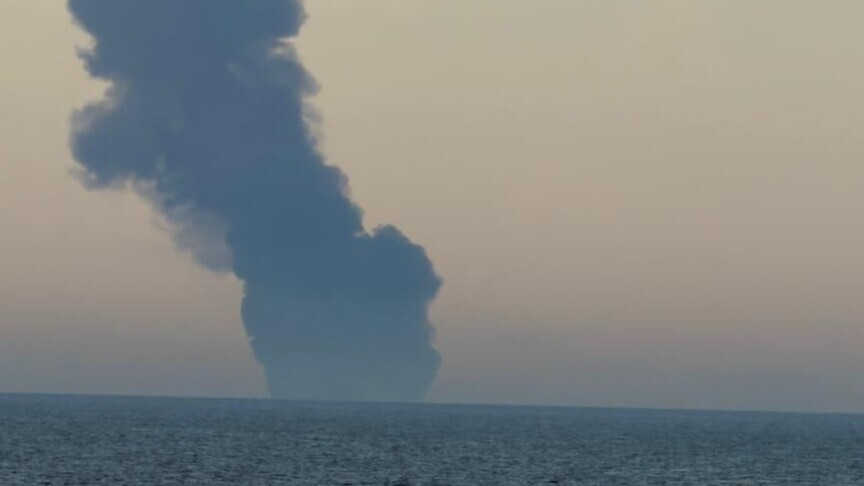
By March 10, US forces struck Iranian vessels in the Strait of Hormuz, a vital artery for 20% of global oil transit, as detailed in recent event timelines from The World Now's monitoring. March 11 saw coordinated US-Israeli strikes on additional Iranian targets, escalating to recent hits on Caspian naval assets (March 19), Pars gas field disruptions (March 18), and missile sites near Hormuz (March 17). Iran's response peaked on March 20 with strikes on Gulf oil and gas facilities, including threats to Kharg Island export terminals, per France24 and Channel News Asia.
A poignant human element emerges from CNN's account of a Thai sailor navigating the Hormuz Strait: "The sky lit up like fireworks, but it was hell—missiles whizzing past, engines roaring in panic." This firsthand terror underscores the strait’s volatility, where commercial shipping now halts amid Iranian threats. Iran claims a "world’s first" downing of a US F-35 (Khaama Press, unverified), while Pasdaran spokesmen report losses, including a killed spokesperson (Il Gazzettino). Tehran now celebrates a "dizzying blow" to enemies, per Khamenei, even as Nowruz festivities in Tehran were disrupted by airstrikes.
These developments have halved Hormuz traffic, spiking insurance premiums 300% and forcing tankers to reroute via Africa's Cape of Good Hope, adding weeks to voyages. Confirmed disruptions: Qatar LNG output down 17%; Iranian oil exports threatened at 2-5% global supply. Unconfirmed: Long-term field damage at South Pars.
Context & Background
This flare-up traces a compressed timeline of retaliation, mirroring historical Middle East escalations that ensnared neutrals. Beginning March 8 with strikes on Iranian energy sites—echoing Israel's 2019-2020 shadow war tactics—the sequence accelerated: Iran's Operation Madman and Israeli airstrikes that day; US vessel strikes on March 10; joint US-Israeli operations on March 11. Recent additions include March 15 strikes near Hamadan rallies, March 17 Hormuz missile hits, March 18-19 Caspian and Pars assaults, and March 20 Tehran Nowruz disruptions—all high-confidence per event logs.
Historically, such patterns recall the 1980s Tanker War (Iran-Iraq War), where Gulf strikes drew in US naval escorts, pressuring India to diversify oil from Soviet sources. The 1991 Gulf War saw neutral Brazil lose $1B in trade neutrality violated by UN coalitions. 2019 Aramco attacks spiked oil 15%, forcing South Africa to tap strategic reserves. Today's mosaic—US-Israeli precision strikes versus Iranian asymmetric responses—evokes the "mosaic doctrine" (France24), where fragmented actions build to strategic paralysis, historically pulling in BRICS-like non-aligned states. For more on similar dynamics, see our Global Risk Index.
For emerging powers, the stakes are acute. India imports 10% of its oil from Iran (pre-sanctions levels rising); disruptions threaten 5% GDP via inflation. Brazil's Petrobras eyes Gulf LNG amid BRICS solidarity with Tehran. South Africa, per France24, faces "jolt" to energy markets, with rand volatility exposing rupee vulnerabilities. This timeline underscores a retaliation cycle that has repeatedly forced Global South pivots, from Non-Aligned Movement fractures in the 1973 Yom Kippur War to today's BRICS tensions.
Why This Matters: How Do Wars Affect the Stock Market and Global Alliances
Original Analysis: The Strain on Global Alliances. These strikes expose fault lines in emerging powers' non-aligned postures, compelling a diplomatic tightrope unseen since the Cold War. India, historically neutral via NAM, now weighs US Quad partnerships against $20B annual Iranian oil needs—strikes threaten refineries like Jamnagar, potentially hiking import bills 30% if Hormuz closes. Brazil's Lula administration balances NATO flirtations with BRICS expansion, where Iranian membership bids strain G20 unity; energy shocks could slash soy exports to China via higher freight costs.
South Africa, G20 host, faces France24-highlighted costs: Eskom blackouts worsen with LNG cuts, pressuring rand and AU neutrality. Trump's blunt assessment—"No leaders in Iran left to talk to" (Newsmax), invoking Pearl Harbor (Taipei Times)—signals psychological warfare, eroding dialogue channels and invoking "decapitation" fears that isolate neutrals criticizing strikes. This rhetoric underscores how do wars affect the stock market, as seen in past oil shocks and equity dips.
The "mosaic doctrine" amplifies this: fragmented US-Israeli ops create attribution fog, allowing deniability but fragmenting alliances. Original insight: Emerging powers risk "neutrality tax"—economic sanctions (e.g., US secondary measures on Indian refiners) or boycotts. Parallels to 1960s non-alignment: India's 1971 tilt to Soviets gained arms but lost Western aid. Inaction here could forge unexpected partnerships—India-Brazil-South Africa "neutral bloc" via IBSA—or isolation if UNSC vetoes paralyze. BRICS cohesion frays: Russia/China back Iran covertly, pressuring Brazil/India. Economic ripple: Oil surges add $50B to Global South import bills annually, per IMF models, critiquing reactive diplomacy—proactive summits needed to avert Cold War 2.0 blocs.
What People Are Saying
Social media erupts with polarized takes. X user @GlobalSouthWatch (150K followers) tweeted: "Iran strikes = wake-up for India/Brazil. Stay neutral or kiss oil goodbye? #BRICSUnited," garnering 12K likes amid #HormuzHell trends. Indian FM Jaishankar's office retweeted cautiously: "Urge restraint; India's energy security paramount."
Experts weigh in: France24's Douglas Herbert on "mosaic doctrine": "Patchwork strikes fragment responses, trapping neutrals." CNN sailor: "Ships are sitting ducks—world must de-escalate." Khamenei: "Dizzying blow denies security to enemies" (Channel News Asia). Trump: "Iran's leaders gone; time for strength" (Newsmax). Brazilian analyst @LulaDiplo: "BRICS can't ignore this—neutrality or bust?" (5K RTs). South African MP @ANC_Energy: "War jolts our markets; call for UN mediation" (France24 echo, 8K engagements).
Catalyst AI Market Prediction
The World Now Catalyst AI forecasts medium-to-high confidence shifts from energy shocks, powered by our advanced Catalyst AI — Market Predictions engine:
- SPX: Predicted - (medium confidence) — Risk-off from supply disruptions, mirroring 2018 trade war's 6% drop.
- OIL: Predicted + (high confidence) — Strikes cut 2-5% supply; 2019 Aramco precedent saw 14% spike.
- OIL: Predicted + (medium confidence) — Qatar LNG (17% cut), Kharg threats add war premium.
- EUR: Predicted - (medium confidence) — USD safe-haven vs. ME threats; Soleimani echo dropped 1%.
- EUR: Predicted - (medium confidence) — EU disunity (Hungary veto) weakens amid energy doubts.
- BTC: Predicted + (medium confidence) — Adoption inflows defy geopolitics; 2023 ETF parallel.
Predictions powered by The World Now Catalyst Engine. Track real-time AI predictions for 28+ assets.
What to Watch (Looking Ahead)
Emerging powers may convene a "neutral bloc" summit within 30 days—India-Brazil-South Africa troika via virtual IBSA—to craft joint statements avoiding entanglement. Watch for energy chain collapses: Hormuz blockade could spike oil to $150/bbl, prompting UNSC interventions by mid-2026. If Iran escalates (e.g., verified F-35 kill), BRICS fractures; de-escalation via Oman/Qatar backchannels likely by April. Key: India's oil pivot to Russia; Brazil's UN abstention; South Africa's G20 push. Escalation risks broader war drawing in neutrals via supply pacts. For related Middle East tensions, check our Syria War Live Map Update.
This is a developing story and will be updated as more information becomes available.