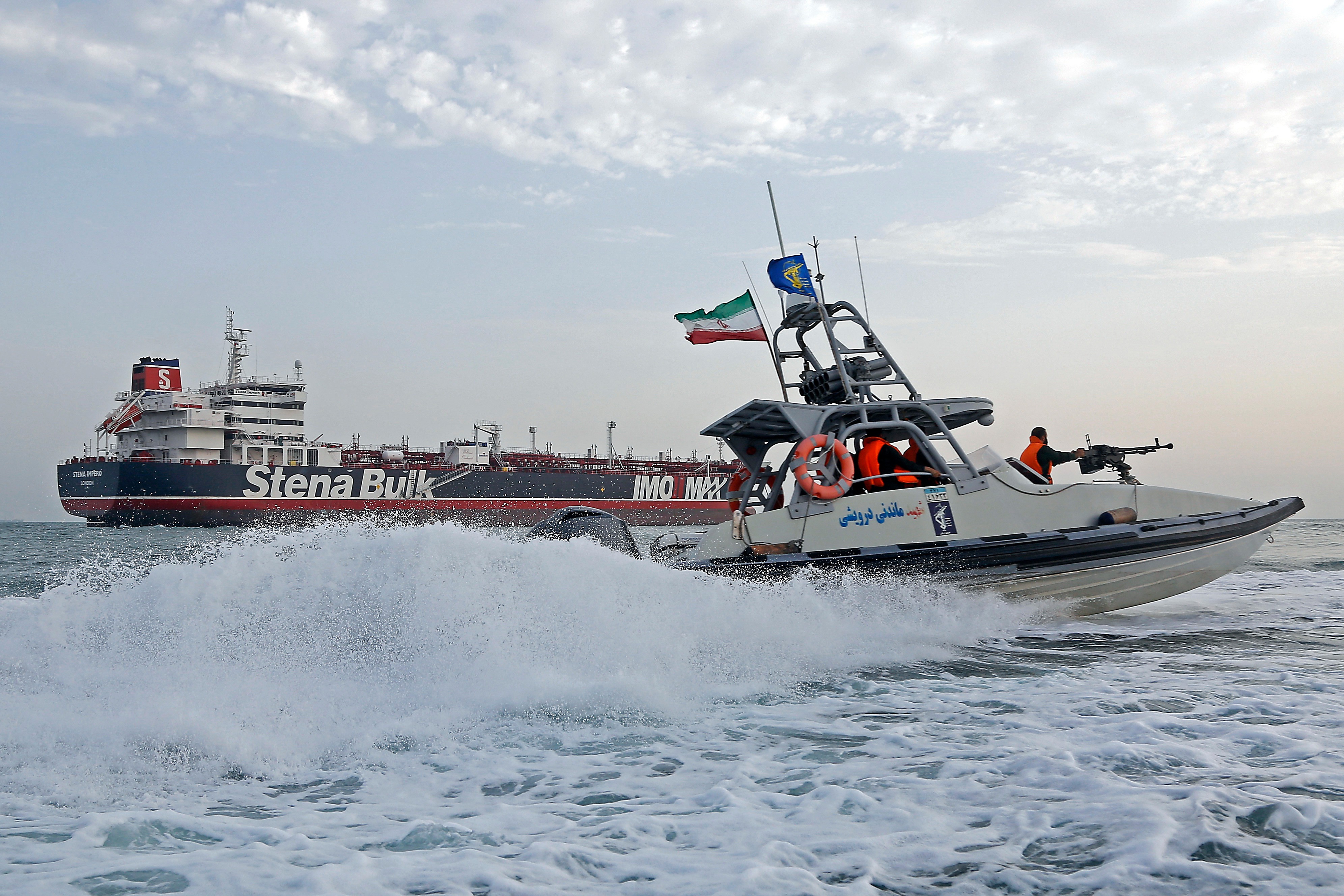

US Strike on Iran Repels Attack During Hormuz Transit
The US military destroyed six Iranian small boats and intercepted cruise missiles and drones during an operation to reopen the Strait of Hormuz, marking a significant escalation in regional tensions.[1][2] This US strike on Iran forces occurred as American warships transited the vital waterway, repelling attacks amid efforts to restore maritime traffic.[1][5]
US Military Action in the Strait of Hormuz
US forces executed a decisive response to Iranian threats in the Strait of Hormuz, destroying six Iranian small boats and neutralizing incoming cruise missiles and drones launched against warships and commercial vessels.[1][2] The operation centered on two US Navy destroyers, the USS Truxtun and USS Mason, which successfully transited the strait while fending off the assaults.[2][5] According to US Central Command, these Iranian Revolutionary Guard fast boats were targeted and sunk during the initial phase of the mission, preventing any interference with the passage.[2]
The interceptions were critical, as the cruise missiles and drones posed direct threats to both military and civilian shipping in the narrow waterway, which handles a significant portion of global oil exports.[1] CBS News, citing US defense officials, reported that the destroyers repelled the drone and missile attacks without sustaining damage, allowing them to complete the transit unscathed.[5] This action underscores the US military's capability to counter asymmetric threats from speedboats and unmanned systems, a tactic Iran has employed in previous confrontations in the region.[1][2] The destruction of the boats and projectiles ensured the immediate safety of the convoy, demonstrating precision in defensive operations under fire.[5]
Context of the Operation
The US operation, dubbed "Project Freedom" by President Donald Trump, aimed to reopen the Strait of Hormuz to maritime traffic after weeks of disruptions caused by Iranian actions.[2] Tehran had sought to thwart these efforts by deploying small boats, missiles, and drones, viewing the transit as a provocation amid broader hostilities.[1] The two lead destroyers, USS Truxtun and USS Mason, spearheaded the first day of the initiative, navigating the strait despite coordinated Iranian attacks.[2][5]
This confrontation followed simmering tensions, with Iran claiming prior strikes on US vessels, setting the stage for the US response.[3] The strategic chokepoint's closure had halted trade, prompting the US to assert freedom of navigation through force if necessary.[1][2] US officials described the Iranian moves as deliberate attempts to block shipping, necessitating the boat destructions and interceptions to restore access.[1] The operation's timing aligned with heightened regional alerts, where Iranian forces had positioned assets to challenge any US-led transits.[2]
Regional Impacts and Incidents
A drone attack linked to Iran triggered a fire at a UAE port in the Fujairah Oil Industry Zone, injuring three Indian nationals and damaging a Korean ship in the strait.[3][4] Emirati officials attributed the strike to Iran, exacerbating fears of broader disruptions to energy infrastructure.[4] This incident compounded the chaos, as shipping groups reported that transit through the strait remained "still not possible," stranding vessels and cargo.[3]
Oil prices surged in response to these Iranian-linked attacks and military clashes, with Brent crude rising 6% to $114.44 per barrel and WTI settling 4% higher at $106.42.[4] The Fujairah strike on the oil storage facility heightened market anxieties over potential supply interruptions from the Hormuz area, a conduit for about 20% of global oil trade.[4] The injuries to the Indian nationals and damage to the Korean vessel highlighted the human and commercial toll, as emergency responses focused on containing the blaze and assessing structural impacts.[3] These events rippled through regional logistics, delaying shipments and prompting insurers to reassess risks in the Persian Gulf.[3][4]
Statements and Warnings from Officials
US President Donald Trump issued stark warnings to Iranian forces, stating they would be "blown off the face of the earth" if they attempted to intercept US vessels in the strait.[3] This rhetoric came after reports of the boat destructions and interceptions, framing the US actions as a necessary defense against aggression.[3] On the Iranian side, officials claimed they had struck a US warship, though US accounts confirmed no hits on their ships.[3]
Iran also indicated it was reviewing a US ceasefire proposal amid the ongoing hostilities, suggesting a potential diplomatic off-ramp despite the military exchanges.[3] These declarations from both sides underscored the high stakes, with Trump emphasizing resolve to protect navigation rights and Iran positioning itself as responding to perceived threats.[3] Pakistani officials, including Finance Minister Dar and Senator Cooper, discussed the situation, reflecting wider international concern over escalation.[3]
Current Status of the Strait
Shipping disruptions persist in the Strait of Hormuz, with groups stating that safe transit is not yet feasible following the clashes.[3] The US operation succeeded in passing the destroyers but left the waterway tense, as Iranian threats continue to loom over commercial traffic.[1][2][3] Diplomatic channels show Iran examining the US ceasefire offer, which could influence future access, though no resolution has been announced.[3]
The combination of destroyed boats, intercepted projectiles, and peripheral attacks like the UAE drone strike has kept the strait in a precarious state, with vessels advised to avoid the area.[3] US Central Command's description of the repelled assaults indicates ongoing vigilance, but full reopening requires sustained security.[2]
What to watch next: Monitor Iran's response to the US ceasefire proposal under review and any further attempts to challenge transits, as shipping groups warn of continued impossibilities in strait passage amid Trump's escalation warnings.[3]