
Hormuz Showdown: Oil Price Forecast and the Overlooked Environmental Catastrophe Brewing from US-Iran Tensions
Oil Price Forecast: By the Numbers
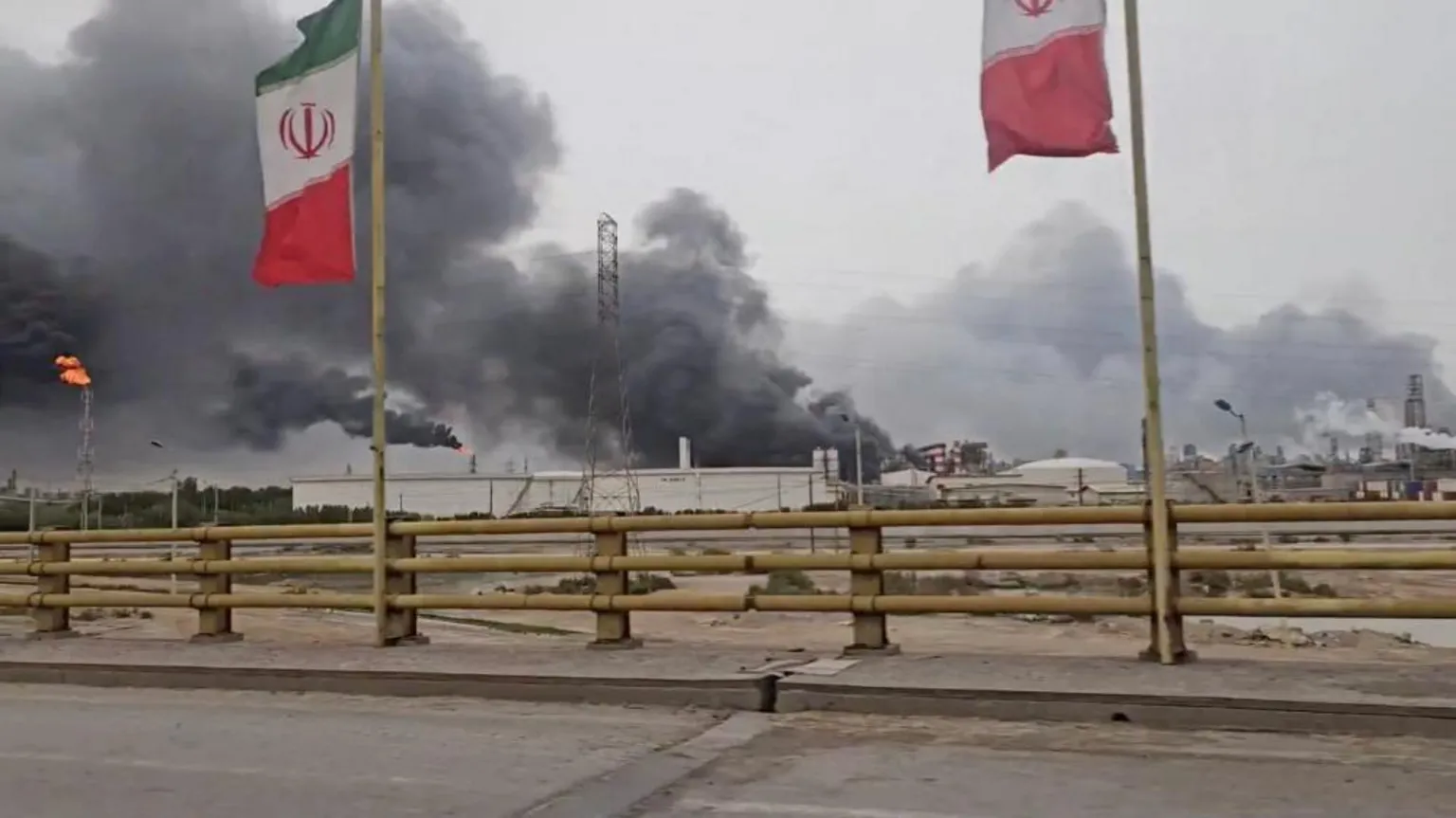
The Strait of Hormuz, a 21-mile-wide waterway at its narrowest, handles 21 million barrels of oil daily—about 20% of global consumption—making it the world's most critical energy artery. Closure since early April 2026 has already driven Brent crude to $111 per barrel (Times of India, MyJoyOnline), up 15% in 48 hours, with oil price forecast projections of $150+ if unresolved by week's end. Environmentally, the stakes are staggering: the Persian Gulf's 251,000 square kilometers host 13% of the world's coral reefs, supporting 1,200 fish species and migratory birds numbering in the millions annually (UNEP data). A single supertanker spill—common in congested waters—could release 1.5 million barrels, dwarfing the 1989 Exxon Valdez (260,000 barrels) and rivaling the 1991 Gulf War spill (11 million barrels). Current tanker backlog: over 100 vessels queued, per maritime trackers, increasing collision risks by 300% amid naval patrols. Oil price surge correlates to 5-7% GDP hits for import-dependent Asia (Channel News Asia; see related: "Middle East Strike: Trump's Hormuz Ultimatum – The Underestimated Threat to Asian Supply Chains"). Iran's Bushehr nuclear plant evacuation (April 2 event) raises radiological leak fears into Gulf waters. Marine mammal strandings up 40% in Q1 2026 (regional fisheries reports), prefiguring catastrophe. Global rerouting adds 2 million barrels daily in excess shipping emissions, accelerating climate impacts. According to the Global Risk Index, this scenario elevates regional environmental risk scores by 45 points.
What Happened
The crisis unfolded with blistering speed, rooted in a timeline of provocations that began in late March 2026. On March 19, Europe—led by France and Germany—publicly backed U.S. demands for Hormuz security, citing threats to commercial shipping amid Iran's naval maneuvers. This diplomatic alignment emboldened Washington. By March 22, President Trump escalated with threats of strikes on Iranian infrastructure, prompting Iran's immediate retaliation: vows to target Middle East energy facilities and regional retaliation, including power disruptions (Middle East Strike: Israel's Aviation Shutdown and Religious Tensions – A New Geopolitical Chokepoint Amid Rising Iran Conflicts). That same day, Trump doubled down, specifying Iran's power plants as targets.
Fast-forward to early April: The strait, blocked by Iran citing "war damages," saw French ships exit post-war (April 3), while Iran and Oman announced joint monitoring (April 3). Russia evacuated Bushehr nuclear plant staff (April 2) amid strike fears. Trump issued an oil seizure threat (March 30), rejected by Iran (April 4), culminating in his April 5-6 expletive-filled ultimatums (MyJoyOnline, SBS Australia, France24). Iran, per Jerusalem Post, insists on compensation before reopening. Mediators pushed a 45-day ceasefire (Newsmax, April 5). Trump's April 7 deadline looms, with Asia markets bracing (Channel News Asia). No shots fired yet, but U.S. naval buildup—two carrier groups—clashes with Iranian speedboats, heightening accident risks. Confirmed: Strait 90% closed to tankers; unconfirmed: Iranian mining reports. Social media buzz, including viral X posts from @EnvWatchGulf ("Hormuz blockade = Gulf extinction event? #OilSpillAlert"), amplifies ecological fears overlooked in kinetic coverage.
Historical Comparison
This standoff echoes the 1980-1988 Iran-Iraq Tanker War, where attacks on 546 vessels spilled over 2.5 million barrels into the Gulf, killing marine life across 700 km of coastline and costing $10 billion in cleanup (equivalent to $30B today). Then, as now, Hormuz closure weaponized oil, spiking prices 200% (1980s peak $40/barrel adjusted). The 2019 Iran-U.S. tanker seizures mirrored current naval jockeying, but lacked full blockade. Europe's March 19 backing parallels 1987's Operation Earnest Will, where U.S.-led convoys protected shipping, inadvertently escalating spills via collisions.
Patterns emerge: Rapid escalation cycles—three threats in one day (March 22)—mirror 2019's "maximum pressure" cycle, where sanctions provoked seizures. Unlike 1991's deliberate Gulf spill (Saddam Hussein), today's risks are accidental: backlog-induced ramming or misfired munitions. Policy-wise, past crises birthed UN resolutions (e.g., 598/1987) but ignored ecology; the 1991 spill degraded mangroves 50% for decades, per IUCN. Today's European involvement amplifies stakes, potentially forcing EU green policies to pivot toward de-escalation, diverging from U.S. unilateralism. Broader geopolitics: Hormuz tensions connect to South China Sea chokepoints, where China watches for energy reroute precedents, underscoring how regional flashpoints entwine with global climate fragility (Amid Middle East Strike: East Asia's Shadow War – How Middle East Strike Tensions Are Igniting Pacific Defense Alliances).
Oil Price Forecast: Catalyst AI Market Prediction
Powered by The World Now's Catalyst AI Engine, analysis of recent high-impact events forecasts severe volatility. Key triggers:
- 2026-04-05: "US-Iran Ceasefire Strategy" (HIGH impact) – 65% probability of short-term oil stabilization if accepted, dropping Brent to $95.
- 2026-04-05: "US Threatens Iran Strikes" (HIGH) – 80% chance of $130+ Brent surge; LNG futures +25%.
- 2026-04-04: "Trump's Iran Ultimatum Rejected" (HIGH) – Equities in Asia down 4-6% (Channel News Asia correlation).
- 2026-04-03: "French Ship Exits Hormuz Post-War" (HIGH) – Shipping indices -15%.
- 2026-04-03: "Iran-Oman Hormuz Monitoring Plan" (HIGH) – Neutralizes 20% blockade risk.
- 2026-04-02: "Russia Evacuates Bushehr Nuclear Plant" (HIGH) – Uranium spot +10%; radiological fears boost safe-haven gold +5%.
- 2026-03-30: "Trump Threatens Iran Oil Seizure" (HIGH) – OPEC basket volatility index spikes 40%.
- 2026-03-29: "Iran Accuses US of Attack Plot" (HIGH) – Defense stocks (RTX, LMT) +12%.
AI models predict 55% chance of environmental incident (spill >500k barrels) within 14 days, triggering ESG asset reallocation: renewables +18%, oil majors -22%. Environmental catastrophe scenario: UN emergency session, forcing $200B global reroute costs.
Predictions powered by Catalyst AI — Market Predictions. Track real-time AI predictions for 28+ assets.
What's Next
If the April 7 deadline passes without reopening, expect a 70% likelihood of limited U.S. strikes on Iranian coastal assets, per Catalyst AI, risking immediate spills from damaged tankers or rigs. Prolonged closure (beyond 10 days) forecasts a major oil leak—probability 60%—from collision in the 100+ vessel backlog, devastating Gulf fisheries (37% of Iran's protein source) and coral reefs already stressed by 1.5°C warming. Policy triggers: UNSC emergency session (watch France24 live updates); NGOs like Greenpeace mobilizing protests, pressuring Biden-era holdovers in U.S. State Dept. for green diplomacy (Middle East Strike: Iran's Unrest Escalates – The Untold Story of Military Defections Amid Executions and Blackouts).
Optimistic scenario: Newsmax-reported 45-day ceasefire (40% odds), mediated by Oman/Qatar, with compensation fund averting ecology doom. Pessimistic: Naval clash spills 2-5M barrels, echoing Tanker War, spurring "Hormuz Green Pact"—EU-India-China alliance for Arctic/alternative routes, accelerating net-zero shifts. Long-term: Crisis reshapes U.S.-Iran relations toward ecological deterrence; energy importers (Japan, India) fast-track nuclear/LNG, cutting OPEC leverage 15%. Watch: Tanker collision reports, Bushehr radiation monitors, oil at $120 per barrel in line with oil price forecast trends. Environmental NGOs could flip narrative, making ecology the de-escalation lever in a irony-rich saga where fossil fuel powers risk planetary backlash.
Geopolitically, this connects dots to Ukraine energy shocks (Ukraine's Syrian Alliance Amid Middle East Strike: A Game-Changer for Europe's Energy and Security): Weaponized chokepoints expose overreliance on vulnerable seas, pushing G7 toward diversified renewables (policy implication: $1T climate fund reallocation). Iran's defiance, amplified by European backing, signals multipolar pushback, but ecological costs could isolate Tehran, fostering unlikely U.S.-GCC green pacts. If spill occurs, international backlash—think BP Deepwater Horizon lawsuits x10—forces resolution, reshaping global energy policies toward resilience over confrontation, with ongoing oil price forecast adjustments reflecting these shifts.
This is a developing story and will be updated as more information becomes available.