
Guatemala Earthquake of Magnitude 7.4 Triggers Low-Level Tsunami Alert and Dozens of Aftershocks
The Guatemala earthquake of magnitude 7.4 struck off the Pacific coast near the Guatemala-Mexico border on July 17, 2026, at 8:48 a.m. local time, triggering a low-level tsunami alert, more than 40 aftershocks, and emergency responses with no fatalities reported. [5]
Event Overview and Seismic Details
The Guatemala earthquake registered magnitude 7.4 with its epicenter in the Pacific Ocean off the coasts of Chiapas according to the Instituto Nacional de Sismología, Vulcanología, Meteorología e Hidrología. [2] The event occurred at 8:48 a.m. local time at a shallow depth of 10 km. [4] The location placed the quake in the subduction zone between the Cocos and Caribbean plates. [1] The focal mechanism corresponded to a thrust fault, consistent with an interplate subduction event at shallow depth. [1] The shallow depth contributed to the event being felt across multiple departments with greater intensity near Retalhuleu, San Marcos and Mazatenango. [4]
Sequence of Seismic Activity
A magnitude 5.0 foreshock occurred at 7:20 a.m. in the same Pacific region. [4] The mainshock followed at 8:48 a.m. [2] An initial report placed a magnitude 5.6 event in Quetzaltenango at 8:47 a.m., but manual review corrected the location and magnitude to the 7.4 mainshock in the Pacific. [2] By mid-afternoon more than 40 aftershocks had been recorded with magnitudes ranging from 3.4 to 6.1. [4] These aftershocks are expected to continue yet decrease over time as stresses redistribute around the rupture area. [1]
A magnitude 7.4 earthquake struck off Guatemala's Pacific coast near the Mexico border on July 17 2026. — Source: gdelt
Tsunami Alert and Coastal Precautions
The Pacific Tsunami Warning Center issued a low-level tsunami threat for Guatemala following the event. [2] Expected sea-level variations were described as not greater than 100 cm with increased surf and current strength. [2] Officials advised residents to stay away from the coastline until further notice, with emphasis on the departments of San Marcos, Suchitepéquez, Escuintla, Santa Rosa and Retalhuleu and particularly the municipality of Champerico. [2] The Coordinadora Nacional para la Reducción de Desastres recommended precautions for vessels and coastal populations regarding possible changes in sea level and current force. [2]
Impacts and Emergency Response in Guatemala
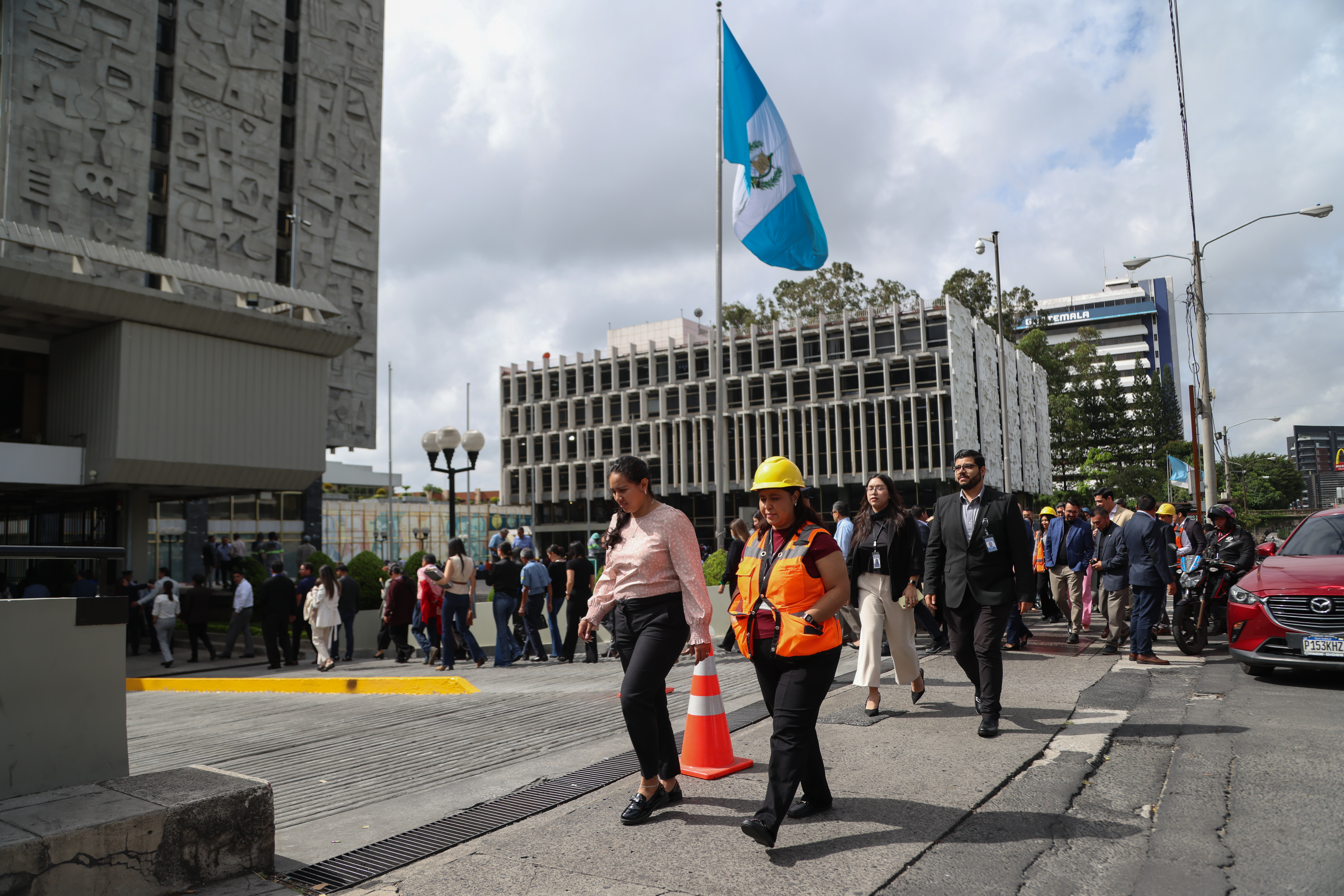
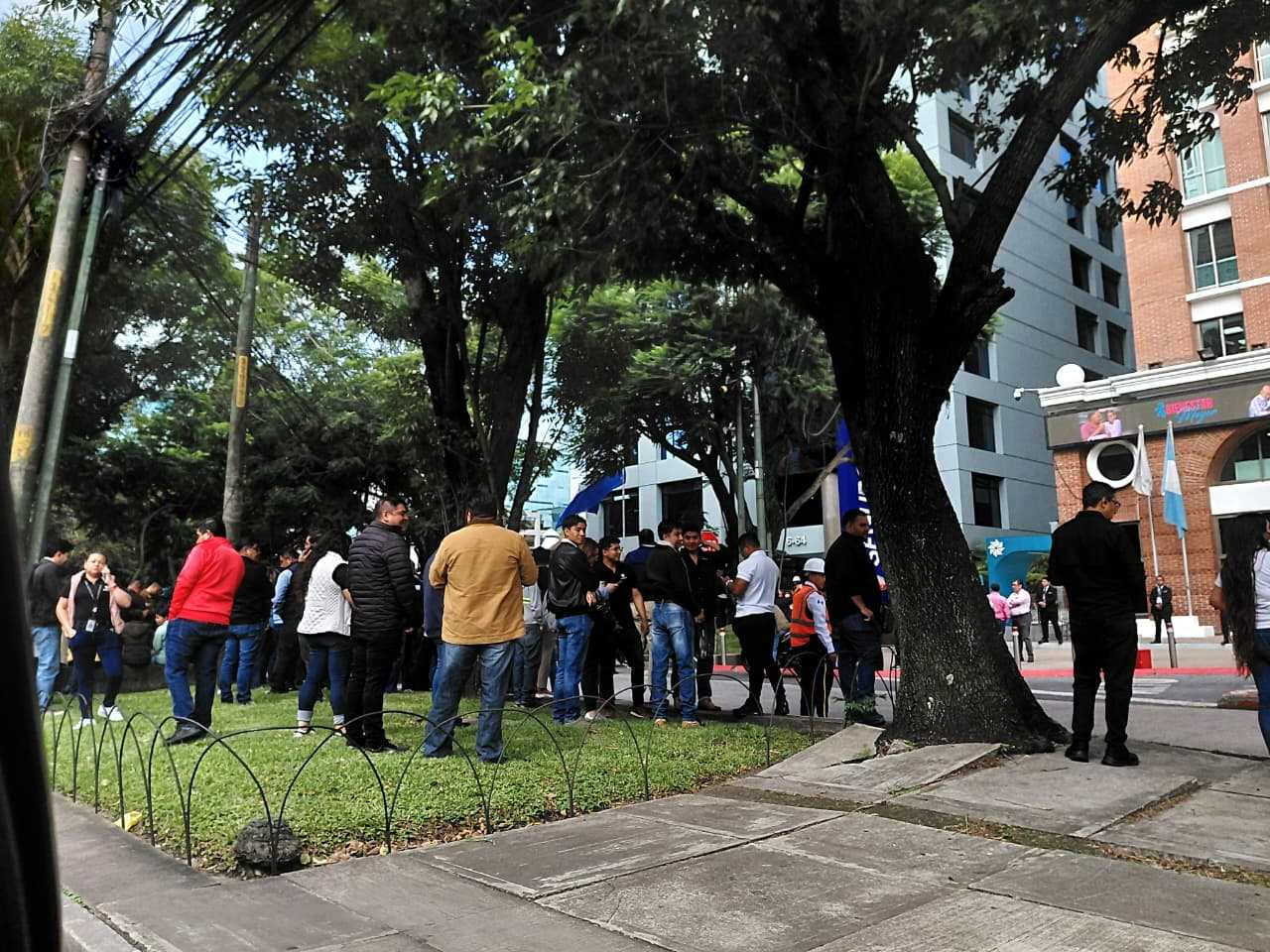
Guatemalan authorities recorded 58 emergencies linked to the quake. [5] One person required hospitalization and 11 people were evacuated. [5] Landslides blocked three roads while structural damage affected 14 schools and 12 public buildings. [5] The national response plan activated an orange institutional alert. [5] No fatalities were confirmed. [5]
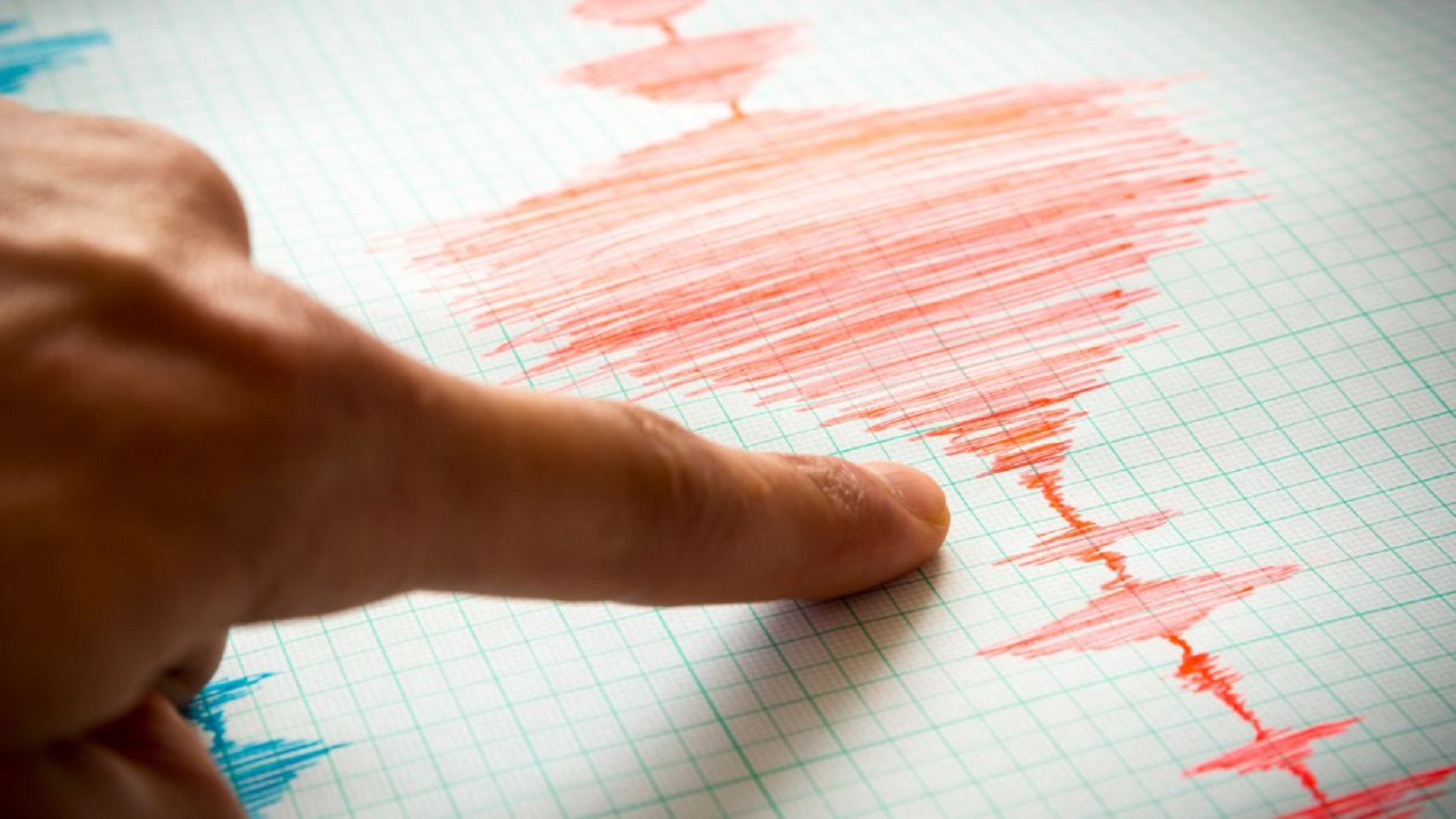
A magnitude 7.4 earthquake struck off the Pacific coast near the Guatemala-Mexico border. — Source: gdelt
Regional Effects in Mexico
The earthquake was also felt in southern Mexico, particularly Chiapas. [3] The Servicio Sismológico Nacional recorded the mainshock at 08:48 local time southwest of Ciudad Hidalgo. [3] A related magnitude 6.8 event was reported in the same zone and felt in Oaxaca with moderate intensity. [3] State protection authorities in Chiapas deployed personnel for monitoring and damage assessments. [3] The Secretaría de Marina reported no serious maritime impacts, though some beach water-level increases of up to half a meter were anticipated. [3] Officials urged the public to stay away from beaches temporarily. [3]
Expert Context on Subduction Zone and Aftershocks
The event took place along the convergent boundary where the Cocos plate subducts beneath the Caribbean plate. [1] Geologist Helén Morán of the Servicio Sismológico de Guatemala noted that the combination of location, depth and thrust mechanism indicates an interplate subduction event. [1] Such events occur at the contact surface between the two plates and represent the most common seismic activity in the region. [1] Aftershocks result from normal stress redistribution following a large mainshock and are expected to diminish over hours or days. [1] Departments most likely to continue feeling activity include San Marcos, Quetzaltenango, Retalhuleu, Suchitepéquez and possibly Totonicapán. [1]
What to watch next: Officials continue to monitor aftershocks that are expected to decrease in frequency while coastal advisories remain in effect until sea conditions stabilize.





:strip_icc():format(jpeg)/kly-media-production/medias/9375633/original/041819800_1792194157-1001768681.jpg)