
Growing Tensions in Pakistan: Concerns Over Chinese Military Deployment in Balochistan
Recent warnings from Baloch leader Mir Yar Baloch about a potential Chinese military deployment in Balochistan have raised alarms over the implications for regional stability. This development comes amid an increasingly complex geopolitical landscape, as Pakistan simultaneously endorses China's role in mediating a past India-Pakistan conflict.
On January 2, 2026, Mir Yar Baloch cautioned that the deepening ties between Pakistan and China could lead to a significant military presence in Balochistan, a region already fraught with unrest and separatist sentiments. Balochistan has long been a hotbed for resistance against the Pakistani state, with various groups advocating for greater autonomy and rights. Baloch's call for India to support the resistance reflects a growing anxiety over the perceived encroachment of Chinese influence in the area.
The relationship between Pakistan and China has historically been characterized by strong economic and military ties, particularly through initiatives like the China-Pakistan Economic Corridor (CPEC). However, the prospect of a military deployment complicates matters, potentially exacerbating tensions not only within Pakistan but also with neighboring India, which has long viewed Chinese expansionism with suspicion.
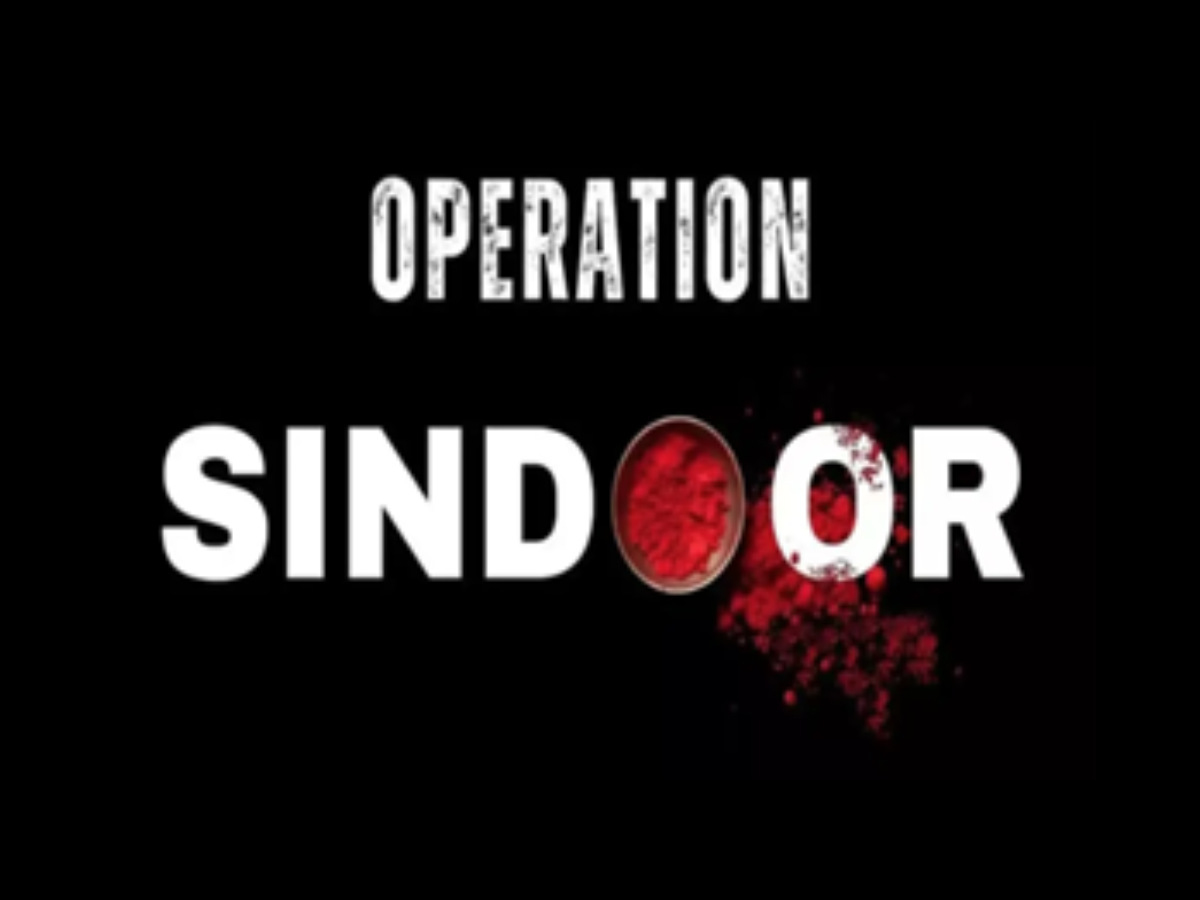
In a related development, Pakistan's foreign office has recently endorsed China's claim of mediation during the May 2025 conflict between India and Pakistan, known as Operation Sindoor. This endorsement, made on the same day as Baloch's warning, underscores a growing alignment between Islamabad and Beijing. Pakistani officials stated that Chinese leaders played a role in de-escalating the conflict by engaging with both nations, a claim that contrasts sharply with India's assertion that the pause in hostilities was solely due to a request from Pakistan's Director General of Military Operations (DGMO).
This dual narrative raises questions about Pakistan's strategic intentions. While the country seeks to deepen its partnership with China, the implications of a military deployment in Balochistan could provoke backlash from both Baloch nationalist movements and India, which has historically been critical of Chinese military activities in the region.
Background
Balochistan, Pakistan's largest province by area, has been the center of a long-standing insurgency led by various Baloch nationalist groups. These groups demand greater political autonomy and control over the region's natural resources. The potential for a Chinese military presence could be perceived as an extension of Pakistan's efforts to strengthen its security apparatus in the region, but it also risks inflaming existing tensions with Baloch insurgents.
The historical context of Pakistan's relationship with China is marked by mutual interests in countering Indian influence in the region. China's increasing role as a mediator in South Asian conflicts, as evidenced by its recent involvement in the India-Pakistan tensions, indicates a broader strategy of establishing itself as a key power broker in the area.
Conclusion
As Pakistan navigates its complex geopolitical landscape, the warnings from Baloch leader Mir Yar Baloch and the endorsement of China's mediation efforts highlight the delicate balance the country must maintain. The potential deployment of Chinese military forces in Balochistan could have far-reaching implications for regional stability, particularly in light of the ongoing tensions with India and the long-standing insurgency in the province. Observers will be watching closely how these developments unfold and impact the dynamics of power in South Asia.