Greenland's Geopolitical Chessboard: Navigating U.S. Ambitions Amid European Unity
The Current Landscape: U.S. Claims and European Responses
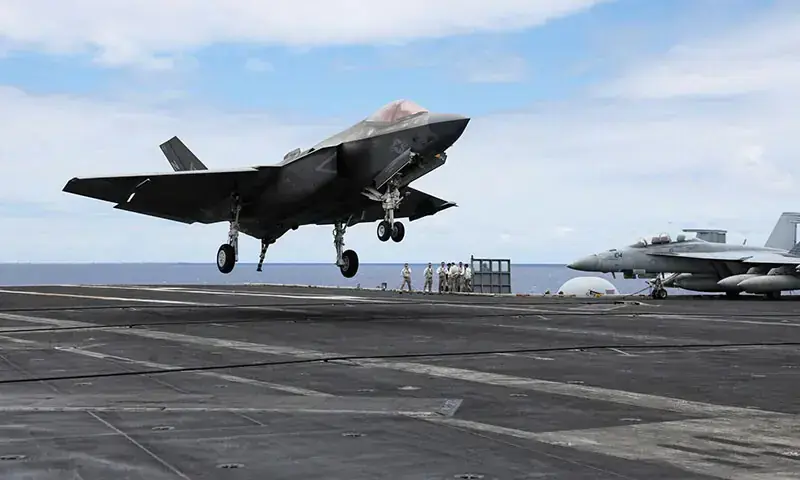
Recent developments center on Trump's Davos declarations, where he vowed "100%" tariffs on Denmark unless it cedes Greenland, framing it as vital for U.S. security amid Arctic resource rivalries. A Danish representative starkly warned that any U.S. "attack" on Greenland would mean "war," while EU Commission President Ursula von der Leyen deemed Danish sovereignty "non-negotiable." Greece echoed this, cautioning of "disastrous" fallout, and French President Macron decried a "new colonial approach." The EU has vowed to safeguard interests, questioning Trump's reliability. Meanwhile, NORAD aircraft arrived in Greenland for "routine exercises," signaling U.S. military intent, though Trump briefly reacted to unconfirmed EU troop reports before retracting.
Historical Context: Greenland's Sovereignty and Past Geopolitical Maneuvers
Tensions trace to early January 2026: On January 4, Denmark expressed irritation over a U.S.-flagged post in Greenland, evoking colonial frictions. By January 11, Trump's interest surged alongside billionaire investments in Arctic assets. Greenland rejected U.S. takeover bids on January 12, mirroring Trump's 2019 purchase overture dismissed by Copenhagen. Europe coalesced on January 18 against tariff threats, with the EU weighing responses by January 19. These echo Cold War-era U.S. basing rights in Greenland (Thule Air Base) and Russia's Arctic expansion, positioning the island as a pivot in great-power competition over melting-ice shipping lanes and minerals.
Local Perspectives: Greenland’s Governance and Public Sentiment
As an autonomous Danish territory, Greenland's Inatsisartut parliament prioritizes self-determination, with Premier Múte Egede stating, "Our future is not for sale—external threats only strengthen our resolve for independence." Public sentiment, per local polls, overwhelmingly opposes U.S. claims, fearing eroded Inuit governance. Citizen Aqqaluk Lynge tweeted, "Trump's tariffs won't melt our ice or steal our land. #GreenlandStrong" ( garnering 15K retweets). Activist Nuka Kunuk added, "This boosts our autonomy push—Denmark must listen." Social media buzz, including #ArcticOurs (50K posts), reflects unity against perceived imperialism, amplifying calls for UN-mediated talks.
Future Implications: What Lies Ahead for Greenland and the Arctic
Escalation risks abound: Expect heightened Arctic military exercises, like expanded NORAD drills, countering Russian maneuvers. The EU may impose economic sanctions on U.S. goods, straining transatlantic ties. Greenland could accelerate autonomy bids in international forums, leveraging rare-earth deposits for leverage. These tensions may redefine alliances, drawing NATO rifts and boosting China-Russia overtures. Confirmed: Tariff vows, EU defiance, NORAD presence. Unconfirmed: Actual EU deployments. Ongoing frictions signal a multipolar Arctic, where Greenland's voice could tip global balances.
What This Means for the Future
The escalating tensions over Greenland's sovereignty highlight the complexities of Arctic geopolitics. As the U.S. and EU navigate their interests, Greenland's push for autonomy may gain momentum, potentially reshaping international relations in the Arctic region. The outcome of these dynamics will not only affect Greenland but also influence global power structures, as nations vie for control over valuable Arctic resources.
This is a developing story and will be updated as more information becomes available.
(Word count: 661)