Greek Farmers Reinstate Highway Blockades Near Athens Amid Escalating Protests Over EU Subsidies

Latest from X
Greek Farmers Reinstate Highway Blockades Near Athens Amid Escalating Protests Over EU Subsidies
Athens, Greece – January 7, 2026 – Farmers in Greece have intensified road blockades on key highways leading to Athens, causing significant traffic disruptions, as they demand delayed European Union subsidies and address broader agricultural grievances. The actions, which restarted on January 4, coincide with a nationwide open-ended strike by open-air market producers and vendors, signaling growing unrest in the country's agricultural sector.
The farmer protests reignited over the weekend, with blockades set up on major routes toward the capital, including highways in central Greece. According to reports from local media, these actions have led to delays for commuters and truck drivers, exacerbating logistical challenges during the winter period. Posts on X from Kathimerini English Edition highlighted "traffic disruptions as farmers reinstate blockades" on January 4 and noted on January 7 that "farmers [are] escalating roadblock protests, demand[ing] meeting with PM," reflecting real-time updates on the mounting pressure.
The farmers' primary demands center on overdue EU subsidies, which they claim have been delayed due to bureaucratic hurdles and changes in the Common Agricultural Policy (CAP). Additional grievances include rising production costs, such as fertilizers and energy, as well as insufficient government support amid adverse weather and market fluctuations. These blockades mark a resumption of tactics used in previous mobilizations, underscoring persistent frustrations.
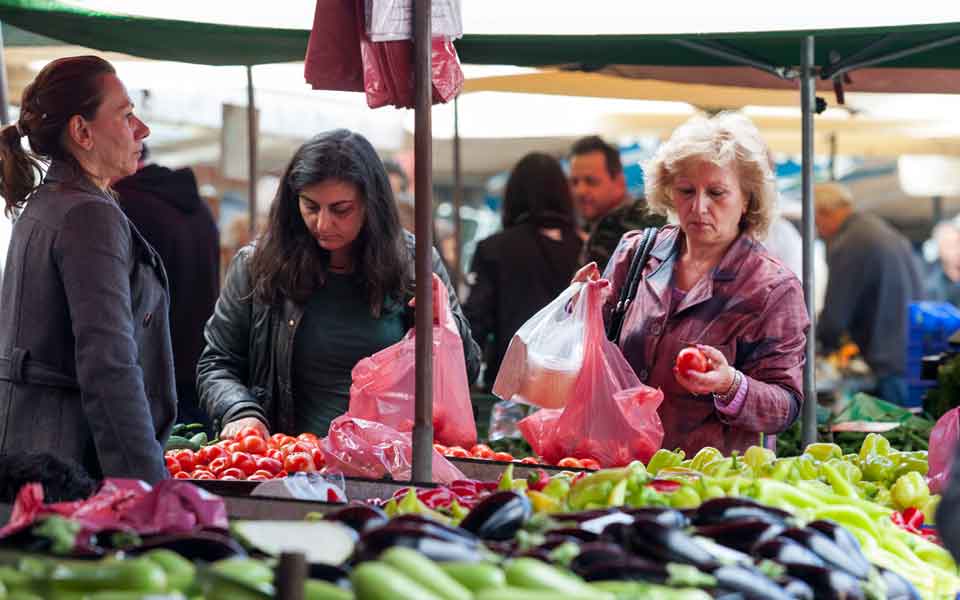
In a parallel development, producers and vendors at Greece's open-air markets launched an indefinite strike on Wednesday, January 7. Demonstrators gathered in central Athens outside the Ministry of Development and Finance, protesting similar issues affecting small-scale farmers and traders. The action has halted operations at street markets across the country, where fresh produce is typically sold directly to consumers. This strike amplifies the farmers' campaign, creating a united front among agricultural stakeholders.
Background on Greek Agricultural Protests
Greece's farming community has a long history of using blockades and strikes to voice discontent. In early 2024, farmers across the European Union, including in Greece, staged widespread protests against EU environmental regulations under the Green Deal and reductions in subsidies. Greek producers blocked roads in Thessaly and northern regions, demanding compensation for flood damages from Storm Daniel in 2023 and relief from high input costs exacerbated by the Russia-Ukraine war.
By 2025, tensions persisted as the EU's CAP reforms—intended to promote sustainability—were criticized for disadvantaging smaller farms. In Greece, where agriculture employs around 10% of the workforce and contributes about 4% to GDP, issues like drought, inflation, and subsidy delays have hit hard. Thessaly, Greece's agricultural breadbasket, remains recovering from devastating floods, with farmers reporting losses in the billions of euros.
Government responses have included ad-hoc aid packages, such as €100 million in 2024 for flood-hit areas, but protesters argue these fall short. Prime Minister Kyriakos Mitsotakis' administration has engaged in dialogue, yet the latest demands for a direct meeting highlight stalled negotiations. Posts on X indicate sentiment among observers that the protests are gaining momentum, with calls for government concessions.
Broader Impact and Government Response
The combined actions are disrupting supply chains at a critical time. Highway blockades have forced rerouting of goods transport, potentially raising food prices, while the market strike limits access to affordable produce in urban areas. Authorities have deployed police to manage traffic and ensure selective passage for essentials, but no major clashes have been reported.
The Greek government has not yet issued an official statement on the escalation as of January 7 evening, but past patterns suggest offers of talks or interim payments. EU officials, meanwhile, have reaffirmed commitments to CAP funds, with Greece allocated approximately €20 billion for 2021-2027, though disbursement timelines remain contentious.
Outlook
As the protests enter their fifth day, the open-ended nature of both the blockades and market strike raises concerns over prolonged disruptions. Agricultural unions have vowed to maintain pressure until subsidies are released and a prime ministerial audience is granted. With winter harvests approaching and EU budget discussions ongoing, resolution could hinge on swift political action.
Economists warn that extended unrest could strain Greece's post-pandemic recovery, already challenged by inflation and energy costs. International observers, including EU agricultural commissioners, are monitoring the situation amid similar farmer mobilizations in neighboring countries like Poland and Romania.
This wave of civil unrest underscores deeper structural challenges in Europe's agricultural sector, where climate policies clash with economic realities for producers. Stakeholders on both sides express hope for dialogue to avert escalation.
(Word count: 682)
Track this story live
Original Sources
- •Open-air market strike begins across Greece— ekathimerini
- •Traffic disruptions as farmers reinstate blockades— ekathimerini *(linked via post on X)*
- •Farmers escalating roadblock protests, demand meeting with PM— ekathimerini *(linked via post on X)*
Editorial process: This article was synthesized from the original sources cited above using The World Now's AI editorial system, with byline accountability from our editorial team. We grade every story for source grounding, factual coherence, and on-topic match before publication. Read more about our editorial standards and contributors. Spot something inaccurate? Let us know.
Last updated: January 17, 2026






