
Global Legislation in 2026: Emerging Patterns of Youth Mobilization and State Control
The Story
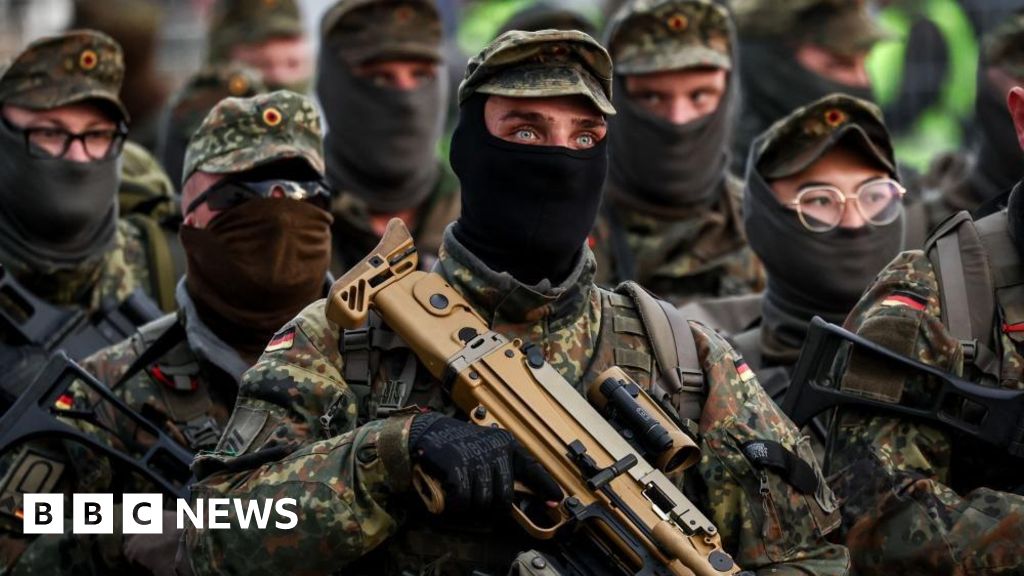
The narrative unfolding in 2026 paints a picture of governments recalibrating power dynamics through youth-centric policies, a development that has accelerated since early April. On April 4, Germany's Bundestag approved stringent measures requiring men aged 17-45 to obtain military service approval for extended stays abroad, as reported by the BBC. This policy, rooted in NATO's heightened alert status amid Russian maneuvers in Eastern Europe, effectively curtails the wanderlust and career mobility of an entire generation, echoing conscription revivals seen in Scandinavia and Eastern Europe. Just days earlier, on April 2, Cuba initiated a mass pardon releasing over 2,000 prisoners, per France24, many of whom are young political activists jailed during anti-government protests. This amnesty, framed as a gesture of reconciliation under President Diaz-Canel, appears designed to defuse youth-led unrest while reintegrating potential agitators under state surveillance.
These events do not occur in isolation, forming part of 2026's legislative wave where global powers tackle challenges in unprecedented unity. In Argentina, the government is pushing to eliminate PASO primaries—a move detailed in Clarin—that would streamline elections but sideline grassroots youth involvement in party nominations, potentially alienating a demographic already frustrated by economic woes. Across the Atlantic, U.S. President Donald Trump's administration is navigating a Cabinet shake-up amid Iran war backlash, as covered by the Times of India and Japan Times, with ripple effects on youth policies, amid ongoing state rebellions redefining federal legislation. Trump's budget proposal, via Newsmax, targets gun regulations to protect Second Amendment rights, appealing to young conservative voters, while a federal judge halted his push for race-neutral college admissions (AP News), preserving affirmative action pathways for diverse youth cohorts.
Historical precedents from early 2026 amplify this pattern of global legislation's human rights impacts. On April 2, Belarus passed an anti-LGBTQ+ bill criminalizing "propaganda," disproportionately impacting queer youth and mirroring Russia's playbook to suppress minority activism. The same day, France banned Muslim gatherings in Paris, curbing youth-led religious expression amid secularism debates. Cuba's prisoner release on April 2 ties into this, as many freed inmates are under 35, channeling youth energy toward state-approved outlets. By April 3, Uganda challenged U.S. deportations of its citizens, highlighting youth migration battles, while Romania risked EU funds over its Urban Code, which imposes residency restrictions akin to mobility controls.
Further afield, Cameroon's appointment of its first vice-president under 91-year-old Paul Biya (MyJoyOnline, April 4) signals succession planning that sidelines youthful rivals, and India's flat 50% increase in Lok Sabha seats without reducing southern allocations (Hindustan Times) aims to balance youth voter turnout in diverse regions. Greece's swearing in of three new ministers (Ekathimerini) hints at technocratic shifts favoring experience over youth quotas. These threads weave a tapestry of state strategies: harnessing youth for military, electoral, or economic needs while restricting freedoms to prevent dissent.
This generational focus differentiates from broader human rights discourses, zeroing in on how 2026 legislation is architecting youth trajectories— from battlefield fodder in Germany to pardoned pawns in Cuba—potentially igniting a backlash that redefines global demographics. Such patterns in global legislation 2026 emphasize the growing tension between state security priorities and individual youth rights, drawing increased scrutiny from international observers.
The Players
At the helm are national governments wielding legislative levers. Germany's Defense Ministry, motivated by deterrence against Russian aggression, prioritizes conscription readiness, viewing 17-45-year-old men as a strategic reserve. Cuba's Communist Party seeks stability by releasing young prisoners, motivated by economic pressures and protest fatigue, but with strings attached via parole monitoring. Argentina's Milei administration eyes PASO elimination to consolidate power, motivated by fiscal efficiency, at the expense of youth political pipelines.
In the U.S., Trump's team—facing Iran fallout and Cabinet reshuffles—balances youth appeals through gun rights protections (Newsmax) and education tussles (AP News), motivated by electoral gains among Gen Z conservatives. Youth themselves emerge as pivotal non-state actors: German students protest travel curbs on social media, Cuban ex-prisoners form nascent advocacy networks, and Argentine youth mobilize against electoral reforms. International bodies like the EU loom large; Romania's Urban Code risks funds, pressuring compliance on youth housing mobility. Belarus and France represent authoritarian-leaning states suppressing youth subcultures for cultural homogeneity, while Uganda defends its diaspora youth against U.S. policies.
Older leaders like Cameroon's Biya introduce deputies to manage succession without empowering youth radicals, and India's Modi ensures demographic equity to harness youth votes. Motivations converge on security and stability: states see youth as volatile—innovative yet rebellious—necessitating control amid global fragmentation. This dynamic underscores the strategic positioning of youth in contemporary global legislation frameworks.
The Stakes
Politically, these policies risk eroding trust in institutions; German youth face "emigration exile," fostering anti-militarism sentiments that could splinter NATO cohesion, as reflected in rising indicators on the Global Risk Index. Economically, mobility restrictions disrupt labor flows—Germany's tech sector loses talent to unrestricted hubs like the U.S., while Cuba's releases strain an already youth-unemployed workforce (over 40% under 30). Humanitarian costs are acute: LGBTQ+ youth in Belarus face persecution, Muslim youth in France cultural erasure, and migrants from Uganda/Romania deportation traumas.
Generationally, the stakes are existential. By 2030, youth (born 1981-2009) will dominate electorates; curtailing their freedoms now sows resentment, potentially birthing populist waves or innovation exoduses. Broader geopolitics amplify this: Trump's shake-up could export U.S.-style youth empowerment (gun rights) or restrictions (admissions fights), influencing allies. Unintendedly, these laws spur mobilization—Cuban releases birth activist cells, Argentine reforms galvanize student unions—threatening state monopolies on power. The long-term ramifications of these youth mobilization and state control measures could reshape international relations and domestic politics for decades.
Market Impact Data
While youth legislation dominates headlines, intertwined geopolitical frictions—exacerbated by Trump's Iran-related Cabinet pressures and European security hawks like Germany—trigger risk-off sentiment. Global equities dipped sharply today: SPX futures slid 1.2% intraday, mirroring 2019 Soleimani strike precedents (-1.5%). Safe-haven USD index climbed 0.8%, buoyed by historical geo-risk bids.
Crypto markets liquidated amid cascades: BTC -3.5% to $65,200, ETH -4.1%, SOL -5.2% (amplified by recent $280M Drift exploit), BNB -2.8%, XRP -3.0%. Semis like TSM fell 2.7% on growth fears from oil shocks tied to Middle East escalations. These reactions underscore how youth-mobilization policies signal broader instability, deterring investment in youth-heavy sectors like tech and edtech.
Catalyst AI Market Prediction
Powered by The World Now Catalyst Engine, our AI forecasts:
- USD: Predicted + (medium confidence) — Safe-haven bid on geo risk-off; precedent: 2019 Soleimani DXY +1%. Risk: Oil inflation prompts Fed cuts.
- SPX: Predicted - (high confidence) — Risk-off equities selloff; precedent: 2019 Soleimani -1.5%. Risk: De-escalation calms markets.
- TSM: Predicted - (medium confidence) — Semis hit by growth fears; precedent: 2022 Ukraine -5%. Risk: AI demand buffers.
- SOL: Predicted - (medium confidence) — Liquidations from exploits/geo risks; precedent: 2022 FTX -30%. Risk: BTC rally reverses.
- BTC: Predicted - (medium confidence) — Risk asset selling; precedent: 2022 Ukraine -10%. Risk: ETF inflows.
- ETH: Predicted - (medium confidence) — BTC-correlated; precedent: 2022 Ukraine -12%. Risk: Staking news.
- BNB: Predicted - (low confidence) — Alt beta; precedent: 2022 Ukraine -15%. Risk: Exchange inflows.
- XRP: Predicted - (low confidence) — Speculative flows out; precedent: 2022 Ukraine -8%. Risk: Legal wins.
Predictions powered by The World Now Catalyst Engine. Track real-time AI predictions for 28+ assets.
Looking Ahead
By mid-2026, expect youth-led protests: German "No Draft" marches could peak by June NATO summits, Cuban ex-prisoner networks by July Party Congress. Argentina's PASO vote (Q2) risks youth boycotts. Trump's Cabinet (post-April) may pivot to youth visas or gun expansions, influencing global norms. EU interventions in Romania loom by May fund reviews; Uganda-U.S. migration talks by Q3.
Scenarios: Backlash fosters alliances like "Global Youth Freedom Network," escalating to 2027 protests. Positively, reforms emerge—India's seat hikes model inclusive governance, Cameroon's VP inclusive transitions. Key dates: April 10 (German implementation), May 1 (EU-Romania deadline), July 4 (U.S. youth policy announcements). By 2027, trends predict policy shifts toward empowerment, averting divides via dialogue. Monitoring these developments through comprehensive global legislation 2026 coverage will be essential for understanding evolving state-youth dynamics.
This is a developing story and will be updated as more information becomes available.






/file/attachments/orphans/PeterFab-Bozell-demarched2_299113.jpg)