
Global Human Rights Backlash: Legislation on Gender Reforms and Security Overhauls
Introduction
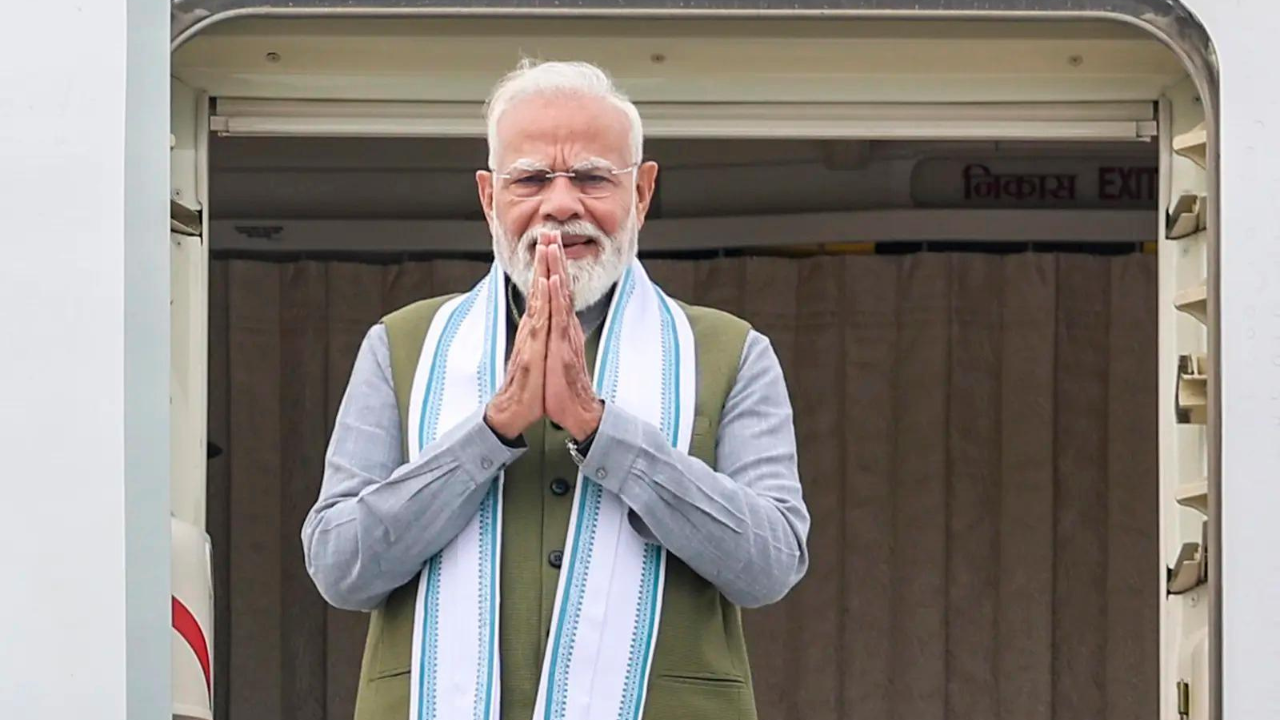
Global legislative changes in 2026, including a U.S. appeals court upholding West Virginia's Medicaid ban on gender surgeries and India's push for a Uniform Civil Code (UCC) to address gender bias, are sparking a widespread human rights backlash. These moves, combined with extensions of U.S. spy powers and India's social media regulations, highlight a trend where governments favor security and fiscal priorities over individual rights, affecting transgender access, free speech, and more.
Key Legislative Developments and Implications
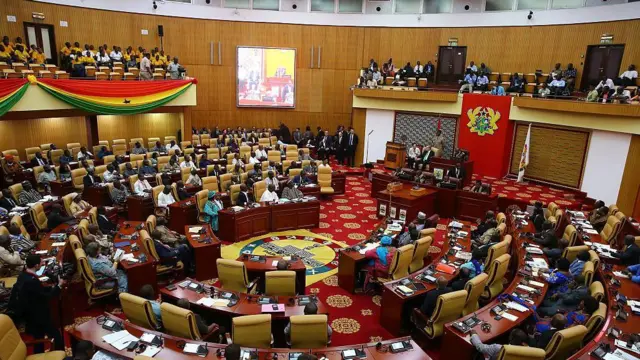
Recent actions show a pattern of prioritizing state control. In West Virginia, the appeals court decision on March 10, 2026, denied Medicaid coverage for gender surgeries, limiting transgender healthcare amid fiscal debates. India's UCC aims to eliminate gender biases in laws but raises concerns about cultural erosion. Meanwhile, U.S. House GOP's extension of FISA Section 702 enhances surveillance, while India's fact-check units could curb social media freedoms. Ghana's probe into GH¢68.7 billion arrears links fiscal policy to rights enforcement, illustrating a global shift toward conservative governance that frames personal rights as security risks.
Future Implications and What This Means
Looking ahead to 2027, these trends may lead to UN resolutions challenging restrictive laws and increased global protests. What this means for individuals is a potential erosion of civil liberties, where gender reforms and security policies intersect, fostering division. Balanced governance is essential to prevent escalation, with coalitions possibly emerging to advocate for inclusive policies and protect human rights amid rising authoritarian patterns.
This is a developing story and will be updated as more information becomes available. (Word count: 602)