
Global Geopolitics sees US risk total defeat in Iran conflict, per expert analysis.
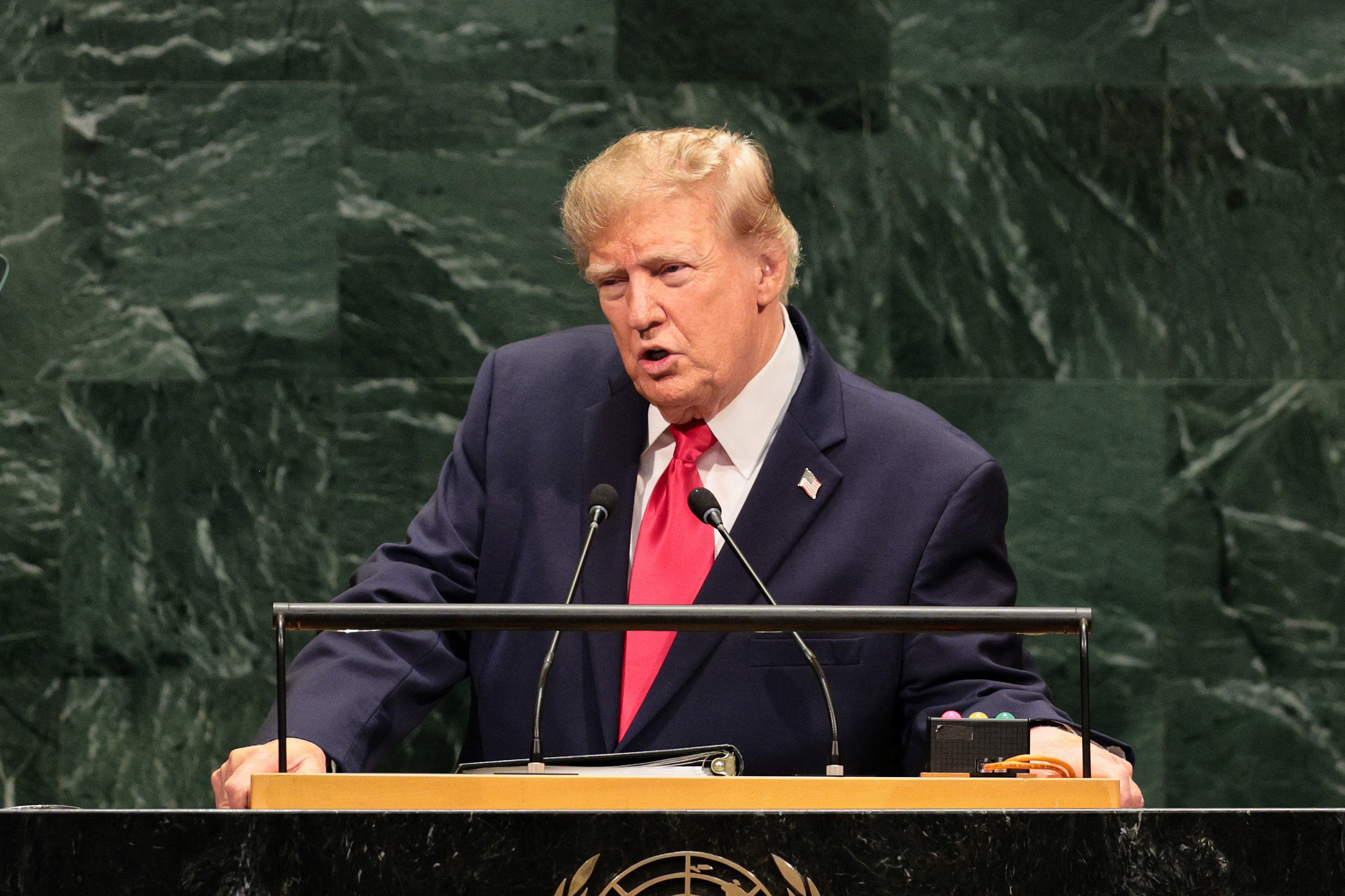
In the landscape of geopolitics global, influential neoconservative Robert Kagan has issued a stark warning that the United States is heading toward "checkmate" and "total defeat" in its conflict with Iran.[3] This assessment comes amid heightened tensions in the Middle East, where Iran's chief negotiator has urged Washington to accept Tehran's latest peace plan to avert the collapse of the regional truce.[4] These developments underscore broader shifts, including calls for reforming the global financial architecture by Nigerian President Bola Tinubu at the Africa Forward Summit[1], Australia's mining giants facilitating China's yuan globalization through financing and settlements[2], and India's launch of a $1.5 billion insurance pool for ships navigating international routes, including war zones.[5]
Overview of Global Geopolitical Tensions
The current environment of geopolitics global reveals interconnected risks spanning military conflicts, economic realignments, and strategic maritime initiatives. At the forefront are escalating frictions in the Middle East, where a war triggered by US-Israeli strikes on Iran more than two months ago has destabilized the region and rattled global markets.[4] Influential US hawk Robert Kagan, a prominent neoconservative and long-time pro-Israel advocate, has cautioned that Washington's involvement risks a "major shift in global power" and a "disastrous" outcome for Israel, positioning the US on a path to "checkmate" and "total defeat" in the Iran war.[3] This dire prognosis highlights how regional instability could cascade into wider geopolitical disruptions.
These tensions intersect with economic pressures elsewhere. For instance, the urgency of peace negotiations is amplified by Iran's chief negotiator's statement that the US must accept Tehran's latest plan or face the "failure" of the Middle East truce, especially following President Donald Trump's warning that the ceasefire is near collapse.[4] Kagan's analysis further emphasizes the strategic pitfalls, portraying the conflict as a potential turning point where US dominance could erode dramatically.[3] Meanwhile, parallel developments in finance and trade signal adaptive responses to such volatility. Leaders are pushing for systemic changes to bolster resilience, while trade partners explore alternatives to traditional currency dominance. This web of risks—from armed confrontations to financial vulnerabilities—illustrates a multipolar world navigating simultaneous challenges, where a single flashpoint like the Iran war could influence distant sectors such as shipping insurance and commodity settlements.[3][4]
US-Iran Relations and Middle East Instability
US-Iran relations have reached a critical juncture, with warnings of impending defeat underscoring the fragility of the ongoing truce. Robert Kagan, described as one of the United States' most prominent neoconservative voices, has explicitly stated that the US is heading for "checkmate" and "total defeat" in the Iran war.[3] His commentary, submitted amid visuals of Tehran murals depicting Iran's Supreme Leader Mojtaba Khamenei, frames the conflict as a high-stakes gamble with profound implications. Kagan argues that Washington's war efforts risk not only military reversal but also a "major shift in global power" and severe repercussions for Israel, labeling the prospective outcome as "disastrous."[3]
Compounding this, Iran's chief negotiator has delivered a direct ultimatum to the US, insisting that Washington accept Tehran's latest peace plan to prevent the truce's collapse.[4] This call follows President Donald Trump's alert that the ceasefire teeters on the brink of failure. The war's origins—US-Israeli strikes on Iran over two months prior—have already unleashed widespread destabilization across the Middle East, disrupting supply chains and unsettling international markets.[4] The negotiator's position reflects Tehran's leverage in talks, positioning the peace plan as a non-negotiable path to de-escalation. Together, Kagan's hawkish critique and Iran's diplomatic pressure paint a picture of strained bilateral dynamics, where missteps could prolong hostilities and amplify regional chaos. The interplay of military brinkmanship and negotiation deadlines highlights the high costs of impasse, with global markets bearing the immediate strain from volatility.[3][4]
Reforms in Global Financial Architecture
Amid these geopolitical strains, Nigerian President Bola Tinubu has advocated for reforms to the global financial architecture during the Africa Forward Summit.[1] The event, co-hosted by French President Emmanuel Macron and Kenyan President William Ruto, convened leaders and top officials from more than 30 countries across Africa. Tinubu's call emphasizes the need for structural changes to address longstanding imbalances in international finance, positioning the summit as a platform for continental voices to influence worldwide systems.[1]
This push for reform arrives at a moment when geopolitical instability, such as the Middle East war's market disruptions, exposes vulnerabilities in existing frameworks.[4] By highlighting the summit’s broad participation, Tinubu's initiative underscores Africa's growing role in advocating for equitable financial mechanisms. The discussion at the Africa Forward Summit signals a collective demand for updates that could enhance stability, particularly for developing economies navigating external shocks. Such reforms, if realized, might mitigate risks from currency fluctuations and trade disruptions tied to conflicts elsewhere, fostering a more inclusive global order.[1]
China's Efforts to Internationalize the Yuan
Australia's mining giants are playing a pivotal role in China's campaign to globalize the yuan, shifting toward its use in financing and settlements to diminish US dollar dominance.[2] Analysts note that China leverages its position as the world's top iron ore buyer to encourage this transition among global mining firms. Several companies have begun adopting the yuan, drawn by China's relatively low interest rates as an added incentive.[2]
BHP, recognized as the world's largest mining company, exemplifies this trend, contributing to broader efforts that erode traditional financial hegemonies.[2] This development reflects evolving trade dynamics where commodity powerhouses like Australia facilitate currency internationalization. By integrating the yuan into cross-border transactions, these mining operations support China's strategic ambitions, potentially reshaping settlement norms in resource-heavy sectors. The move gains context from global market jitters caused by Middle East tensions, prompting diversification away from dollar reliance.[2][4]
India's Maritime Security Measures
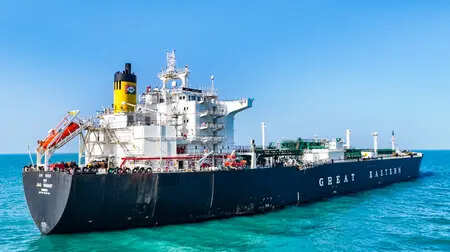
To counter rising risks in international shipping, the Indian government has established a $1.5 billion Bharat Maritime Insurance Pool, supported by a $1.4 billion sovereign guarantee.[5] This initiative provides risk coverage for Indian vessels traversing global routes, including war zones, ensuring continuity amid heightened threats.
The pool aims to lower insurance premiums and secure protection even as global insurers pull back due to escalating dangers.[5] Launched in response to geopolitical hotspots that have rattled markets—like the Iran conflict—this measure safeguards India's maritime interests.[4] By offering reliable coverage, it addresses gaps left by private markets wary of conflict areas, enabling sustained trade flows. The sovereign backing underscores India's proactive stance in linking domestic policy to international security challenges, potentially stabilizing supply lines vulnerable to regional wars.[5]
What to watch next: Iran's response if the US rejects its peace plan, which could lead to truce failure[4]; progress on Kagan's predicted shifts in global power from the Iran war[3]; and further adoption of the yuan by Australian miners amid low Chinese interest rates[2].