
Global geopolitics features oil prices rising over 3% amid US-Iran disputes
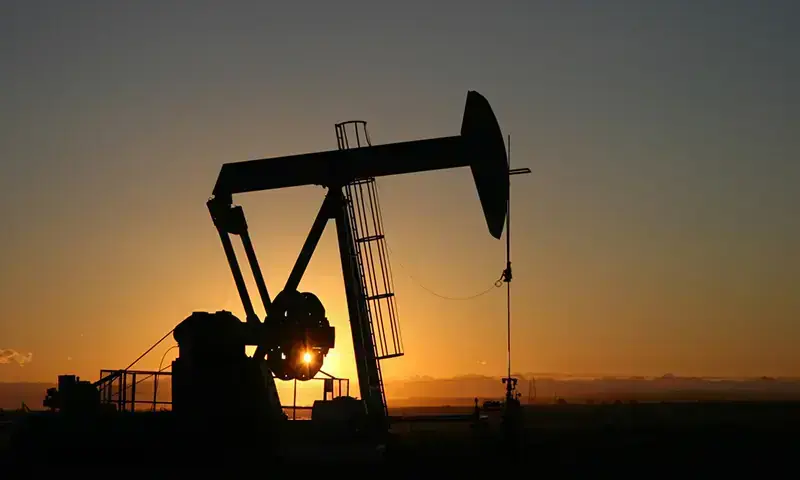
In the landscape of geopolitics global, oil prices have risen more than 3% due to stark differences between the US and Iran over a proposal to end the war in the Middle East, raising concerns about prolonged supply disruptions.[1] This surge reflects broader market instability as tensions escalate, with Brent crude futures gaining $3.10, or 2.97%, to $107.31 a barrel, and US West Texas Intermediate futures up $3.56, or 3.63%, at $101.63 by mid-afternoon trading.[1] Both benchmarks had already climbed nearly 3% the previous day, underscoring the persistent pressure on global energy markets from regional conflicts.[1]
Iran's chief negotiator has stated that the US must accept Tehran's latest peace plan or risk the collapse of the Middle East truce, a demand issued following US-Israeli strikes that have destabilized the region.[5] Neoconservative Robert Kagan has warned that the US is heading for 'checkmate' and 'total defeat' in the Iran war, potentially leading to a major shift in global power.[4] Meanwhile, at the Africa Forward Summit, Nigerian President Bola Tinubu called for reforms to the global financial architecture to address issues affecting African nations.[2] Australia's mining giants, including BHP, are increasingly using the yuan for financing and settlements, supporting China's efforts to reduce the US dollar's dominance in global trade.[3]
Oil Price Increases and Market Impacts
The recent surge in oil prices, exceeding 3%, stems directly from diminishing hopes for peace in the Middle East amid irreconcilable positions between the US and Iran on a proposal to conclude the ongoing war.[1] Traders and analysts are increasingly concerned that these differences signal prolonged supply disruptions, which have already upended the global oil market.[1] On Tuesday, Brent crude futures rose $3.10, equivalent to a 2.97% increase, settling at $107.31 a barrel by 2:01 p.m. ET (1801 GMT).[1] Similarly, US West Texas Intermediate futures advanced $3.56, marking a 3.63% gain to $101.63.[1] This followed a nearly 3% climb for both benchmarks on Monday, indicating a sustained upward trajectory driven by geopolitical risks.[1]
These price movements highlight the vulnerability of global energy supplies to Middle East instability. The war, now in its third month, has introduced uncertainties that extend beyond immediate production halts, affecting shipping routes, insurance costs, and investor confidence.[1] As hopes for a swift resolution dwindle, market participants are pricing in extended disruptions, which could ripple through to higher fuel costs for consumers and industries worldwide.[1] The context of US-Iran discord over peace terms amplifies these fears, as any breakdown in negotiations could exacerbate shortages and volatility.[1] This environment demands close monitoring, as oil's role in the global economy means even modest supply interruptions can lead to widespread inflationary pressures and economic slowdowns.[1]
US-Iran Tensions Over Peace Proposals
Iran’s chief negotiator has issued a stark ultimatum to the United States, insisting that Washington accept Tehran’s latest peace plan or face the 'failure' of the Middle East truce.[5] This demand comes in the wake of President Donald Trump’s warning that the ceasefire is nearing collapse, heightening the stakes in an already fragile diplomatic landscape.[5] The conflict, ignited more than two months ago by US-Israeli strikes on Iran, has profoundly destabilized the region and sent shockwaves through global markets.[5]
The negotiator's statement underscores Tehran's firm position, positioning the acceptance of its peace plan as the linchpin for preserving the truce.[5] Failure to comply, according to this view, risks total breakdown, potentially reigniting hostilities and prolonging the war.[5] Trump's public caution about the ceasefire's fragility adds another layer of tension, suggesting that US leadership perceives the current arrangement as untenable without concessions.[5] These exchanges reveal deep divisions over the terms of any resolution, with Iran leveraging its stance to pressure the US amid ongoing regional instability.[5]
The implications extend to broader security dynamics, as the truce's potential collapse could draw in additional actors and escalate military actions.[5] Destabilization from the initial strikes has already rattled markets, and further deterioration could compound economic fallout.[5] This standoff illustrates the high-wire diplomacy at play, where mutual accusations and rigid demands threaten to undo fragile progress.[5]
Expert Warnings on US Foreign Policy
Influential neoconservative Robert Kagan, a prominent US hawk and long-time pro-Israel advocate, has cautioned that Washington is steering toward ‘checkmate’ and ‘total defeat’ in the Iran war.[4] Kagan's analysis points to profound risks in the current trajectory, warning of a major shift in global power dynamics and a ‘disastrous’ outcome for Israel.[4] As one of the United States’ most vocal neoconservative voices, his assessment carries weight in policy circles, highlighting the perils of sustained US involvement.[4]
Kagan's dire prognosis frames the conflict as a strategic miscalculation, potentially culminating in irreversible losses for American interests.[4] The reference to ‘checkmate’ evokes a chess-like inevitability, suggesting that military and diplomatic moves have cornered the US into a losing position.[4] This could precipitate not just battlefield setbacks but a reconfiguration of international alliances and influence.[4] For Israel, the stakes are equally grave, with Kagan foreseeing outcomes that undermine its security amid the escalating war.[4]
Such expert commentary serves as a sobering counterpoint to official narratives, urging reevaluation of engagement strategies.[4] Kagan's longstanding advocacy for robust foreign policy adds credibility to his alarms, positioning them as a call for course correction before deeper entanglements lead to defeat.[4]
Calls for Global Financial Reforms
At the Africa Forward Summit, co-hosted by French President Emmanuel Macron and Kenyan President William Ruto, Nigerian President Bola Tinubu advocated for reforms to the global financial architecture.[2] The gathering united leaders and top officials from more than 30 African countries, providing a platform to address systemic issues impeding the continent's progress.[2]
Tinubu's call emphasizes the need to overhaul institutions that have long disadvantaged African nations, seeking structures more equitable and responsive to regional challenges.[2] This push aligns with broader discussions at the summit on economic empowerment and sustainable development.[2] By highlighting flaws in the current system, Tinubu aims to foster reforms that enhance access to capital, reduce dependency, and promote intra-African trade.[2]
The summit's focus on financial restructuring reflects growing consensus among African leaders for change, potentially influencing international agendas.[2]
Shifts in International Trade Dynamics
Australia’s mining giants, including BHP—the world’s largest mining company—are playing a pivotal role in China’s campaign to globalize the yuan and diminish the US dollar’s dominance in global trade.[3] These firms are progressively adopting the yuan for financing and settlements, a shift analysts attribute to China’s market leverage as the top buyer of iron ore.[3]
China’s relatively low interest rates provide an additional incentive, making yuan-denominated deals attractive for cost-conscious miners.[3] This trend marks a tangible step toward currency internationalization, as major players like BHP integrate the yuan into their operations.[3] By bypassing the dollar, these companies contribute to diversifying global trade finance, challenging established norms.[3]
The implications are profound for international economics, signaling a multipolar currency landscape where alternatives to the dollar gain traction.[3]
Overview of Interconnected Geopolitical Events
These developments weave a complex tapestry of geopolitics global instability, with US-Iran frictions at the core driving oil price spikes and truce uncertainties.[1][5] The more than 3% rise in benchmarks like Brent and WTI reflects fears of extended supply woes from the Middle East war.[1] Iran's insistence on its peace plan, coupled with Trump's ceasefire warnings, amplifies risks of collapse following US-Israeli strikes.[5]
Robert Kagan's stark forecast of US ‘checkmate’ and ‘total defeat’ ties into this, envisioning global power realignments that could reshape alliances.[4] Collectively, these events—from energy market turbulence[1] to diplomatic brinkmanship[5] and strategic vulnerabilities[4]—underscore interconnected threats to stability, influencing trade, finance, and security worldwide.
What to watch next: Monitor US responses to Iran’s peace plan demands and any ceasefire developments, as Trump’s warnings suggest potential escalations that could further disrupt oil supplies and global markets.[5][1]