
Global geopolitics sees US advancing Iran deal to avert crisis
In the shifting geopolitics global landscape of Middle East tensions, the US is pushing for a limited deal with Iran to prevent a global economic meltdown.[3][5] Escalating conflicts are disrupting key energy routes and straining international alliances, with ripple effects felt from South Korea's import-dependent economy to Israel's diplomatic maneuvers.[1][2]
Rising Energy Tensions in the Middle East
The intensification of war in the Middle East has triggered widespread concerns over an impending energy crisis, with oil and gas prices surging due to disruptions in the Strait of Hormuz, the primary conduit for global energy shipments.[1] This vital chokepoint, now entangled in confrontations involving the US and Iran, underscores the fragility of international energy supplies. Countries heavily reliant on imports are particularly exposed, and South Korea stands out as one of the most vulnerable nations. Importing approximately 90 percent of its energy needs, South Korea faces heightened risks from any prolonged interruptions in these flows.[1] While the situation poses severe challenges, it is not yet as catastrophic as in other import-dependent economies like the Philippines or Vietnam, where power outages have already begun to materialize amid the volatility.[1]
These developments highlight the interconnected nature of global energy markets. The Strait of Hormuz handles a significant portion of the world's seaborne oil trade, and any escalation—whether through military actions, blockades, or heightened naval presence—amplifies price fluctuations worldwide. For energy-poor nations like South Korea, this translates into immediate economic pressures, including potential spikes in manufacturing costs, transportation expenses, and household energy bills. The ongoing Middle East conflict has accelerated these trends, prompting governments to reassess energy security strategies, such as diversifying import sources or bolstering domestic reserves. Yet, the reliance on this narrow waterway remains a persistent vulnerability, as recent events demonstrate how quickly regional disputes can cascade into global disruptions.[1]
US-Iran Negotiations and Global Implications
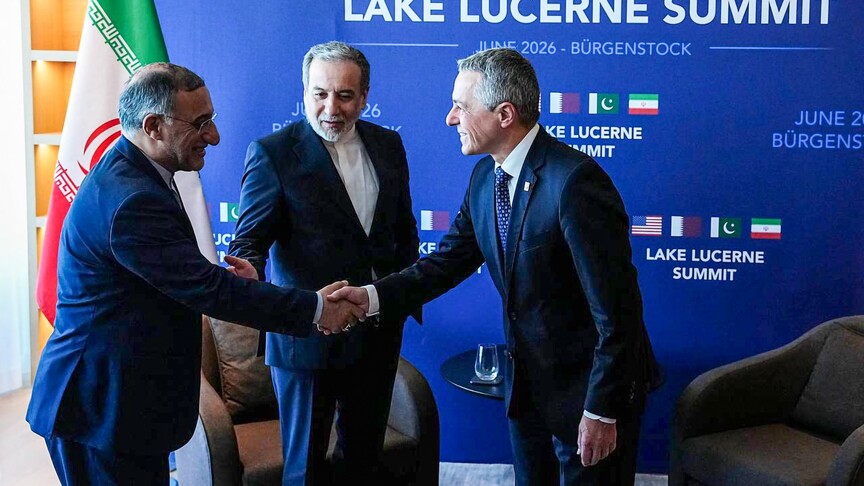
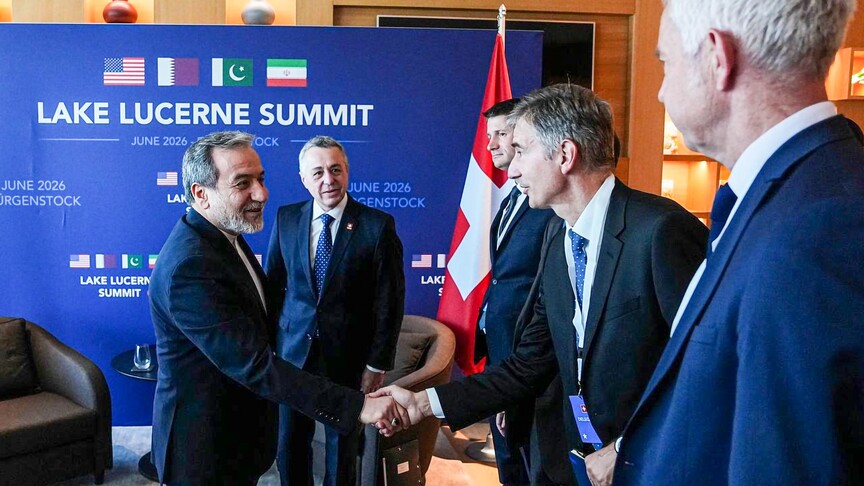
Washington and Tehran are pivoting toward a limited pact with Iran, scaling back from broader peace efforts to avert a global economic meltdown stemming from the frozen standoff over the Iran war.[3][5] This approach defers more contentious issues, focusing instead on immediate de-escalation measures amid threats to international stability.[3] Iran has indicated it is reviewing a US proposal aimed at ending what it describes as the US-Israel war against it, which has precipitated a worldwide crisis.[5]
Israel remains sidelined from these direct negotiations, a development that aligns with Prime Minister Benjamin Netanyahu's reluctance to endorse any agreement that might undermine Israel's military objectives.[3] Netanyahu has expressed opposition to a deal that could interrupt ongoing operations, particularly the campaign against Hezbollah in Lebanon.[3] The US push, reportedly advanced under figures like former President Trump in discussions, prioritizes economic safeguards over comprehensive resolutions, reflecting the urgency of stabilizing energy markets and preventing further fallout from Middle East hostilities.[3]
The implications extend beyond the negotiating table. A limited deal could temporarily ease pressures on global trade routes like the Strait of Hormuz, mitigating the risk of oil supply shocks that have already driven up prices.[1][3] However, its success hinges on Iran's response to the proposals, with Tehran weighing options amid its own strategic calculations.[5] For the international community, this represents a pragmatic step to contain the conflict's economic contagion, though it leaves deeper tensions unresolved and Israel's security concerns unaddressed.[3][5]
Israel's Diplomatic Efforts Amid Criticism
As global criticism intensifies over Israel's actions in Gaza—described in some reports as genocide—Israeli President Isaac Herzog has concluded a visit to Panama, securing expanded trade and technology agreements to bolster alliances.[2] These pacts aim to preserve diplomatic and economic ties at a time when Israel's international standing faces mounting opposition.[2]
Herzog's engagement with Panama underscores Israel's proactive strategy to diversify partnerships amid shifting global sentiments. Trade expansions in sectors like technology could open new markets for Israeli exports, while fostering collaborations that counteract isolationist pressures. This move comes against a backdrop of widespread condemnation related to the Gaza conflict, which has strained relations with traditional allies and prompted calls for reevaluation of support in various capitals.[2] By strengthening bonds with nations like Panama, Israel seeks to create a network of reliable partners less swayed by the dominant narratives in Western media and forums.[2]
Such diplomatic outreach is not isolated but part of a broader effort to maintain economic lifelines. Technology agreements, in particular, leverage Israel's strengths in innovation, potentially leading to joint ventures in cybersecurity, agriculture tech, and defense-related systems. This approach helps offset the diplomatic costs of the ongoing war, ensuring that alliances endure even as public opinion sours elsewhere.[2]
Impact on Israel's Economy and Alliances
Israel's war economy, heavily propped up by US aid, European trade, and domestic lobbying networks, is under increasing strain from growing global isolation.[4] Public opinion shifts in key supporter nations are fueling pressure to curtail assistance, with demonstrations demanding arms embargoes and reduced backing.[4] Pro-Palestinian protesters, for instance, gathered outside a BAE Systems facility in Rochester, England, on October 8, 2025, urging the British government to impose a full arms embargo on Israel.[4]
This evolving landscape poses existential challenges to Israel's fiscal sustainability. Dependence on external aid—particularly from the US—and trade with Europe has long underpinned military expenditures, but calls to cut support are gaining traction.[4] In the US, lobbying efforts traditionally aligned with Israel face headwinds from changing demographics and political dynamics, while Europe grapples with its own internal debates over complicity in the conflict.[4] The result is a war economy stretched thin, where sustained operations against groups like Hezbollah demand resources that isolation could render scarce.[3][4]
Alliances are fraying at the edges, with economic interdependence now a double-edged sword. While Zionist lobbying has historically mitigated backlash, the cumulative effect of protests, boycotts, and policy shifts threatens long-term viability. Israel's leadership must navigate this terrain carefully, balancing military imperatives with the need to retain vital partnerships amid a chorus of international demands for restraint.[4]
Broader Geopolitical Context
The geopolitics global interplay of these events reveals a web of interconnected pressures reshaping international relations. Disruptions in the Strait of Hormuz from US-Iran tensions exacerbate energy vulnerabilities for import-reliant states like South Korea, amplifying the stakes for any US-Iran limited deal.[1][3][5] This pact, aimed at staving off economic meltdown, deliberately excludes Israel, clashing with Netanyahu's war aims against Hezbollah and highlighting fractures in the US-Israel alliance.[3]
Simultaneously, Israel's outreach to Panama via trade and tech deals counters isolation driven by Gaza criticism, yet its war economy buckles under shifting US and European support.[2][4] Protests for arms embargoes and aid cuts underscore how public opinion is eroding traditional pillars of backing.[4] Iran's review of US proposals adds uncertainty, as a "US-Israel war" on it fuels the very crisis prompting de-escalation efforts.[5]
These dynamics form a precarious balance: energy security clashes with security priorities, diplomatic pivots offset economic strains, and limited deals test alliance resilience. The Middle East's volatility thus reverberates through global markets, alliances, and strategies, demanding vigilant navigation by all involved.[1][2][3][4][5]
What to watch next: Iran's response to the US proposal could determine if a limited deal materializes to ease the global crisis, while Netanyahu's stance on sidelined war priorities and Israel's Panama-style alliances may signal adaptations to mounting isolation pressures.[3][5][2][4]