
Geopolitics in Iran: Trump and Xi Plan Discussions on Nuclear and Trade Matters
In the evolving landscape of geopolitics iran, US President Donald Trump and Chinese President Xi Jinping are set to discuss Iran among other topics, including nuclear issues, trade, and AI, during their upcoming talks.[1] These discussions come amid heightened tensions in the Middle East, where Israeli actions, regional security concerns, and international defense efforts are intersecting with broader global diplomatic maneuvers.
US-China Diplomatic Engagements
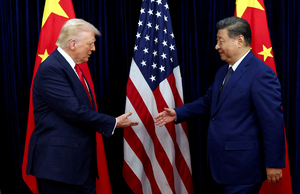
The planned talks between US President Donald Trump and Chinese President Xi Jinping represent a significant diplomatic engagement, with Iran emerging as a central topic alongside nuclear weapons, trade, artificial intelligence, and Taiwan.[1] According to US officials, the leaders of the world's two largest economies are previewing Trump's two-day visit to China this week, where they aim to stabilize ties strained by ongoing trade issues and the US and Israeli war with Iran.[1] This face-to-face meeting marks the first in more than six months, underscoring the urgency of addressing these multifaceted challenges.[1]
The inclusion of Iran in the agenda highlights its prominence in global diplomacy, particularly as tensions escalate in the region. Discussions on nuclear weapons are particularly timely, given longstanding concerns over Iran's nuclear program.[1] Trade matters, including the potential extension of a critical minerals deal, add an economic dimension to the talks, reflecting how geopolitical frictions can impact global supply chains.[1] Artificial intelligence, another key area, points to emerging technological rivalries that could influence strategic balances worldwide.[1] These topics are interconnected, as stabilizing US-China relations could have ripple effects on Middle East dynamics, including pressures on Iran.[1]
US officials have emphasized the comprehensive nature of these engagements, positioning them as an opportunity to weigh broader strategic interests.[1] Trump's visit to Beijing is framed as a critical juncture, where decisions on Iran could influence not only bilateral ties but also international responses to nuclear proliferation and regional conflicts.[1] The talks' scope—from Iran to AI—illustrates the interconnectedness of contemporary global challenges, where economic cooperation might underpin diplomatic progress on security issues.[1]
Israel's Position on Iran
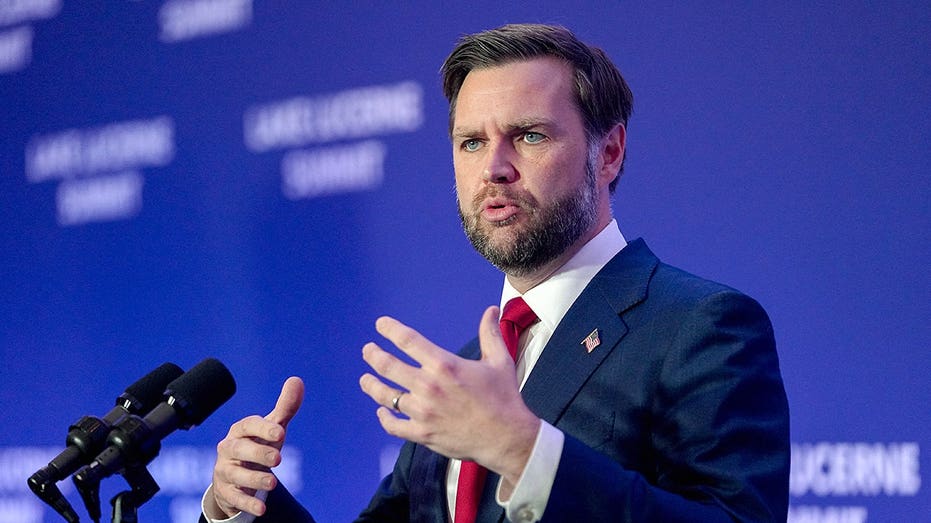
Israeli Prime Minister Benjamin Netanyahu has articulated a firm stance on Iran, stating that regime change in the country is possible but not guaranteed.[4] In remarks made on Sunday, Netanyahu indicated that Iran's leadership could eventually be toppled, though he refrained from predicting such an outcome definitively.[4] This position reflects Israel's broader strategic calculus amid ongoing hostilities.
Netanyahu further emphasized that Israel's military campaign against Iran is not over and that Iranian nuclear sites need to be dismantled.[5] He described the campaign as having accomplished a great deal but warned that additional action may still be necessary.[5] These statements underscore Israel's commitment to a sustained military effort, positioning the dismantling of nuclear infrastructure as a core objective.[5]
The prime minister's comments on regime change add nuance to Israel's approach, suggesting openness to internal dynamics in Iran without banking on them as a certainty.[4] Coupled with the assertion that the war continues, Netanyahu's rhetoric signals a long-term strategy that combines military pressure with vigilance over Iran's nuclear ambitions.[5] This dual emphasis—on possibility rather than inevitability for regime change, and on the incompleteness of military objectives—highlights the uncertainties Israel navigates in its confrontation with Iran.[4][5]
Middle East Security Concerns
Reports have surfaced indicating that Iraq is being used as a secret base by Israel for potential attacks on Iran, prompting responses from Iraqi officials.[2] Published details from regional monitoring sources describe Iraq's alleged role in this context, with a Baghdad general issuing a response to these claims.[2] Dated May 11, 2026, the report titled "Irak Jadi Pangkalan Rahasia Israel untuk Serang Iran, Ini Respons Jenderal Baghdad" points to these developments as a flashpoint in regional security.[2]
This allegation amplifies concerns over proxy dynamics and covert operations in the Middle East, where Iraq's territory is purportedly facilitating Israeli operations against Iran.[2] The involvement of Iraqi officials, particularly a general's response, suggests domestic pushback and potential escalatory risks within Iraq itself.[2] Such reports contribute to the volatile security environment, where accusations of basing rights could strain Iraq's relations with both Israel and Iran.[2]
The strategic implications are profound, as Iraq's position could serve as a conduit for strikes deeper into Iranian territory, altering the balance of power.[2] Iraqi responses indicate awareness and possible countermeasures, heightening the stakes for regional stability.[2] This scenario exemplifies how neighboring states become entangled in larger Israel-Iran confrontations, complicating efforts to contain the conflict.[2]
International Defense Initiatives
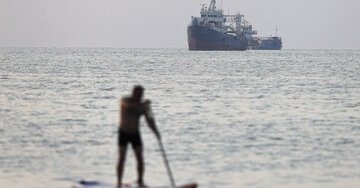
The UK and France are hosting defense talks to address shipping through the Strait of Hormuz amid threats from Iran.[3] Set for Tuesday, this multinational meeting of defense ministers aims to review military plans to restore trade flows through the vital waterway.[3] Tehran has warned that the Iranian military would respond with a "decisive and immediate response" to any French and British deployment, framing the initiative as a direct challenge.[3]
These talks occur within the context of a live Middle East war update, underscoring the urgency of securing one of the world's most critical chokepoints for global energy trade.[3] The UK and France's leadership in convening allies reflects a coordinated Western response to Iranian threats, focusing on practical military measures to ensure safe passage.[3] Iran's explicit warnings add tension, positioning the Hormuz Strait as a potential flashpoint for broader confrontation.[3]
The multinational nature of the meeting suggests broad international buy-in, with defense ministers gathering to align strategies against disruptions.[3] Restoring trade flows is paramount, given the strait’s role in global commerce, and these initiatives aim to deter Iranian interference through collective deterrence.[3] France24's live coverage highlights the real-time stakes, as preparations unfold against a backdrop of escalating rhetoric.[3]
Broader Geopolitical Context
The geopolitics iran landscape interconnects US-China talks, Israeli positions, Middle East security issues, and international defense efforts into a complex web.[1][3][4][5] Trump and Xi's discussions on Iran, nuclear issues, trade, and AI provide a high-level diplomatic overlay to regional flashpoints.[1] Netanyahu's assertions on ongoing war and nuclear dismantlement, alongside regime change possibilities, intensify the focus on Iran's internal and external vulnerabilities.[4][5]
Iraq's alleged role as an Israeli base introduces proxy elements that could draw in more actors, while UK-France led Hormuz talks address immediate economic security threats from Iran.[2][3] These threads—diplomatic, military, and navigational—converge around Iran's actions, with nuclear concerns threading through US-China engagements and Israeli objectives.[1][5] Strained US-China ties, exacerbated by the US and Israeli war with Iran, further globalize the conflict.[1]
Iran's warnings to Western deployments signal readiness for escalation, linking regional security to international trade routes.[3] Netanyahu's measured optimism on regime change tempers expectations but aligns with sustained pressure campaigns.[4] Collectively, these developments portray a multifaceted pressure on Iran, from bilateral superpower talks to coalition defense measures.[1][3][4][5]
What to watch next: Outcomes from Trump-Xi talks on Iran and nuclear issues, Netanyahu's further updates on the military campaign, and results of the UK-France hosted Hormuz defense meeting amid Tehran's response threats.[1][3][5]