
Global Geopolitics Involves Modi's Tour to UAE and Europe Amid Conflicts
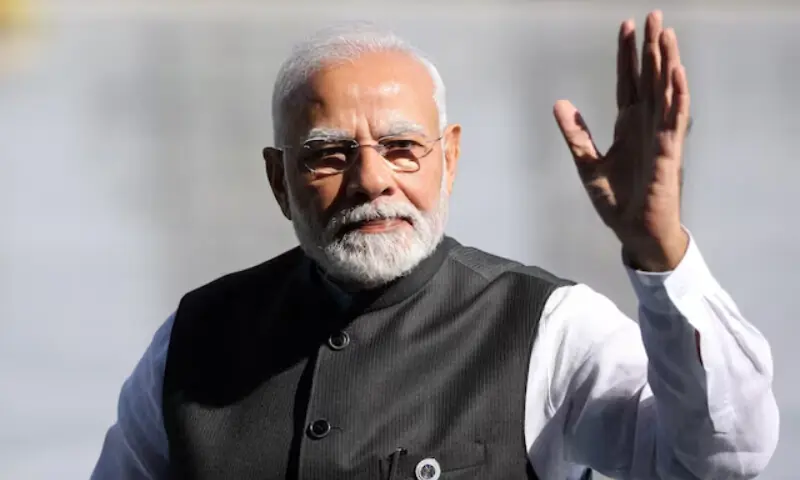
Indian Prime Minister Narendra Modi is embarking on a multi-nation tour to the United Arab Emirates and four European countries amid global unrest caused by wars in the Middle East and Ukraine.[1] This journey, set to begin this week, underscores the intricate dynamics of geopolitics global, where diplomatic engagements intersect with pressing security and energy challenges. Officials announced the details on Monday, highlighting Modi's itinerary as a response to the broader instabilities affecting international relations.[1] As conflicts continue to disrupt supply chains and military resources worldwide, Modi's visits carry significant weight in fostering bilateral ties amid these tensions.[1][2][3]
Modi's Multi-Nation Tour Details
Indian Prime Minister Narendra Modi's upcoming multi-nation tour represents a strategic diplomatic outreach, starting with the United Arab Emirates before extending to four European countries.[1] Scheduled to launch this week, the tour kicks off on Friday in the UAE, where Modi will engage directly with key regional leadership.[1] India's foreign ministry confirmed these plans in a statement, emphasizing the whirlwind nature of the itinerary designed to address multiple fronts of international cooperation.[1]
The choice of destinations reflects India's intent to strengthen ties in regions pivotal to global stability. In the UAE, a nation hosting a substantial Indian expatriate community of 4.5 million, the visit holds particular community and economic resonance.[1] This large diaspora serves as a bridge for people-to-people connections, amplifying the tour's diplomatic impact.[1] Following the UAE leg, Modi's travel to four unspecified European countries—though details on exact nations remain tied to official announcements—aims to broaden India's engagement across continents.[1] The primary objectives include bolstering bilateral relations strained by global unrest, with a focus on mutual interests in security, trade, and energy resilience.[1]
This tour occurs at a critical juncture, as leaders worldwide navigate the ripple effects of ongoing conflicts. Modi's schedule, described by officials as intensive, prioritizes high-level meetings to advance shared agendas.[1] By sequencing the UAE first, India signals the urgency of Gulf partnerships in stabilizing supply lines disrupted by regional wars.[1] The European extensions further position India as a key player in transcontinental dialogues, potentially addressing defense and economic interdependencies exacerbated by distant battlefields.[1] Overall, the itinerary outlines a comprehensive approach to diplomacy, leveraging Modi's visits to reinforce India's role in mitigating global unrest's fallout.[1]
Energy Cooperation in the UAE
Central to Modi's UAE visit is his meeting with Sheikh Mohamed bin Zayed Al Nahyan, the UAE leader, where energy cooperation emerges as a paramount agenda item.[1] This focus stems directly from global supply disruptions triggered by the Middle East war, which have intensified vulnerabilities in energy markets worldwide.[1] The discussions aim to deepen bilateral energy ties, ensuring resilient pathways for resources amid these interruptions.[1]
The UAE, a major player in global energy production, offers India a vital partner for diversifying import sources and enhancing supply security.[1] With the Middle East war causing widespread disruptions, such as fluctuating oil prices and logistical challenges, energy stability has become a linchpin of international relations.[1] Modi's engagement with Sheikh Mohamed bin Zayed Al Nahyan will likely explore joint initiatives in exploration, refining, and long-term contracts to buffer against these shocks.[1] This meeting builds on existing frameworks, where India and the UAE have historically collaborated on energy projects benefiting both economies.[1]
Amid broader global unrest, these talks gain added urgency. The 4.5 million-strong Indian community in the UAE provides a backdrop for multifaceted dialogues, intertwining economic stakes with cultural affinities.[1] By prioritizing energy, the visit addresses immediate needs while laying groundwork for sustained cooperation, potentially influencing regional energy dynamics.[1] Analysts note that such high-level interactions can accelerate agreements, helping stabilize supplies strained by conflict-related volatility.[1] In essence, the UAE leg exemplifies proactive diplomacy tailored to contemporary energy crises rooted in Middle Eastern instability.[1]
Allies' Push for Arms Export Reforms
America's allies are actively lobbying the U.S. Congress to ease restrictions on foreign arms sales, driven by the imperatives of ongoing global conflicts.[2][3] This campaign seeks to streamline processes hampered by bureaucratic red tape, facilitating faster delivery of defense equipment to partners worldwide.[2][3] The push comes as prolonged engagements test the limits of international military support networks.[2][3]
At the heart of these efforts is the recognition that current restrictions impede timely aid to allies facing threats.[2][3] Proponents argue for reforms that would expedite approvals without compromising oversight, thereby enhancing collective security.[2][3] This lobbying reflects a coordinated approach among U.S. partners, who view eased regulations as essential for maintaining operational readiness.[2][3]
The context for this advocacy is stark: wars demanding sustained munitions flows have highlighted the need for agile export policies.[2][3] By targeting Congress, allies aim to unlock pathways for increased arms transfers, bolstering defenses against shared adversaries.[2][3] These initiatives could reshape global arms trade dynamics, prioritizing efficiency in an era of heightened demand.[2][3]
Global Unrest and Its Impacts
The wars in Ukraine and the Middle East form the backdrop of escalating global unrest, profoundly influencing diplomatic and military landscapes.[1][2][3] These conflicts have not only prolonged hostilities but also triggered cascading effects on resources and alliances.[1][2][3]
In the Middle East, warfare has disrupted energy supplies, compelling nations like India to seek stable partnerships, as evidenced by Modi's UAE focus.[1] Similarly, the Ukraine conflict has accelerated munitions consumption, straining international stockpiles.[2][3] Together, these theaters expose interconnected vulnerabilities, from energy pipelines to defense manufacturing.[1][2][3]
U.S. weapons stockpiles are being depleted at an unprecedented rate due to support for Ukraine and Middle Eastern operations, revealing cracks in replenishment capabilities.[2][3] This depletion underscores the wars' toll on America's defense production pipeline, where weaknesses in scaling output have surfaced amid sustained demands.[2][3] Diplomatically, such pressures amplify calls for adaptive policies, including Modi's tour to secure energy amid these disruptions.[1]
The resultant instability permeates geopolitics, prompting leaders to recalibrate strategies. Energy shortages from Middle Eastern battles intersect with arms shortages from Ukraine, creating a multifaceted crisis.[1][2][3] These impacts ripple through economies and alliances, demanding coordinated responses to safeguard global order.[1][2][3]
Connections to Wider Geopolitics
In the sphere of geopolitics global, Modi's tour interlinks with allies' arms export lobbying, illustrating how regional conflicts propel worldwide realignments.[1][2][3] The Middle East war's supply disruptions directly inform energy talks in the UAE, while Ukraine's drain on stockpiles fuels U.S. policy debates.[1][2][3]
These threads converge in a tapestry of interdependence: energy security in the Gulf ties to European stability, and arms reforms address transatlantic needs amid Eastern European threats.[1][2][3] Modi's multi-nation path—from UAE's 4.5 million Indian community to European capitals—mirrors allies' congressional overtures, both countering conflict-induced frailties.[1][2][3]
America's production pipeline weaknesses, laid bare by dual wars, amplify the stakes for export easing, potentially reshaping alliance architectures.[2][3] India's proactive diplomacy complements this, positioning it as a stabilizer in energy and beyond.[1] Collectively, these developments highlight a geopolitical landscape where unrest in Ukraine and the Middle East dictates agendas from Delhi to Washington.[1][2][3]
What to watch next: Observers will monitor outcomes from Modi's UAE meeting with Sheikh Mohamed bin Zayed Al Nahyan on energy pacts amid Middle East disruptions, alongside progress in U.S. Congress on allies' arms export restriction reforms as stockpiles dwindle from Ukraine and regional wars.[1][2][3]