Global Geopolitics Faces Strait of Hormuz Shutdown from US-Iran Clashes
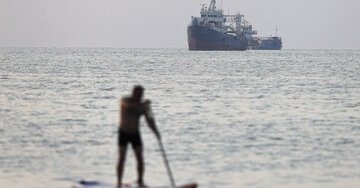
Ships remain stranded in the Strait of Hormuz due to ongoing US-Iran clashes, halting all traffic in this critical global energy corridor.[2][3] In the broader context of geopolitics global, the complete shutdown underscores escalating tensions that have paralyzed maritime movement, with no vessels passing through in the last 48 hours amid mutual accusations over attacks on ships and naval assets.[3] This disruption highlights vulnerabilities in one of the world's most vital chokepoints for oil transit, where Iran has effectively seized control following strikes by the United States and Israel on February 28.[2]
Current Disruptions in the Strait of Hormuz
The Strait of Hormuz, a narrow waterway that serves as the primary route for a significant portion of global oil exports, has seen a total halt in shipping activity over the past 48 hours due to heightened US-Iran clashes.[3] Reports indicate that ships remain stranded in the area, unable to proceed amid rising security risks in this key global energy transit corridor.[2][3] The dearth of passages stems directly from the intensifying conflict, where both nations have traded accusations regarding attacks on vessels and naval assets.[3]
Iran's effective seizure of control over the strait came after attacks by the United States and Israel on February 28, a development that has stranded vessels and prevented any new traffic from entering or exiting.[2] This situation has created a standoff, with maritime operators holding out for potential de-escalation, though current conditions show no immediate resolution.[2] The implications for global energy supplies are profound, as the strait handles nearly one-fifth of the world's seaborne oil trade, and the ongoing impasse amplifies concerns over supply chain disruptions.[3] Security risks have surged, prompting shipping companies to avoid the area entirely, leaving dozens of vessels idled and contributing to the unprecedented traffic stoppage.[2][3] Analysts note that such a complete blockade, even if temporary, tests the resilience of international energy markets dependent on uninterrupted flow through this chokepoint.[3]
ASEAN Responses to Global Volatility
ASEAN leaders are responding to the challenges of global volatility by calling for regional unity and a firm commitment to international law.[1][4] Thailand's Anutin has urged ASEAN unity as leaders confront these turbulent times, emphasizing the need for collective action in the face of worldwide uncertainties.[1] Similarly, Indonesia's President Prabowo Subianto has called for a unified ASEAN stance to uphold international law, stressing that the bloc must speak with one voice to convey its collective position on global issues.[4]
This push for cohesion comes amid broader geopolitical strains, where ASEAN seeks to position itself as a stabilizing force.[1][4] Anutin's remarks highlight the necessity for solidarity to navigate volatility, drawing on the region's shared interests in maintaining stability.[1] Prabowo's emphasis on unity underscores ASEAN's role in promoting adherence to legal norms internationally, particularly as external pressures mount.[4] These statements reflect a strategic intent to bolster intra-regional ties, ensuring ASEAN can address disruptions like those in key maritime routes without fracturing along national lines.[1][4] By advocating for a unified approach, leaders aim to enhance the bloc's influence in multilateral forums, countering the fragmentation seen in other global hotspots.[4]
Recent International Mediation Success
A Hong Kong-based mediation body has achieved a notable success in resolving an international maritime dispute, demonstrating the potential for diplomatic mechanisms amid rising global conflicts.[5] The International Organisation for Mediation (IOMed), headquartered in Hong Kong, successfully mediated a dispute this month between parties from mainland China and Singapore.[5] This resolution marks a key milestone for the organization, which launched last year and has since seen more states join its ranks.[5]
Teresa Cheng Yeuk-wah, secretary general of IOMed, revealed the achievement at a summit on Friday, where senior officials reaffirmed Hong Kong's commitment to serving as a global mediation center.[5] The case involved complex maritime issues between the two parties, and its amicable settlement highlights the body's effectiveness in fostering dialogue over confrontation.[5] This development occurs against a backdrop of increasing volatility in global affairs, where such neutral platforms gain importance for de-escalating tensions.[5] Hong Kong's role as a hub for mediation is being strengthened, with pledges to expand capabilities as membership grows, offering a model for handling similar disputes elsewhere.[5]
Broader Implications of Geopolitical Tensions
The interconnected events in the Strait of Hormuz reveal deepening geopolitical tensions with far-reaching consequences for international security and trade.[2][3][1] Iran's control of the strait post the February 28 attacks by the US and Israel has not only stranded ships but also fueled hopes for a US-Iran deal to restore passage, though accusations continue to dominate the narrative.[2][3] No ships passing through in 48 hours amplifies risks in the global energy corridor, where US-Iran clashes over vessel and naval attacks create a volatile environment.[3]
Layered onto this are regional responses like ASEAN's calls for unity amid global volatility, as articulated by leaders confronting these pressures.[1] The combination underscores how localized conflicts can ripple outward, challenging international norms and prompting unified stances from blocs like ASEAN.[1][2][3] Security risks in Hormuz extend beyond immediate disruptions, potentially affecting alliances and energy-dependent economies worldwide.[3] While mediation successes elsewhere, such as in Hong Kong, offer glimmers of resolution, the Hormuz impasse illustrates the fragility of critical infrastructure under geopolitical strain.[2][3]
Key Statements from Involved Parties
Key figures have issued pointed statements reflecting the stakes in these developments.[1][3][4] Anutin has urged ASEAN unity as leaders confront global volatility, positioning regional solidarity as essential.[1] President Prabowo Subianto called for a unified ASEAN stance in upholding international law, emphasizing the bloc's need to convey a collective voice.[4]
On the Hormuz front, Iran and the US have traded accusations over attacks on vessels and naval assets, heightening security risks in the strait.[3] These exchanges capture the mutual blame driving the 48-hour shipping halt, with no passages recorded.[3] Such rhetoric from involved parties underscores the diplomatic tightrope, where calls for law and unity from ASEAN contrast with direct confrontations elsewhere.[1][4][3]
What to watch next: Observers will monitor for any US-Iran deal to free stranded ships in the Strait of Hormuz, alongside ASEAN's efforts to solidify unity against global volatility and further mediation outcomes from bodies like IOMed.[2][1][5]