
German Prosecutors Open Terrorism Investigation into Far-Left Arson Attack on Berlin Power Grid
Berlin, Germany — Federal prosecutors in Germany have launched a terrorism investigation into an arson attack on high-voltage power cables that plunged 45,000 households in the capital into darkness, with authorities attributing the incident to a suspected far-left group.
The attack occurred on Sunday, January 4, 2026, around 2:16 p.m. UTC, targeting critical infrastructure in Berlin. Berlin police quickly identified signs of deliberate arson, leading to suspicions of involvement by far-left extremists. By Tuesday, January 6, German federal prosecutors — who handle high-profile cases involving national security and terrorism — took over the probe, classifying it as a potential terrorist act due to its intent to disrupt essential services on a large scale.
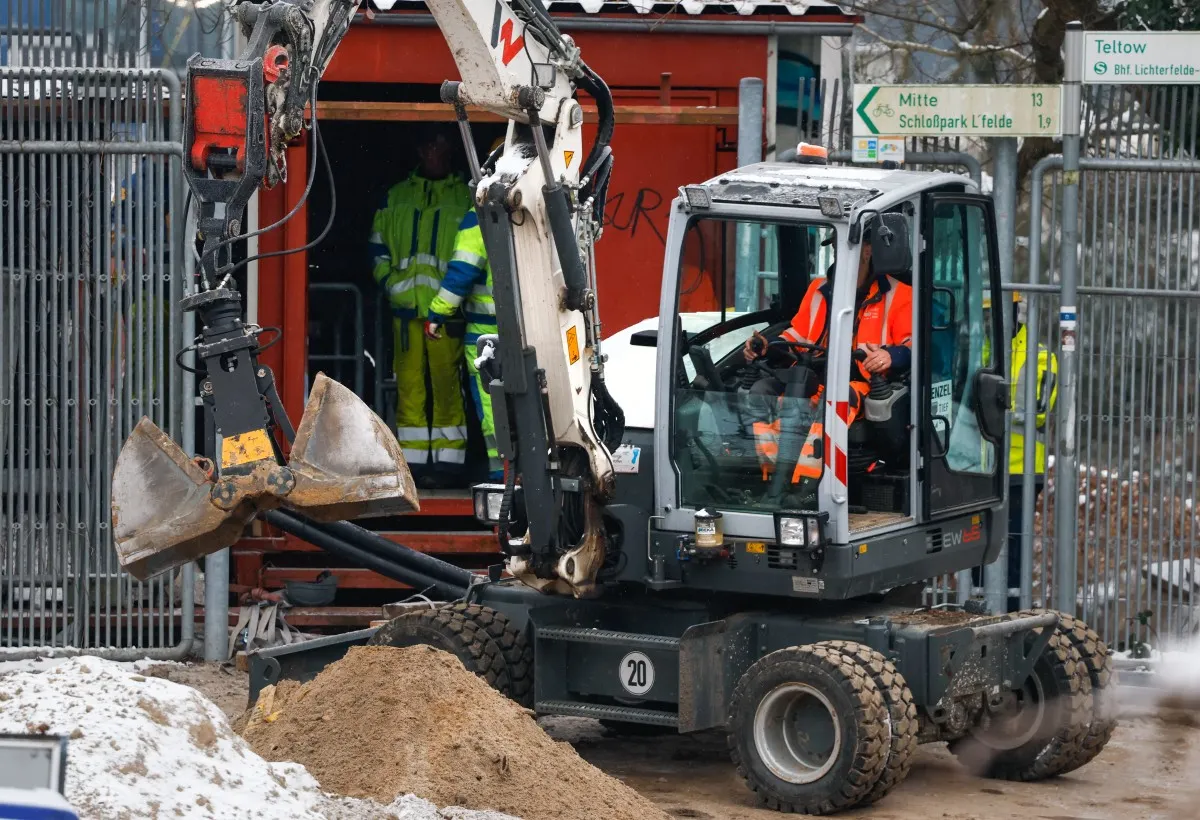
According to details emerging from the investigation, the arson damaged key high-voltage cables, causing a widespread blackout that affected tens of thousands of residents across multiple districts of Berlin. Power was restored to most areas within hours, but the incident highlighted vulnerabilities in the city's energy infrastructure amid ongoing debates about grid resilience and security.
Berlin police have described the severity of the event as medium, noting no casualties but significant disruption to daily life, including potential impacts on heating, lighting, and public services during the winter months. Investigators are examining evidence such as incendiary devices or accelerants left at the scene, along with possible claims of responsibility from radical groups active in the region.
Escalating Concerns Over Far-Left Extremism
This incident fits into a broader pattern of far-left militant actions in Germany, where groups motivated by anti-capitalist, anarchist, or environmental ideologies have increasingly targeted symbols of state and corporate power. Germany's domestic intelligence agency, the Bundesamt für Verfassungsschutz (BfV), has long monitored left-wing extremism, estimating thousands of radicals involved in property damage, sabotage, and confrontations with authorities.
In recent years, Berlin has been a hotspot for such activities. The city hosts frequent protests by autonomous groups, often linked to squatter scenes or climate activist networks, some of which have escalated to vandalism against railways, construction sites, and utilities. Notable precedents include arson attacks on Tesla's Gigafactory near Berlin in 2024, claimed by the far-left "Vulkan Group," and repeated sabotage of high-speed rail lines by the "Letzte Generation" climate protesters. These actions are typically framed by perpetrators as resistance against fossil fuels, globalization, or gentrification, but critics argue they cross into criminal territory by endangering public safety.
The federal prosecutors' decision to invoke terrorism statutes underscores the gravity of infrastructure attacks. Under German law, such probes fall under Section 129a of the Criminal Code, which covers forming or supporting terrorist organizations. This classification allows for expanded surveillance, international cooperation, and harsher penalties, potentially up to life imprisonment if political motives are proven.
Government and Public Response
Berlin authorities have ramped up patrols around other power substations and critical infrastructure sites in response. The city's mayor and federal interior ministry have condemned the attack, emphasizing the need for heightened vigilance. "Attacks on energy supplies are attacks on our society," a police spokesperson stated in initial reports, echoing sentiments from national leaders who have called for tougher measures against extremism across the political spectrum.
The blackout's timing, just after the New Year holiday, amplified its impact on a city already grappling with energy security concerns stemming from the Russia-Ukraine war and the phase-out of nuclear power. Germany's Energiewende — its transition to renewables — has strained grids, making them prime targets for those seeking to highlight systemic weaknesses.
No group has yet claimed responsibility, but investigators are analyzing online forums, graffiti, and encrypted communications frequented by far-left networks. Past incidents, such as the 2018 arson on Hamburg's railway power lines by suspected leftists, provide a template for how these cases unfold, often leading to arrests after months of forensic work.
Broader Context and Implications
Germany faces a multifaceted terrorism threat landscape. While Islamist extremism remains the top concern according to BfV annual reports, right-wing and left-wing violence have surged. In 2024, left-wing extremists committed over 2,000 politically motivated crimes, including dozens of arson cases, per official statistics. The Berlin incident marks a rare escalation to high-voltage assets, raising fears of copycat actions.
On the international front, similar infrastructure sabotage has been seen in other European countries, from French rail disruptions during the Olympics to U.K. power station attacks linked to eco-radicals. EU-wide discussions on critical infrastructure protection, including the 2022 Critical Entities Resilience Directive, aim to bolster defenses, but implementation varies.
As the investigation progresses, authorities are coordinating with European partners via Europol. Power has been fully restored, but the episode serves as a stark reminder of domestic radicalism's potential to cause chaos. Prosecutors have vowed a thorough probe, with early indications pointing to a coordinated far-left operation. Updates are expected as forensic results and potential suspects emerge.
(Word count: 712)






