
Geopolitics Lebanon reports Hezbollah and Israel accept US limited truce plan
Geopolitics Lebanon developments took a notable turn as reports confirmed that Hezbollah and Israel have moved toward accepting a US-brokered limited truce. This development centers on a proposal for mutual restraint in specific areas of Lebanon.
US-Brokered Truce Acceptance
Lebanon stated that Hezbollah accepted a US proposal calling for an end to attacks on Israel in return for Israel stopping its strikes on south Beirut. This arrangement represents the core of the limited truce framework. The acceptance followed direct US engagement with the parties involved. Sources indicate that the proposal was presented as a means to reduce immediate hostilities without addressing broader issues. [3] The same reports noted that both Hezbollah and Israel signaled willingness to observe the terms of this US plan for a limited truce in Lebanon. [4] These steps occurred amid ongoing military activity, with the agreement focused narrowly on halting strikes in designated zones.
Trump's Reported Diplomatic Role
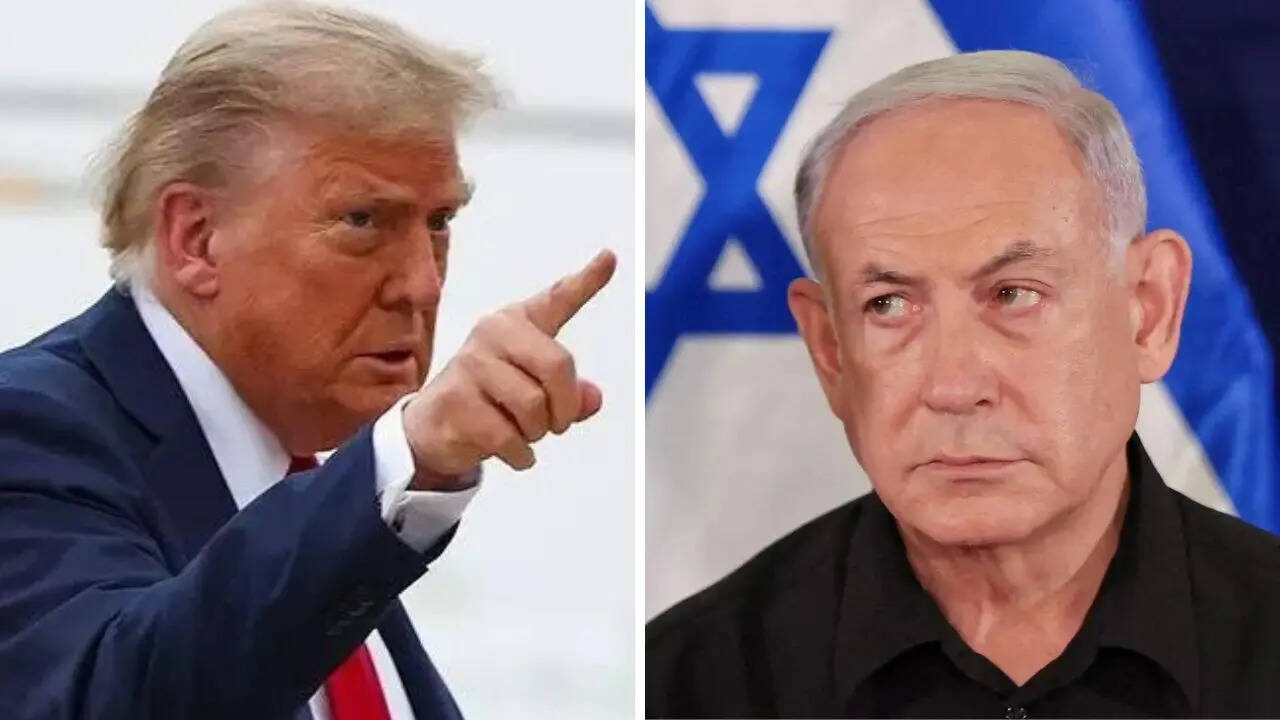
President Trump described a phone conversation with the Iran-backed group as very good. This call formed part of the diplomatic effort that led to the reported acceptance of the truce proposal. Trump also intervened during discussions to prevent certain planned actions, citing risks of wider civilian impact. The intervention aligned with the push for the limited truce terms. [3] Details from the exchanges showed Trump engaging directly on the parameters of the US proposal. These actions contributed to the reported progress on the limited truce between Hezbollah and Israel.
Tensions with Israeli Leadership
During a phone exchange, Trump reportedly called Prime Minister Netanyahu crazy and questioned his approach to strikes in Lebanon. The conversation included references to ingratitude and concerns over the direction of Israeli operations. Trump blocked a proposed strike on Beirut, pointing to risks of civilian casualties and escalation beyond self-defense needs. [1] These exchanges highlighted differences in views on how to manage the situation in Lebanon while the limited truce proposal was under discussion.
Iranian Position and Diplomacy Test
Iranian officials appeared to threaten the ceasefire arrangement in reaction to Israel's expanded operations in Lebanon. Tehran suspended talks with Washington over the Lebanon campaign, which placed additional pressure on the emerging truce. [4] This move turned Lebanon into a test of Trump's Iran diplomacy, with questions arising about whether the suspension strengthens leverage or creates new complications. [2] The Iranian response directly tied to the widening attacks and the terms of the US proposal accepted by Hezbollah and Israel.
Geopolitics Lebanon UN Proposal on Peacekeeping
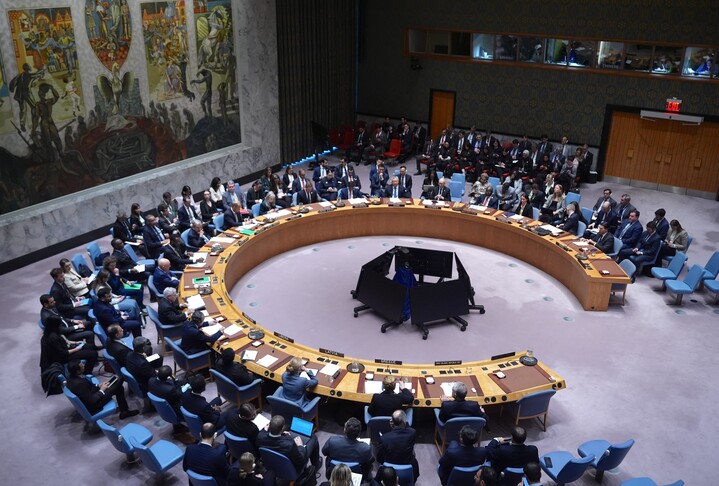
UN Secretary-General Guterres proposed creating a new force to replace the existing UNIFIL mission in Lebanon. The suggestion comes as part of efforts to support longer-term stability following the limited truce acceptance. [5] This proposal addresses the need for adjusted international presence amid the reported agreement between Hezbollah and Israel.
What to watch next includes whether Iranian officials maintain their suspension of talks or respond further to the limited truce terms, alongside any adjustments to Israeli operations in south Beirut.