Geopolitics Lebanon advances with US-brokered partial ceasefire accepted by Hezbollah
The recent developments in geopolitics Lebanon show the United States announcing a partial ceasefire between Israel and Lebanon after Hezbollah accepted a US proposal to halt attacks in exchange for Israel stopping strikes on south Beirut. This limited truce emerged directly from diplomatic efforts that included a reported conversation between President Donald Trump and the Iran-backed group, described by Trump as a "very good call." [4] The announcement reflects an attempt to de-escalate ongoing exchanges while addressing broader regional tensions tied to the conflict.
US Announces Partial Ceasefire
Lebanon stated that Hezbollah had accepted the US proposal following the positive report of Trump's engagement with the group. [4] The core terms involve Hezbollah agreeing to cease attacks on Israel while Israel would halt operations specifically targeting south Beirut. This arrangement was presented as a partial measure rather than a comprehensive end to hostilities, with the United States positioning itself as the broker. Sources indicate the acceptance came amid continued Israeli military activity in Lebanon, underscoring the fragile nature of the understanding reached through American channels. [5] The announcement marks a concrete step in which both sides signaled willingness to pause certain operations under the outlined conditions.
Trump-Netanyahu Phone Call
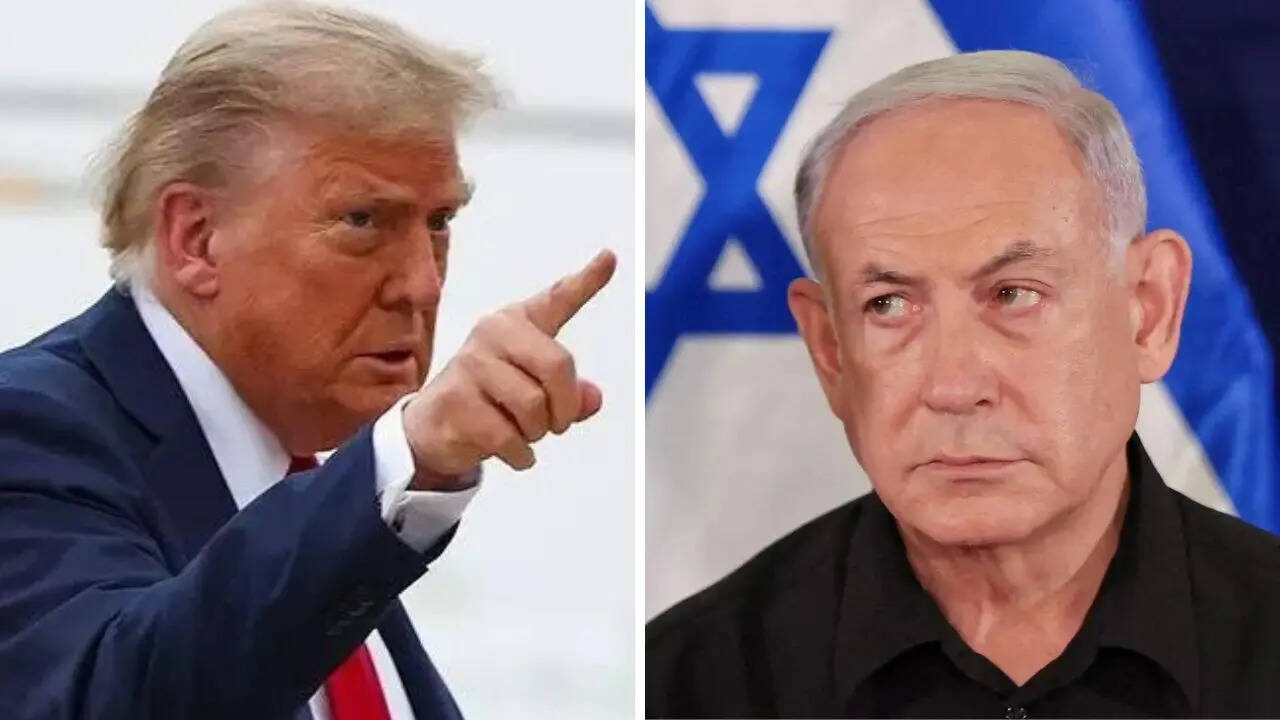
President Trump confronted Israeli Prime Minister Benjamin Netanyahu in a heated phone call, calling him "crazy" and blocking a plan to strike Beirut over concerns about civilian casualties. [1] During the exchange, Trump reportedly accused Netanyahu of ingratitude and noted that "everybody hates you now" amid Israel's escalation in Lebanon. [2] The conversation highlighted sharp differences, with Trump emphasizing the risks of disproportionate actions even while recognizing Israel's right to self-defense. US officials described the call as intense, focusing on preventing further strikes that could lead to higher civilian tolls in Beirut. These details emerged from accounts citing multiple officials familiar with the discussion.
Israeli Strikes and Blocked Plans
The escalation involved Israel's continuous bombardment of Lebanon, which prompted the US intervention to limit further expansion of targets. [1] Trump specifically blocked a proposed strike on Beirut, citing worries over civilian casualties and the potential for disproportionate escalation. [2] This intervention occurred as Israeli operations widened in Lebanon, creating the immediate context for the partial ceasefire proposal. The blocked plan illustrated the direct role of US pressure in shaping the scope of Israeli actions during this phase of the conflict. [5] Reports tied these events to the sequence leading to Hezbollah's acceptance of the US-brokered terms.
Geopolitics Lebanon Iranian Response and Diplomacy Test
Iranian officials appeared to threaten the ceasefire in response to Israel's widening attacks in Lebanon. [5] Tehran suspended talks with Washington over Israel's campaign in Lebanon, testing Trump's Iran diplomacy and raising questions about whether the move increases leverage or risks overplaying its hand. [3] This suspension directly connects to the limited truce, as Iranian reactions could influence Hezbollah's adherence to the agreement. The diplomatic pause adds another layer to the situation in geopolitics Lebanon, where the partial ceasefire now faces potential external pressures from Tehran's decisions. [5]
What to watch next is whether the Iranian suspension of talks leads to further threats against the truce or if renewed US engagement can stabilize the limited halt in attacks.