
Geopolitics Iran: Supreme leader Mojtaba Khamenei says Middle East nations will no longer shield US bases
Iranian Supreme Leader Mojtaba Khamenei stated that Middle East nations will no longer serve as shields for US bases, a position that underscores shifting dynamics in geopolitics iran as regional actors reassess longstanding security arrangements. This declaration aligns directly with statements from Iranian state media and reflects broader calls for a restructured regional framework.
Supreme Leader's Statement on US Bases
Iranian supreme leader says regional countries will no longer serve as shields for US bases, according to multiple reports on the announcement. [3] Iranian Supreme Leader Ayatollah Mojtaba Khamenei said in a statement that nations in the Middle East would “no longer serve as shields for US bases”. [4] Mojtaba Khamenei urges Muslim nations, countries of region to shape new regional, global order, according to Iranian state media. [5] The remarks position Middle East nations as unwilling to continue prior protective roles toward external military installations, emphasizing a collective push toward independence in security matters. This core announcement draws from the Supreme Leader’s Haj message and highlights an explicit rejection of existing arrangements that have historically involved regional facilitation of foreign bases.
The statement further stresses that countries across the region must take active steps to define fresh parameters for both local stability and wider international relations. By framing the issue in terms of shared responsibility among Muslim nations and neighboring states, the declaration seeks to rally support for an alternative order free from external basing dependencies. Reports confirm the language centers on ending any shield function, with direct implications for how Middle East governments might approach future defense postures.
Timing Relative to US Strikes and Ceasefire
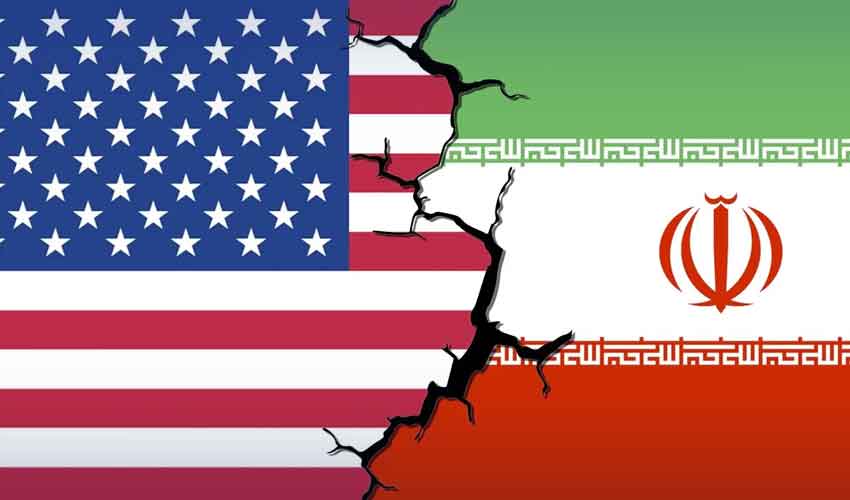
The statement came hours after the US carried out fresh strikes in Iran despite a fragile ceasefire and the two sides engaging in negotiations for a deal. [4] Mojtaba, who has not appeared publicly since being named as the supreme leader on March 8, made these remarks in his Haj message and hours after the US carried out fresh strikes in Iran despite a fragile ceasefire and the two sides engaging in negotiations for a deal to end the almost three-month-long war. [4] The proximity of the announcement to these military actions places the declaration within an active period of tension, where prior agreements remain tenuous.
This timing illustrates how the Supreme Leader’s message responded to immediate developments on the ground. Even as ceasefire terms held only loosely, the remarks reinforced Iran’s stance against continued external military presence. The sequence demonstrates that the call for regional nations to cease shielding US bases emerged directly amid ongoing operational realities rather than in isolation.
Ongoing Negotiations with the United States
Anticipation in Iran as talks with US continue amid attacks, war of words. [2] The markets in Iran predict a breakthrough, but sentiments on the street and among the leadership are divided. [2] In geopolitics iran, these parallel tracks of dialogue and public messaging reveal internal contrasts, with economic indicators pointing toward possible progress while broader opinion remains split. The continuation of talks occurs against a backdrop of repeated exchanges and rhetorical clashes, yet the divided reactions suggest uneven domestic alignment on how negotiations should proceed.
Leadership statements coexist with street-level uncertainty, creating a complex environment where official positions on regional security intersect with negotiation efforts. This context shows that the Supreme Leader’s remarks on US bases form part of a wider pattern in which diplomatic channels remain open even as public and elite views diverge on expected outcomes.
Warning on Future Aggression
Iran warns any future aggression to trigger harsher response. [1] This warning stands as a clear signal that any renewed military action would meet with intensified countermeasures. The position ties directly to the broader message that regional nations will no longer accept prior roles in protecting foreign bases, thereby raising the stakes for external actors considering further operations.
The warning reinforces the Supreme Leader’s overall call for a new order by linking non-cooperation on bases with readiness to respond more forcefully. It serves as both a deterrent and an extension of the Haj message, underscoring that Middle East countries intend to chart independent paths without serving as intermediaries or protectors in existing security setups.
What to watch next centers on whether the combination of continued US talks, divided Iranian sentiments, and the explicit warning on aggression produces any shift in regional alignments or further statements from Middle East governments regarding base protections.