
Geopolitics in China: Yuan Gains Ground as Australian Miners Adopt It for Deals
US President Donald Trump is heading to China for a summit with President Xi Jinping amid ongoing geopolitical tensions involving Taiwan, Iran, and economic shifts.[2][3] These high-stakes talks come as geopolitics in China intensifies, with the US pushing "America first" policies through parallel diplomatic channels and China advancing its currency's global role via partnerships with major commodity exporters.[1][4] The convergence of these issues underscores the complex interplay of trade, security, and economic influence shaping US-China relations.
Trump's Summit with Xi Jinping
President Donald Trump's journey to Beijing sets the stage for a critical summit with Chinese President Xi Jinping, arriving just as the US confirmed a separate delegation to Asia-Pacific Economic Cooperation (Apec) meetings in China.[4] This timing highlights the multifaceted nature of US engagement in the region, blending bilateral leadership discussions with multilateral economic forums.[4] Past US policy missteps on Taiwan serve as a cautionary backdrop, reminding observers that American presidents have balanced delicate verbal positions on Taiwan and China for nearly five decades.[2] Any perceived inconsistencies could escalate tensions, particularly as Trump navigates an emboldened Xi amid broader geopolitical pressures.[3]
The summit occurs against a landscape of strained dynamics, where China's strategic positions in global conflicts diminish US leverage.[3] For instance, the ongoing Iran war, now in its third month, positions China favorably due to its role as Tehran's primary oil purchaser and key partner.[3] Trump's visit also coincides with Iran's moves to solidify control over vital shipping routes, complicating US efforts to project strength in the Middle East.[5] Analysts note that these external factors could influence summit outcomes, as Xi leverages China's economic sway to counter US initiatives.[3] The US delegation's parallel mission to Apec events in Shanghai and Suzhou from May 11 to 24 explicitly aims to promote "America first" foreign, trade, and investment policies, signaling Washington's intent to assert priorities even during Trump's high-level talks.[4]
China's Currency Internationalization Efforts
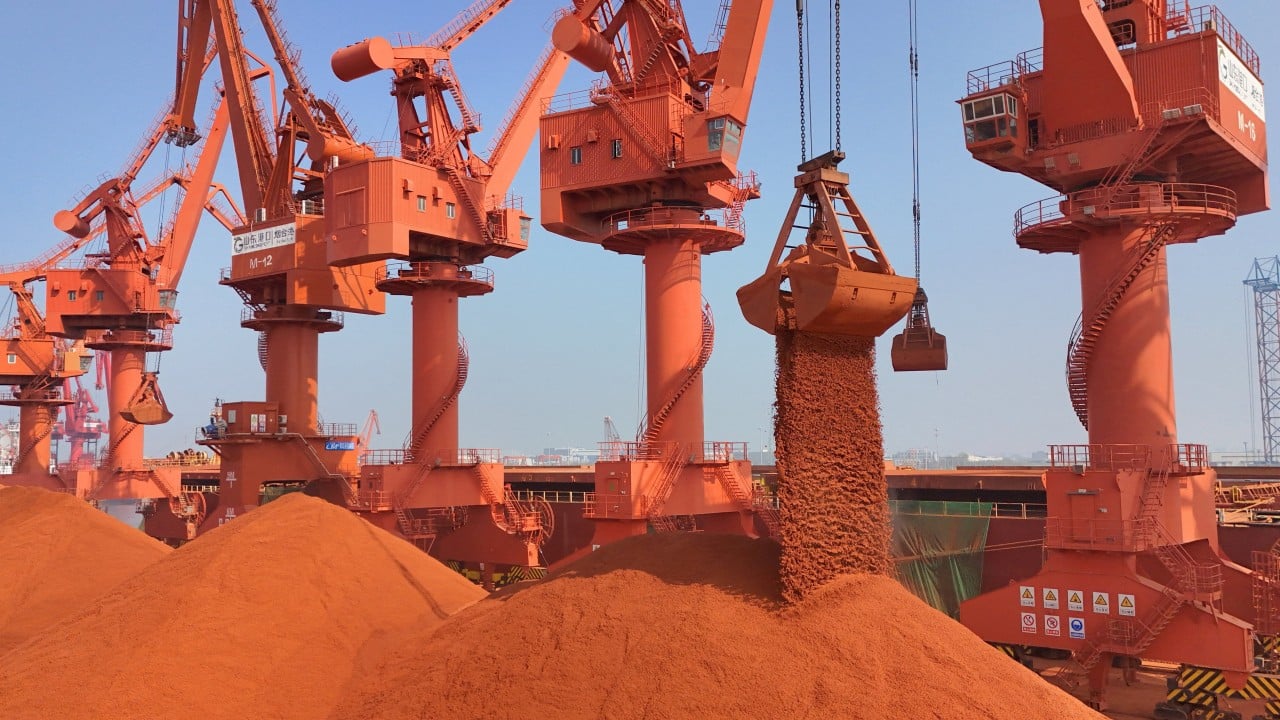
Australia's mining giants are playing a pivotal role in China's campaign to internationalize the yuan, increasingly adopting it for financing and settlements to diminish the US dollar's dominance.[1] As the world's top buyer of iron ore, China wields significant influence over global mining firms, encouraging a shift toward yuan-based transactions.[1] Companies like BHP, the largest mining firm globally, are among those transitioning, drawn by China's lower interest rates which provide an additional financial incentive.[1]
This trend reflects a broader strategy where Beijing uses its market power in commodities to promote the yuan's global acceptance.[1] Analysts emphasize that Australian miners' gradual move supports China's long-term goal of currency globalization, fostering alternatives to dollar-denominated trade.[1] By settling deals in yuan, these firms not only reduce exposure to US financial fluctuations but also align with China's economic diplomacy.[1] This development gains added relevance amid geopolitics in China, where economic tools intersect with diplomatic summits like Trump's meeting with Xi.[1]
US-China Relations and External Influences
US-China relations face multifaceted challenges, including historical sensitivities around Taiwan and China's prominent role in the Iran conflict.[2][3][5] American leaders have long walked a "verbal tightrope" on Taiwan policy, with past errors serving as warnings for Trump's current engagements.[2] As he meets Xi, these dynamics are amplified by the Iran war, where China's status as the largest buyer of Iranian oil grants it unique leverage over Tehran.[3]
Trump has publicly stated he does not require China's assistance to resolve the Iran conflict, yet Beijing's economic ties with Iran undermine US strategic options.[5][3] This positioning emboldens Xi, clipping Washington's influence as the war persists.[3] Broader geopolitical tensions, including those tied to Taiwan, further complicate bilateral ties, requiring careful navigation during the summit.[2] China's sway in such arenas illustrates how external conflicts ripple into US-China diplomacy, potentially shaping discussions on trade, security, and regional stability.[3][5]
Recent Diplomatic and Economic Developments
The United States has confirmed a delegation to the Apec 2026 Senior Officials’ Meeting (SOM2) and related events in China, announced mere hours after Trump departed for Beijing.[4] Scheduled in Shanghai and Suzhou from May 11 to 24, this mission underscores parallel tracks of US diplomacy in China.[4] The delegation's mandate is clear: to advance "America first" policies on foreign affairs, trade, and investment, reflecting Washington's determination to prioritize national interests amid high-level summits.[4]
This development highlights the interconnectedness of economic forums and presidential talks, as Apec gatherings provide a platform for trade negotiations.[4] Coming on the heels of Trump's summit preparations, it signals a comprehensive US approach to engaging China on economic fronts.[4] Such moves could influence investment flows and policy alignments, particularly as global supply chains evolve under shifting geopolitical pressures.[4]
Iran's Regional Maneuvers and China's Position
Iran is bolstering its dominance over the Strait of Hormuz through agreements with neighboring states like Iraq and Pakistan, facilitating oil and liquefied natural gas shipments from the region.[5] These deals tighten Tehran's grip on this critical chokepoint, heightening risks amid the ongoing war.[5] China, as Iran's top oil buyer and strategic ally, holds substantial influence, which the US acknowledges but downplays in public statements.[3][5]
Trump's assertion that he does not need Beijing's help to end the conflict contrasts with China's de facto leverage, derived from its economic dependencies with Tehran.[5][3] As the war enters its third month, this dynamic erodes US negotiating power during Trump's China visit.[3] Iran's Hormuz maneuvers, coupled with China's position, exemplify how Middle East instability feeds into broader US-China geopolitics.[5]
What to watch next: Outcomes from Trump's summit with Xi could clarify US stances on Taiwan and trade, while the Apec delegation's progress in Shanghai and Suzhou may signal shifts in "America first" investment strategies, and Iran's Hormuz deals continue to test China's oil-buying influence amid the war.[2][3][4][5]