
Geopolitics Global: Iran Weaponizes Strait of Hormuz, Shaking Energy Markets
Tehran has weaponized the Strait of Hormuz, disrupting the foundations of the global energy market.[4] This development, amid broader geopolitics global shifts, underscores interconnected tensions spanning energy supplies, transatlantic relations, defence strategies, and regional conflicts, as recent reports highlight.[1][2][3][4][5]
Overview of Emerging Global Tensions
The current landscape of geopolitics global reveals a web of escalating pressures, from energy chokepoints to alliance strains and territorial disputes. Iran's actions in the Strait of Hormuz have transformed a long-standing threat into an active disruption, fundamentally altering the dynamics of international energy flows.[4] This move comes alongside transatlantic frictions intensified by US President Trump's announcement of troop withdrawals from Europe, a decision analyzed in discussions involving NATO dynamics and Turkey's expanding global media operations.[1]
Further complicating the picture, Pakistan has voiced strong concerns at the United Nations over Israel's policies in the occupied West Bank. Pakistan's Permanent Representative to the UN, Ambassador Asim Iftikhar Ahmad, addressed an Arria-formula meeting, raising alarms about the systematic annexation of the territory, the expansion of illegal settlements, and the forced displacement of Palestinians.[5] He called for intervention by the global community, noting that these issues persist even as international attention is diverted by multiple regional crises.[5]
These developments are not isolated. The US troop withdrawal signals deeper rifts within NATO frameworks, with experts like Max Bergmann, Maria Demertzis, and Eitan Fischberger examining the implications during a discussion on platforms such as the "From NATO to Clash Report."[1] Turkey's role in global media operations adds another layer, potentially amplifying narratives that exacerbate transatlantic tensions.[1] Meanwhile, the shadow of Hormuz's closure has immediate ripple effects on energy-dependent economies worldwide.[4] Pakistan's UN intervention ties into this instability, emphasizing how longstanding Middle East conflicts intersect with broader geopolitical maneuvering.[5]
This overview sets the stage for understanding how these tensions—ranging from maritime disruptions to alliance realignments and diplomatic appeals—interlink, challenging the stability of global systems reliant on secure trade routes, reliable alliances, and resolved territorial disputes.[1][4][5]
Iran's Actions and Energy Market Disruptions
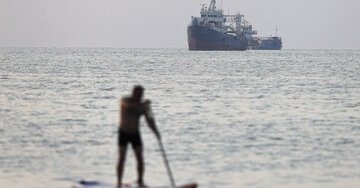
Iran's weaponization of the Strait of Hormuz marks a pivotal escalation, shifting from hypothetical threats to tangible realities that have "shattered the traditional foundations of the global energy market."[4] The strait, a critical artery for oil transport, now faces sustained interference capabilities that Tehran can maintain for years, according to analyses questioning the longevity of such strategies.[4]
Compounding this, the ongoing Iran war has triggered a surge in fossil fuel prices, with direct consequences for downstream industries.[3] In Asia, polyester suppliers and garment makers, particularly in India and Bangladesh, are under severe pressure. Companies like Filatex, one of India’s largest polyester yarn producers, report paying nearly 30% more for inputs due to these elevated costs.[3] This squeeze threatens to propagate higher expenses throughout the supply chain, impacting global fast-fashion retailers such as Zara and H&M.[3]
The interplay between military actions and market volatility is stark. As fossil fuel prices climb amid the conflict, manufacturers face margins erosion, prompting potential price hikes for consumers worldwide.[3] Iran's capacity to prolong disruptions in the strait amplifies these vulnerabilities, as the chokepoint's closure disrupts not just oil but the broader hydrocarbon ecosystem feeding petrochemicals like polyester.[4] Reports from outlets covering these shifts detail how the war's energy shockwaves are felt acutely in export-oriented textile hubs, where raw material costs dictate competitiveness.[3]
This disruption extends beyond immediate pricing; it forces industries to reassess supply chain resilience in an era where geopolitical flashpoints directly influence commodity flows.[3][4] The reality of Hormuz's weaponization thus reverberates through global trade, linking military posturing in the Middle East to economic pressures in Asia and beyond.[4]
Transatlantic and NATO-Related Shifts
US President Trump's announcement of withdrawing troops from Europe has significantly heightened transatlantic tensions, as dissected in expert analyses tied to NATO's evolving role.[1] Discussions featuring Max Bergmann, Maria Demertzis, and Eitan Fischberger, hosted by Thanos Davelis, probe the core message this decision conveys to allies and adversaries alike.[1]
The implications ripple through NATO structures, where reduced US presence challenges collective defense postures long taken for granted.[1] Turkey's global media operations emerge as a complicating factor, potentially shaping narratives that widen divides between the US and European partners.[1] This "From NATO to Clash Report" framework highlights how such moves signal a reevaluation of commitments, straining the alliance's unity at a time of multiple global pressures.[1]
The troop drawdown is not merely logistical; it carries strategic weight, prompting questions about burden-sharing and deterrence credibility within NATO.[1] Turkey's media influence, described as a "global operation," may exploit these fissures, broadcasting perspectives that align with Ankara's interests and further erode transatlantic cohesion.[1] As analyses unfold, the focus remains on decoding the broader geopolitical signaling, where US policy shifts intersect with regional actors like Turkey.[1]
These tensions underscore a pivotal realignment, with potential long-term effects on European security architectures dependent on American forces.[1]
India's Strategic Defence Evolution
India is accelerating its defence transformation, moving from dependence on imports toward self-reliance through targeted policies and increased domestic production.[2] Amid global supply chain challenges, the country is boosting defence spending to prioritize local manufacturing, foster exports, and enhance overall capabilities.[2]
Key initiatives like 'Make in India' and the Defence Acquisition Procedure (DAP) 2020 are central to this shift. These policies reshape procurement processes, encouraging indigenous production while allowing for foreign collaboration to build technological depth.[2] As a result, exports are rising, signaling India's emergence as a more autonomous player in the defence sector.[2]
The strategic pivot addresses vulnerabilities exposed by international disruptions, positioning India to navigate geopolitical pressures with greater resilience.[2] Domestic production gains are evident across platforms, from equipment to systems, reducing reliance on external suppliers.[2] This evolution not only bolsters national security but also opens avenues for economic growth via defence exports.[2]
In the face of supply chain fragilities—exacerbated by events like those in the Strait of Hormuz—India's focus on autonomy represents a pragmatic response to an unpredictable global order.[2]
International Responses to Regional Conflicts
Pakistan has taken a prominent stance at the United Nations, urging international intervention amid Israel's actions in the occupied West Bank.[5] Ambassador Asim Iftikhar Ahmad, Pakistan’s Permanent Representative, highlighted the systematic annexation, expansion of illegal settlements, and forced displacement of Palestinians during an Arria-formula meeting.[5]
This call for global community action comes as regional crises multiply, diverting attention from the West Bank's plight.[5] Pakistan's position frames these developments as urgent threats requiring collective diplomatic engagement.[5]
The intervention emphasizes the need for accountability, positioning the issue within broader instability where settlement growth and displacement undermine peace prospects.[5]
What to watch next
Ongoing monitoring of the Strait of Hormuz for prolonged disruptions, US-Europe alliance responses to troop shifts, India's defence export trajectories, and UN follow-ups to Pakistan's West Bank appeals will be critical as these tensions evolve.[1][2][4][5]