Geopolitical Tensions Escalate: Israel Criticizes NYC Mayor's Policies Amid Maduro's US Court Debut

Latest from X
Geopolitical Tensions Escalate: Israel Criticizes NYC Mayor's Policies Amid Maduro's US Court Debut
In a week marked by heightened international scrutiny, the United States finds itself at the center of geopolitical friction involving Israel and Venezuela. New York City Mayor Zohran Mamdani has drawn criticism from Israeli officials for reversing pro-Israel policies, while Venezuelan President Nicolas Maduro prepares for his first court appearance in New York on charges of narcoterrorism. These developments underscore the complex interplay between domestic U.S. politics and global alliances, raising concerns about antisemitism, sovereignty, and international law.
The controversy began on January 2, 2026, when Mayor Mamdani announced changes to New York City's policies, including the revocation of the International Holocaust Remembrance Alliance (IHRA) definition of antisemitism. This decision has been interpreted by some as a shift away from staunch support for Israel, prompting swift backlash from Israeli government representatives. Critics argue that the policy change could embolden antisemitic rhetoric and activities, especially amid ongoing global debates about the Israeli-Palestinian conflict. The move is seen as part of a broader trend in U.S. cities where local leaders are reevaluating foreign policy alignments in response to domestic pressures.
Posts on X from verified accounts, including those associated with geopolitical analysts and journalists, have amplified discussions around Mamdani's statements. For instance, sentiments expressed in these posts highlight concerns over U.S. funding for Israel's actions, with some users pointing to the mayor's remarks as reflective of growing public unease. While these posts provide insight into current public discourse, they remain inconclusive and vary in perspective, underscoring the polarized nature of the topic. This online chatter adds context to the broader debate, illustrating how social media platforms are shaping perceptions of U.S. foreign policy.
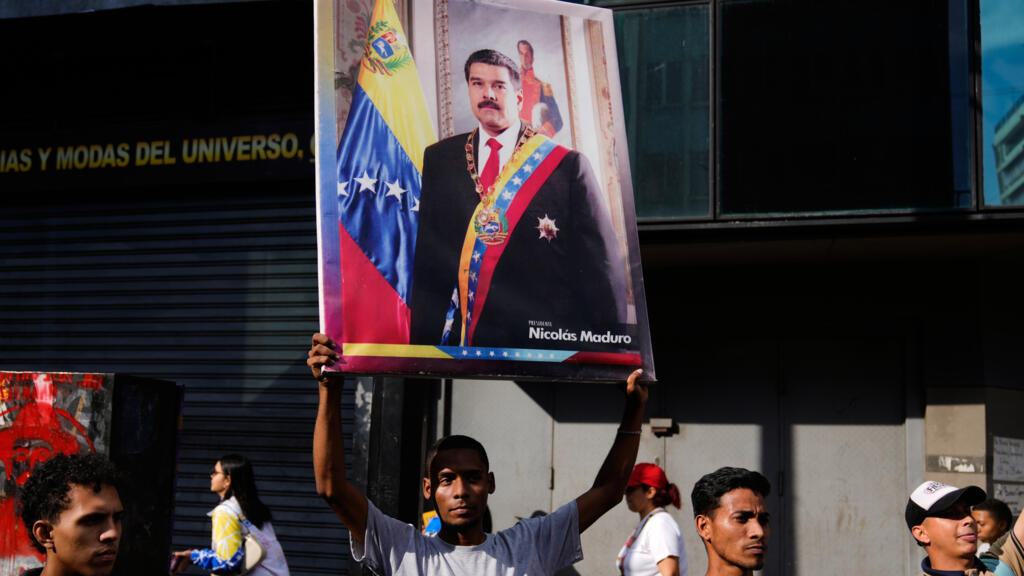
Simultaneously, the detention and impending court appearance of Nicolas Maduro have injected further complexity into the situation. Maduro, the Venezuelan leader, was captured during a U.S.-led military operation in Caracas on January 3, 2026, and is now facing federal charges in New York related to alleged cocaine trafficking and narcoterrorism ties. According to reports from France24, Maduro's appearance in a New York court on January 5, 2026, marks a significant escalation in U.S.-Venezuela relations, potentially destabilizing the region. The operation has been described as a bold assertion of U.S. extraterritorial influence, drawing condemnation from various international quarters for violating Venezuelan sovereignty.
Mayor Mamdani's response to Maduro's transfer has added a local dimension to this international drama. As reported through posts on X from verified sources, including accounts linked to political commentators, the mayor has voiced strong objections, labeling the action as an "act of war" and expressing concerns about its impact on New York City's Venezuelan community. These statements suggest a potential rift between city-level governance and federal foreign policy, highlighting how global events can reverberate in urban centers like New York. However, given the inconclusive nature of social media content, these views represent a snapshot of sentiment rather than definitive evidence.
The backdrop to these events is a history of strained U.S. relations with both Israel and Venezuela. The U.S. has long been a key ally to Israel, providing substantial military and financial support, but recent years have seen increasing domestic criticism of this partnership, particularly over human rights issues in the Middle East. Meanwhile, tensions with Venezuela stem from economic sanctions imposed by the U.S. since 2019, amid accusations of corruption and human rights abuses under Maduro's regime. Mamdani's policies and statements appear to align with a growing segment of U.S. progressives who advocate for a reevaluation of these alliances, potentially influencing future electoral dynamics.
As these developments unfold, the implications for U.S. geopolitics are profound. The criticism from Israel could strain bilateral relations at a time when the Middle East remains volatile, while Maduro's case might provoke retaliatory actions from Venezuela or its allies, such as Russia and China. For New York City, the convergence of these issues raises questions about the role of municipal leaders in international affairs and the protection of diverse communities. Observers will be watching closely as Maduro's court proceedings begin, with potential outcomes that could either defuse or exacerbate global tensions.
In conclusion, the intertwining of local policy decisions in New York with major international events highlights the far-reaching effects of U.S. actions on the global stage. As debates continue, the focus will remain on balancing domestic priorities with diplomatic responsibilities, ensuring that any resolutions prioritize stability and human rights. (Word count: 652)
Track this story live
Live World Map
Monitor global events in real time with a live activity map and hotspot summaries.
Markets
Connect live events to Catalyst market signals across crypto, commodities, indices, and forex.
Geopolitical Risk
Live geopolitical risk index tracking conflict zones, sanctions, and global threat levels.
Original Sources
- •
Editorial process: This article was synthesized from the original sources cited above using The World Now's AI editorial system, with byline accountability from our editorial team. We grade every story for source grounding, factual coherence, and on-topic match before publication. Read more about our editorial standards and contributors. Spot something inaccurate? Let us know.
Last updated: March 7, 2026