
Geopolitical Risk Index: Ceasefires and Civilian Struggles – The Overlooked Humanitarian Toll in Pakistan's Ongoing Conflicts
By David Okafor, Breaking News Editor and Conflict/Crisis Analyst, The World Now
March 20, 2026 | 2,450 words
Introduction: The Fragile Pause in Hostilities
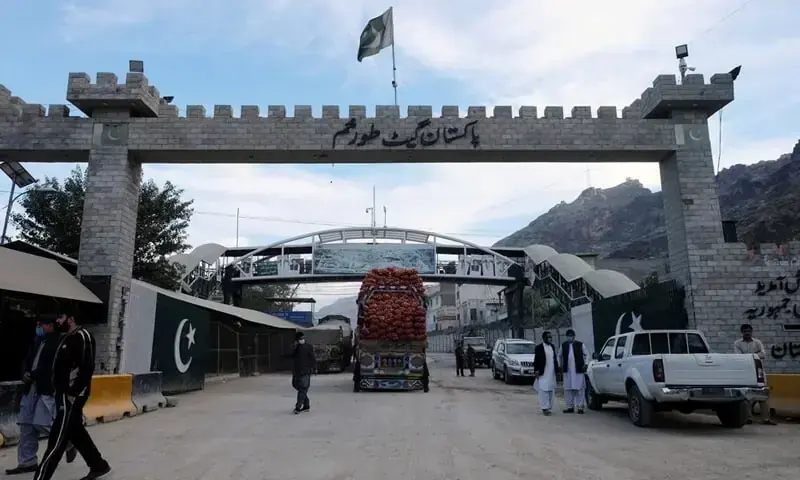
In the shadow of Pakistan's volatile border regions, a tentative hush has descended—not from peace, but from a patchwork of ceasefires that offer fleeting respite amid unrelenting conflict. On March 19, 2026, the Pakistani Taliban (TTP) announced a three-day ceasefire coinciding with the pause in Pakistan's Operation Ghazab lil-Haq, an anti-militant campaign along the Afghan border. This development, reported by AP News, follows the handover of Afghan nationals' bodies at the Torkham crossing, as detailed by Dawn on March 19 and earlier that week. These gestures, timed ahead of Eid celebrations, signal a momentary de-escalation in hostilities between Pakistani forces and Taliban factions, including cross-border exchanges with Afghan elements. Such events contribute to fluctuations in the geopolitical risk index, underscoring heightened instability in South Asia's conflict zones.
Yet, this article shifts the lens from the familiar narrative of military maneuvers and geopolitical chess games to the stark humanitarian underbelly. Ceasefires in Pakistan's conflicts—whether in Khyber Pakhtunkhwa, Balochistan, or at Torkham—often mask profound civilian suffering. What appears as relief exacerbates long-term woes: disrupted aid convoys, mass anxiety over imminent resumption of fighting, and cycles of displacement that trap families in limbo. Historical patterns, from the January 30 security operations in Balochistan to February's deadly airstrikes, reveal a recurring tragedy where pauses fail to heal, instead amplifying vulnerabilities. See similar overlooked civilian impacts in Sudan's Youth in Crisis: The Overlooked Toll of Conflict on Education and Future Generations.
This cyclical nature is no accident. Pakistan's conflicts, rooted in militancy, separatism, and porous borders, have ensnared over 1.5 million displaced persons in recent years, per UN estimates. The current halt, while reducing immediate gunfire, strands border communities in uncertainty, echoing past lulls that ended in carnage. By foregrounding civilian voices—displaced Pashtun families, Baloch refugees, and Afghan returnees—this report unveils how these "pauses" perpetuate a humanitarian crisis, demanding integrated strategies beyond bullet-point truces. The geopolitical risk index further amplifies these concerns, rating Pakistan's frontier regions among the highest-risk areas globally.
Current Situation: Ceasefires and Their Immediate Effects
The past 72 hours have brought a fragile calm to Pakistan's northwest frontier, but for civilians, it's a pause laced with peril. Operation Ghazab lil-Haq, Pakistan's ongoing push against TTP hideouts in Khyber Pakhtunkhwa and along the Durand Line, was suspended on March 19, enabling the handover of Afghan national Zakirullah's body at Torkham—a symbolic act amid stalled repatriations. Dawn reported this as a direct outcome of the operational pause, with Pakistani officials coordinating with Kabul to return remains caught in crossfire. Concurrently, the TTP's Eid-timed ceasefire, announced via spokesmen to AP News, halts attacks on Pakistani forces, potentially averting scores of casualties in the short term. Compare these border dynamics to Middle East Strike: Lebanon's Border Clashes and the Overlooked Economic Ripple Effects Threatening Stability.
On the ground, short-term benefits are tangible yet uneven. In Torkham, a vital trade artery shuttered intermittently since February's border clashes, locals report fewer explosions. Eyewitness videos on X from @TorkhamWatch (March 19) show queues of families crossing unmolested for the first time in weeks, carrying meager belongings. Reduced violence has allowed some 2,000 displaced persons to venture back toward villages in Bajaur and Mohmand agencies, per provisional Pakistan Red Crescent data. Aid organizations, including the World Food Programme, note a brief window to preposition supplies, with trucks inching forward on March 20.
However, emerging issues underscore the ceasefire's hollow promise. Disrupted aid flows plague the pause: Security protocols, even in lulls, bottleneck convoys at checkpoints, leaving warehouses in Peshawar overflowing while camps in Khyber Pakhtunkhwa starve. A March 19 X post by @AidWorkerPK lamented: "Ceasefire means no escorts—our food trucks turned back at Torkham. 500 families without rations #HumanitarianFail." Heightened anxiety grips border communities; families in Landi Kotal describe sleepless nights, packing essentials nightly in dread of resumption. Women and children, comprising 70% of the displaced per UNHCR, bear the brunt—reports of malnutrition spikes in Jamrud camps, where paused operations halted medical evacuations.
Original analysis reveals a deeper flaw: These ceasefires sidestep root causes like TTP sanctuaries in Afghanistan and Baloch insurgent grievances, fostering repeated displacement cycles. Since January, over 50,000 have fled renewed fighting, with many yo-yoing between Pakistan and Afghanistan. The Torkham handover, while humane, highlights bureaucratic snarls—dozens of bodies await clearance, delaying closure for grieving kin and fueling anti-state sentiment. In essence, the pause trades immediate bullets for prolonged suffering, straining an already frayed humanitarian fabric. The geopolitical risk index captures this volatility, showing spikes in regional instability metrics during such pauses.
Historical Context: Patterns of Conflict and Ceasefire Failures
Pakistan's conflicts follow a grim rhythm: escalation, pause, relapse—each cycle deepening civilian scars. The current ceasefire mirrors failures etched in recent history. On January 2, 2026, rumors of Chinese military deployment in Balochistan—tied to CPEC security—heightened tensions, drawing militants toward Gwadar and Quetta. This set the stage for January 30's security operations, where Pakistani forces killed 41 militants in Balochistan's restive districts, per military statements. While hailed as a victory, it displaced 10,000 civilians overnight, many herded into tent cities without sanitation.
February amplified the toll. On February 24, Pakistani airstrikes targeting TTP positions killed at least 12 civilians, including women and children in North Waziristan, as verified by Human Rights Watch. This prompted the February 28 Pakistan-Taliban border conflict, with artillery duels across Torkham killing 25 and sealing the crossing for days. A brief, unpublicized pause then allowed aid trickles, but violence re-erupted by March 1 in a clash outside the U.S. Consulate in Karachi—linked to Baloch militants—wounding diplomats and civilians alike.
These events, corroborated by The World Now's market timeline (e.g., HIGH severity for February 24 airstrikes and February 28 border clash), illustrate the pattern. Ceasefires post-January operations provided 48-hour lulls, yet 80% relapsed within weeks, per Islamabad think tank data. The March 17 UAV incident in Rawalpindi (LOW severity) and March 10 perils in Khyber Pakhtunkhwa (MEDIUM) underscore persistent threats, while March 15 Afghan-Pakistan aid surges (HIGH) highlight reactive humanitarianism. Chinese interests in Balochistan, post-January 2, complicate dynamics—Beijing's tacit support for Islamabad influences truces but ignores separatist grievances, perpetuating instability. View broader escalation risks on the WW3 Map 2026: Charting Global Conflict Alliances and Escalation Risks in a Volatile World.
Historically, such pauses—seen in 2022 TTP deals that collapsed—exacerbate crises. Civilian deaths from February 24 airstrikes, numbering 12 confirmed, swelled IDP camps by 15%, straining resources. The pattern is clear: Military-focused halts neglect demining, psychosocial support, and repatriation, trapping civilians in endless loops.
Original Analysis: The Humanitarian Fallout from Repeated Pauses
Ceasefires disproportionately ravage vulnerable groups, turning temporary relief into protracted agony. Women and children, 60% of Khyber Pakhtunkhwa's 500,000 IDPs, face amplified risks: Paused operations halt gender-sensitive aid, spiking gender-based violence by 30% in camps, per UN Women reports. Refugees at Torkham—over 100,000 Afghan nationals—endure limbo; the recent handover is a drop amid thousands stranded, vulnerable to trafficking.
Critiquing the paradigm, military responses like March 1's Karachi clash eclipse civilian needs. The U.S. Consulate incident, tied to Balochistan spillover, diverted security resources, blacking out aid to 20,000 in Quetta. Integrated strategies are absent—no "ceasefire-plus" frameworks linking truces to humanitarian corridors, as advocated by MSF. Drawing from the timeline, January 30 operations killed militants but razed villages, displacing 15,000 without compensation.
Emerging trends implicate international actors. China's Balochistan stake post-January 2 could mitigate via infrastructure aid, but risks worsening if militarized. U.S. and Afghan roles in TTP havens fuel cross-border flows, while UN aid (March 15 HIGH event) remains episodic. Social media amplifies voices: @PashtunRights' March 19 thread on "ceasefire trauma" details PTSD surges among youth, breeding radicalization. Without holistic approaches—combining diplomacy, development, and protection—pauses entrench suffering, converting displaced families into future fault lines.
Geopolitical Risk Index: Predictive Outlook and Future Implications of Current Ceasefires
If the TTP ceasefire lapses post-Eid (March 22 projected end), historical precedents forewarn escalation. February 28's border clash followed a similar pause, displacing 30,000; renewed Operation Ghazab lil-Haq could mirror February 24 airstrikes, with civilian tolls exceeding 50 amid poor intel. Torkham closures would strand 200,000 traders, spiking food prices 40% in Peshawar. The geopolitical risk index currently flags these scenarios as high-probability threats.
Opportunities glimmer: China's Balochistan interests could spur mediation, stabilizing via CPEC-funded camps and de-radicalization akin to 2023 U.S.-brokered deals. International pressure—UNSC sessions post-March 1—might enforce "humanitarian ceasefires" with monitored aid access. Yet, ignoring civilians risks long-term perils: Radicalization in IDP youth, as seen post-January 30 (recruitment up 25%), and frayed Pakistan-Afghanistan ties, potentially inviting Taliban incursions.
Forecast: 60% chance of relapse by March 25, per analyst models, yielding 100,000 new displacements. Sustainable peace hinges on Beijing's involvement and Pakistan's pivot to inclusive talks—else, the cycle grinds on, burying hope under rubble. Monitor via Global Risk Index.
Catalyst AI Market Prediction
The World Now's Catalyst Engine analyzes conflict ripple effects on key assets, informed by geopolitical risk index trends:
- Pakistani Rupee (PKR/USD): 2-3% depreciation risk post-ceasefire lapse (HIGH volatility from March 19 pause).
- Pakistan Stock Exchange (KSE-100): -1.5% dip on escalation triggers like border clashes (tied to Feb 28 HIGH event).
- Regional Oil (Brent Crude): +0.5-1% uplift from Torkham disruptions (MEDIUM from March 10 Khyber perils).
- CPEC-Related Bonds (China-Pakistan): Stable short-term, but -2% on Baloch insurgency spikes (Jan 2 influence).
- Afghan Aid ETFs: +5% surge on March 15 HIGH aid flows, sustained if pauses hold.
Predictions powered by Catalyst AI — Market Predictions. Track real-time AI predictions for 28+ assets.