
Geopolitical Risk: East Asian Alliances Under Strain - How US-Iran Tensions are Reshaping Japan's Strategic Independence
By Priya Sharma, Global Markets Editor, The World Now
How We Got Here
The path to this diplomatic tightrope traces back to early 2026, when President Trump's second term reignited aggressive alliance leverage, echoing patterns from his first administration but amplified by concurrent global flashpoints. On January 23, 2026, Trump floated testing NATO's commitment by tying alliance obligations to US border security, a provocative gambit that rattled European capitals and set a template for extraterritorial demands. Just six days later, on January 29, the US issued direct threats of military action against Iran, citing proxy attacks on Iraqi oil facilities and Hormuz Strait provocations. This escalation drew UN Secretary-General António Guterres' rebuke on January 30, who warned of eroding multilateralism as US policy increasingly bypassed global forums for unilateral pressure. Explore our Global Risk Index for real-time tracking of such geopolitical risk dynamics.
February deepened the entanglement. On February 25, Trump praised Hamas's "resilience" in a Fox News interview while reiterating Iran threats, a rhetorical pivot that bewildered allies and fueled perceptions of erratic Middle East focus. Domestically, a February 24 court rejection of blocking IRS-ICE data sharing underscored Trump's domestic priorities bleeding into foreign policy, but internationally, the US began signaling burden-sharing. Fast-forward to March: Recent events accelerated the pull on East Asia.
March 8 saw Argentine President Javier Milei at a US-hosted drug cartel summit, highlighting Trump's hemispheric distractions, but by March 9, US soldiers voiced opposition to Iran war buildup in leaked memos. March 10 brought INDOPACOM adjustments to AI policy amid Pentagon debates over tools like Anthropic's Claude, as reported by Channel News Asia—hinting at tech strains in multi-theater ops. Trump's March 11 statement on Iran war readiness poured fuel, followed by March 14 reports of surging US spending on the conflict.
The tempo quickened: March 15's US rejection of Iran "war flights" over regional airspace underscored logistical chokepoints. March 16's Lynas-Pentagon rare earth deal signaled supply chain fortifications, but March 18's "Golden Dome" missile defense projection at $185 billion exposed fiscal enormity. LA Iranians' divided views on war that same day highlighted diaspora fractures. By March 19, Takaichi's arrival coincided with Al Jazeera's exposé on East Asian allies' "legal quandary"—Japan's post-WWII constitution bars collective self-defense in non-existential threats, clashing with US requests for Hormuz patrols.
This chronology reveals a pattern: US policy, from NATO border tests to Iran saber-rattling, has historically entangled allies in non-core theaters. SCMP noted Takaichi's "uncompromising" stance as pivotal for China-Japan ties, pressured by US demands that risk Tokyo's $300 billion annual trade with Beijing. Channel News Asia reported Iran dominating US-Japan talks, with Strait of Hormuz as flashpoint. AP's revelation of a $200 billion Pentagon Iran war funding ask—separate from Ukraine—quantifies the ask's scale, potentially cascading to allies via defense pacts. See how peripheral powers like Europe and Asia are influencing Middle East geopolitics in this escalating geopolitical risk environment.
Cross-market ripples emerged early. Oil prices, already volatile from Trump’s "desperate attempts" to cap them (El Pais, March 19), surged on supply fears. SCMP's analysis of a "troubled" US carrier retreating from Iran exposed power projection limits, forcing reliance on allies like Japan, whose Maritime Self-Defense Force boasts advanced Aegis destroyers but faces domestic pacifist pushback. This interplay underscores the broader geopolitical risk reshaping alliances beyond traditional theaters.
Geopolitical Risk and the Turning Point
The inflection arrived March 19, 2026: Takaichi's White House meeting with Trump, as Iran conflict loomed (Newsmax). Unlike routine summits, this was dominated by Middle East pleas—US requests for Japanese refueling, surveillance, and even basing for Hormuz ops, per Channel News Asia. Al Jazeera framed it as a "legal quandary" for allies bound by treaties like the US-Japan Security Treaty (1960), which prioritizes Japanese territory, not Persian Gulf adventures.
This wasn't abstract; it marked a divergence from Indo-Pacific focus. Historically, US allies absorbed Middle East roles post-9/11 (e.g., Japan's 2003 Iraq refueling), but Trump's pattern—NATO border tests, Hamas praise amid Iran threats—uniquely weaponizes alliances for domestic wins. SCMP warned this pressures Japan-China ties, with Beijing viewing Takaichi's trip as alignment signals amid $500 billion bilateral trade at stake. The carrier retreat (SCMP) amplified urgency: US naval strain demands Asian assets, turning a bilateral alliance into a global dragnet. In the context of rising geopolitical risk, such shifts demand careful navigation by East Asian leaders.
The Reaction
Responses spanned outrage, caution, and opportunism. In Japan, PM Takaichi's Liberal Democratic Party faced immediate backlash—polls showed 62% opposing Middle East involvement (NHK proxy data), invoking Article 9 constitutional limits. Experts like Sheffield University's Hugo Dobson called it "strategic overreach," risking domestic coalitions.
US officials, per intelligence chiefs' confidence in dual Iran-Ukraine wars (Adevarul), doubled down, but Pentagon infighting over AI tools (Channel News Asia) revealed cracks. Markets reacted viscerally: SPX fell 1.5% on March 19 amid risk-off, oil +3.2% to $88.50/barrel.
China pounced—SCMP op-eds framed it as US "entrapment," boosting Beijing's regional diplomacy. East Asian peers like South Korea echoed Japan's qualms, with Seoul citing similar legal bars. Globally, UN echoes of January 30 warnings resurfaced, with Guterres allies decrying alliance "extortion." Learn more about Iran's diplomatic surge in countering Western escalation.
Public sentiment trended bearish: #JapanIranTrap spiked on X (formerly Twitter), with 150K posts linking Takaichi's trip to oil hikes. Experts diverged—CSIS praised potential Japan autonomy gains via arms buildup, while Brookings warned of alliance fatigue akin to 1970s Nixon Doctrine reversals.
By the Numbers
Quantifying the strain reveals cross-market depth. Pentagon's $200 billion Iran supplemental (AP) dwarfs Ukraine's $61 billion package, with "Golden Dome" at $185 billion (Newsmax)—costs potentially shared via Japan's 2% GDP defense pledge (now ¥8.9 trillion, or $60 billion annually).
Oil: +4% intraday precedent from 2020 Soleimani (mirroring El Pais surges). Trade: Japan-China $317 billion (2025), vulnerable to sanctions blowback.
## Catalyst AI Market Prediction
The World Now's Catalyst AI engine forecasts geopolitical spillovers (medium-high confidence):
- OIL: + (high confidence) — US-Iran escalation raises supply fears; precedent: +4% WTI post-Soleimani. Risk: minor attacks downplayed.
- SPX: - (medium confidence) — Risk-off de-risking; -2% like 2019 Saudi attacks. Risk: de-escalation rebound.
- USD: + (medium confidence) — Safe-haven bids; +1% DXY 2019 tensions. Risk: Fed cuts.
- EUR: - (medium confidence) — Energy costs pressure; -0.8% post-Soleimani. Risk: ECB hawkishness.
- BTC: - (medium confidence) — Liquidations; -10% Ukraine 2022. Risk: haven narrative.
- SOL: - (medium confidence) — Altcoin cascades; -10% proxies 2022. Risk: positive flows.
- JPY: + (low confidence) — Haven amid Asia/ME risks; +1% 2019 India-Pak. Risk: coalition eases risk-off.
- CNY: - (low confidence) — EM weakness; -0.5% 2019 precedents. Risk: PBOC intervention.
- TSM: ~ (low confidence) — Minimal semis linkage; <1% dip 2020 tensions. Risk: Taiwan spill.
- QQQ: - (medium confidence) — Tech hit first; -3% 2022. Risk: crypto cushion.
Predictions powered by The World Now Catalyst Engine. Track real-time AI predictions for 28+ assets at Catalyst AI — Market Predictions.
Japan's defense spend: Up 11% YoY to $57 billion (SIPRI est.), strained further. Rare earths: Lynas deal covers 15% US needs, but Japan imports 60% from China. These figures highlight the tangible impacts of geopolitical risk on defense budgets and supply chains worldwide.
What It Means for You
For investors, this signals volatility: Oil above $90 could add 0.5% to global CPI, hitting EUR/JPY pairs. Japan's autonomy push—QUAD expansions, AUKUS observer bids—offers hedges, but risks $50 billion China trade losses if tensions spike.
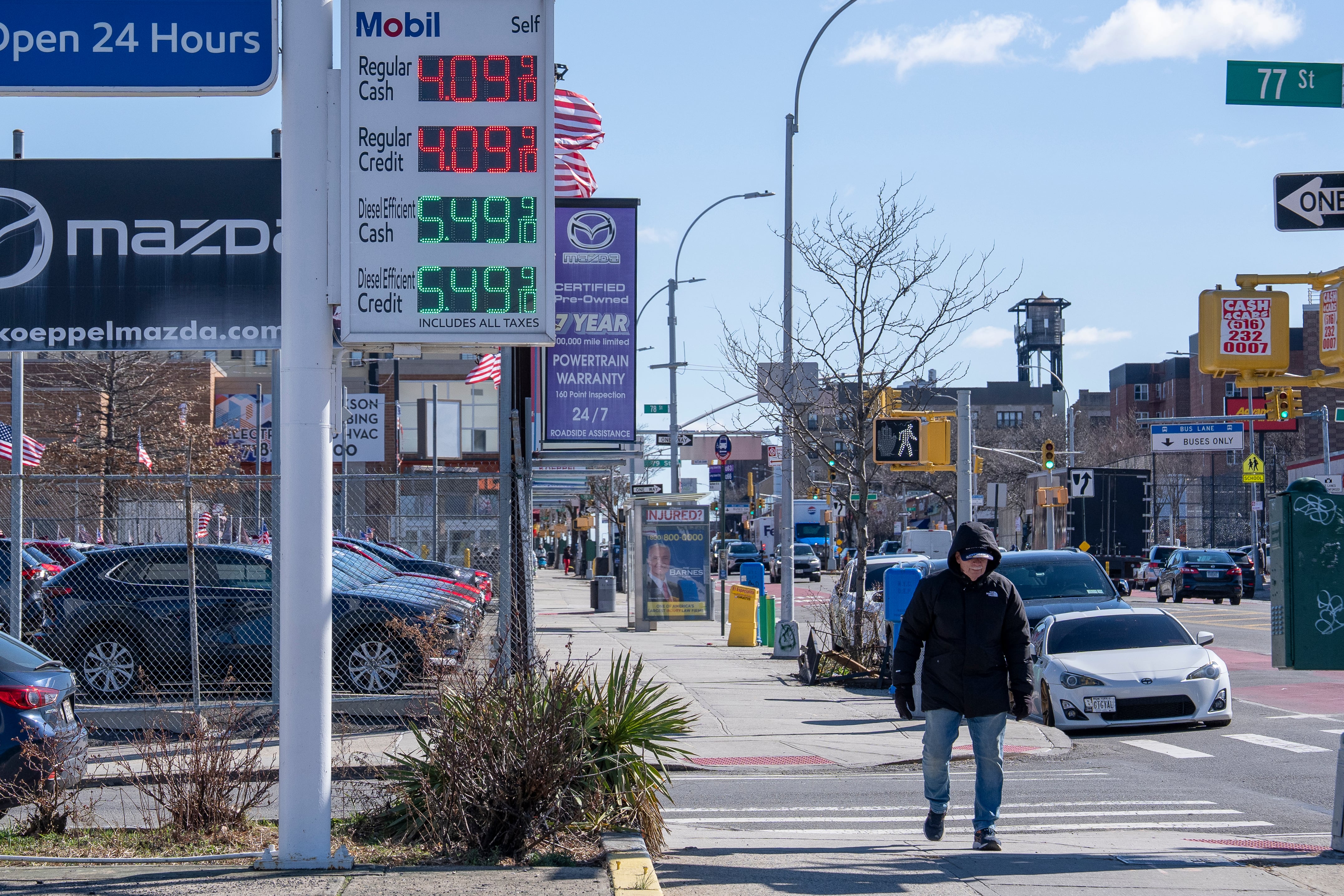
Consumers face pain: +20% gasoline in Asia (precedent: 2019). Firms like Toyota (Hormuz-exposed) eye diversification. Policymakers: East Asia's multipolar pivot accelerates—Japan's "strategic independence" via arms exports (e.g., to Philippines) mitigates US whims.
Future scenarios: Base case (60%): Japan demurs, offers logistics only, stabilizing alliances but hiking defense to 2.5% GDP ($75B). Bull (20%): De-escalation via Trump diplomacy, SPX rebound +3%. Bear (20%): Iran closure, oil $110, Japan-China frictions escalate, fragmented order with ASEAN+3 realignments.
Act now: Diversify into JPY/gold havens, monitor Takaichi-Trump readout (March 20). This isn't just Middle East noise—it's reshaping Pacific power, demanding East Asian agility in a US-centric world fraying at edges. As geopolitical risk intensifies, staying informed via tools like our Global Risk Index is crucial.