
Geopolitical Dominoes: Linking Middle East Tensions to Latin American Shifts in a New Era of Global Alliances
By Yuki Tanaka, Tech & Markets Editor, The World Now
In an era where global conflicts no longer respect regional boundaries, recent escalations in the Middle East are sending shockwaves far beyond the Persian Gulf, unexpectedly reshaping alliances in Latin America. The unique angle here is the underreported interconnections: actions like Argentina's bold declaration labeling Iran's Revolutionary Guard Corps (IRGC) as terrorists—celebrated by the U.S. government—and Cuba's mass prisoner pardons amid eased U.S. fuel blockades are not isolated regional maneuvers. They reveal emerging alliance patterns that bypass traditional superpowers like the U.S. and Russia, fostering multipolar networks driven by shared economic interests and anti-hegemonic sentiments. This contrasts sharply with past analyses focused on isolated crises or Cold War-style non-alignment, highlighting instead a "domino effect" where Latin American shifts amplify Middle East tensions and vice versa.
This article structures the analysis as follows: first, historical context drawing parallels from early 2026 timelines to underscore escalating patterns; second, current dynamics unveiling unseen regional links; third, original insights into reshaping alliances; and finally, a predictive outlook on future trajectories. Understanding these interconnections is crucial, as they signal a fresh perspective on global trends: no longer bipolar or unipolar, but a web of pragmatic, resource-driven pacts that could redefine power balances by 2027. These dynamics underscore the growing importance of tracking Global Risk Index metrics to anticipate such cascading effects across continents.
Introduction: The Interconnected Web of Global Geopolitics
The spark igniting global conversations began with a flurry of high-stakes events in early April 2026. U.S. President Donald Trump issued stark threats against Iran, warning of strikes on bridges and electric plants in retaliation for escalating attacks, as reported by Newsmax. Concurrently, U.S. forces were "searching for a downed pilot" in Iranian airspace, while a Kuwaiti water plant was hit amid broader regional skirmishes, per The New Arab. Israel's intensified operations, including limiting Good Friday ceremonies at the Holy Sepulchre by banning worshippers (Middle East Eye), added fuel, as did Ukrainian President Volodymyr Zelenskyy's public request for American THAAD air defense systems (Ukrainska Pravda).
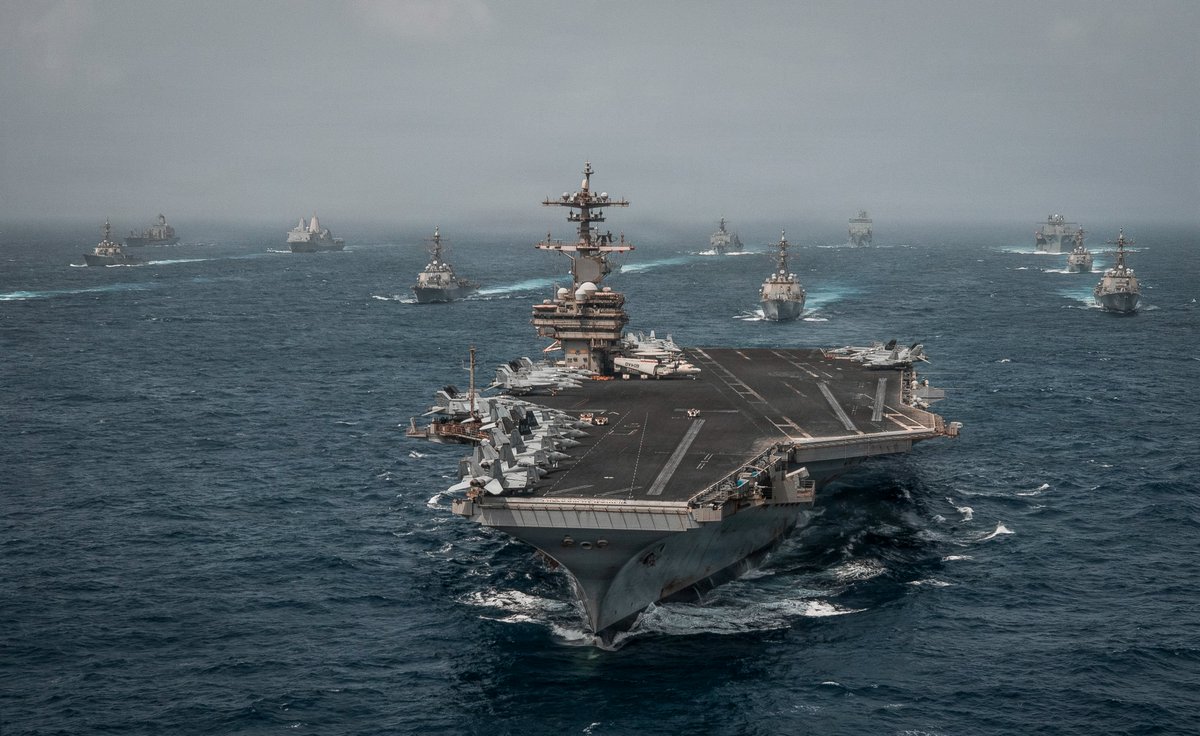
These Middle East flashpoints captured headlines for their immediate risks—potential oil supply disruptions via the Strait of Hormuz and civilian infrastructure threats. Yet, the real intrigue lies in their Latin American echoes, detailed further in our coverage of Iran's Geopolitical Storm: Strait of Hormuz Crisis and the Rise of Non-Western Powers in Persian Gulf Tensions. Argentina's President Javier Milei declared the IRGC a terrorist organization, a move the U.S. government hailed as a "significant step," according to Clarin. Meanwhile, Cuba announced pardons for over 2,000 prisoners as the U.S. eased its fuel blockade (The Guardian), signaling tentative thaws that could ripple into broader sanction narratives affecting Iran. Explore Cuba's broader context in Cuba's Internal Economic Transformation: How Geopolitical Shifts Are Sparking Domestic Innovation Amid Global Isolation.
Latin America's maneuvers are influencing Middle East dynamics in unprecedented ways. Argentina's alignment with U.S. interests on Iran pulls the Southern Cone into anti-Tehran coalitions, potentially opening doors for Latin-Middle East trade pacts that sidestep Washington. Cuba's reforms, born of isolation, mirror Iran's internal pressures, fostering solidarity among sanctioned states. This creates a ripple effect: Middle East instability boosts oil prices, straining Latin economies but incentivizing new alliances with China or Gulf states. A fresh perspective is needed because traditional coverage silos regions—Middle East as U.S.-Iran proxy wars, Latin America as domestic populism—missing how these form a new global web, much like the patterns of Neutrality's Double-Edged Sword: How Global Non-Alignment is Fueling Instability in Geopolitics.
Historical Context: Echoes from 2026 Timeline in Today's Conflicts
To grasp today's tensions, we must revisit the 2026 timeline's early harbingers, framing current events as escalations of long-brewing patterns. On April 2, 2026, Iran issued threats to Middle East water resources, a resource-based gambit amid climate strains and regional disputes. This directly parallels recent U.S.-Iran airstrikes and Trump's infrastructure threats, where water and energy infrastructure (like Kuwait's hit plant) become weapons. Historical precedent shows such escalations: Iran's 2026 water saber-rattling echoed 2019's Abqaiq attacks, spiking oil 15% and foreshadowing today's Strait of Hormuz brinkmanship. These resource conflicts highlight the strategic vulnerabilities that continue to drive geopolitical maneuvering, with water scarcity acting as a multiplier for tensions in arid regions.
China's role deepens the pattern. On the same date, Beijing warned the UN against Mideast military operations while reports emerged of infiltration in Taiwan. Fast-forward to now: China's sharp rebuke of Iran over the Strait of Hormuz, as detailed in the South China Morning Post, positions Beijing as a diplomatic swing player alongside Europe. This long-term strategy—balancing energy security with anti-Western posturing—influences global alliances, much like its 2026 UN stance. China's recent urging of respect for Palestinian rights after Israel's death penalty law (Dawn) further illustrates selective mediation, exploiting U.S. distractions. Such diplomatic finesse allows China to expand its influence without direct confrontation, a tactic increasingly emulated by emerging powers.
Non-Western power plays draw from other 2026 precedents. Romania's consideration of canceling an Elbit drone deal highlighted NATO fractures, mirroring Germany's voiced concerns over Trump (recent timeline, April 3, 2026). U.S. sanctions threats over a Mexico mine on April 2, 2026, prefigure broader economic coercion, pushing Latin nations toward alternatives. These echoes reveal resource conflicts (water, mines, oil) as alliance shapers: Iran's water threats then fuel today's Hormuz fears, while U.S. pressures on Mexico echo Argentina's defiant IRGC stance. Indonesia's energy shift amid the "Iran war" (April 3 timeline) underscores global ripples, as Asian economies pivot from vulnerable chokepoints. This interconnected resource competition is a key driver, often overlooked in siloed regional reporting.
This historical lens illuminates overlooked patterns: 2026's projected escalations weren't hypotheticals but trendlines. They inform why Latin America now factors into Middle East calculus—shared sanction scars and resource vulnerabilities forge bonds bypassing superpowers.
Current Dynamics: Unseen Links Between Regions
Peeling back the layers reveals intricate ties. Argentina's IRGC terrorist label, live-updated by Clarin, aligns Milei's libertarian government with U.S. hawks, celebrated in Washington. This isn't mere rhetoric: it positions Argentina as a Latin foothold in anti-Iran alliances, potentially exporting energy to Israel or hosting joint drills. U.S. Defense Secretary sacking a top army general (Bangkok Post) amid these cheers suggests internal realignments to capitalize. Such moves reflect a broader U.S. strategy to build coalitions beyond traditional allies, incorporating unconventional partners like Argentina to counter Iranian influence.
Cuba's dynamics add nuance. Pardoning 2,000+ prisoners as U.S. eases fuel blockades (Guardian) indicates domestic innovation—economic liberalization to court investment—amid isolation. This indirectly bolsters Iran's sanctions narrative: Havana's resilience inspires Tehran's hardliners, while eased U.S. pressures hint at selective diplomacy. Israel's Holy Sepulchre restrictions (Middle East Eye) and Zelenskyy's THAAD plea amplify divides, with emerging economies like China mediating. Beijing's Hormuz swing (SCMP) exploits this, offering Iran economic lifelines via Belt and Road extensions to Latin America. These extensions could transform trade routes, linking Latin commodities directly to Asian markets and reducing reliance on Western-dominated shipping lanes.
Broader trends emerge: Trump's threats (Newsmax) foster reactive pacts. Burkina Faso rejecting democracy (April 3 timeline) and Myanmar's general assuming presidency signal authoritarian consolidation, paralleling Cuba-Iran solidarity. NATO's spending boost amid U.S. threats (timeline) and U.S. withholding Middle East data underscore fractures, drawing non-aligned states like Rwanda (reintegrating Congo fighters) into new orbits.
These links—Argentina's alignment pulling Latin America eastward, Cuba's reforms echoing Iranian dissent management—create multipolar undercurrents, where regions once peripheral now dictate terms.
Original Analysis: Reshaping Alliances in a Multipolar World
These events herald a seismic shift to multipolar alliances, with China and Argentina as counterweights to U.S. dominance. Argentina's IRGC move, while pro-U.S., stems from pragmatic anti-Iran economics—averting Hezbollah threats in the Tri-Border Area—yet opens BRICS+ doors. China, critiquing Iran publicly but trading oil covertly, mediates divides, as its Palestinian rights call (Dawn) softens Global South appeal.
Economic interdependencies are overlooked stabilizers/destabilizers. Potential Latin-Middle East trade—Argentine soy for Saudi tech, Cuban nickel for Iranian drones—bypasses USD sanctions. Ghana's free African visas (timeline) prefigure "South-South" blocs. Psychological motivations: Trump's bombast triggers "siege mentality" alliances, akin to 1979's Iran revolution. Strategically, it fosters internal shifts—Milei's reforms mirror Zelenskyy's defenses, both courting U.S. aid amid autonomy quests. This psychological dimension adds layers to alliance formation, where perceived threats accelerate realignments faster than economic factors alone.
Critically, this multipolarity risks volatility: U.S. general sackings signal erratic policy, while China's Taiwan echoes heighten Hormuz stakes. Historical patterns (2026 timelines) predict reactive pacts marginalizing the West, with economic blocs like a "Latin-Gulf Axis" by 2027 stabilizing via trade but destabilizing via proxy arms flows.
Predictive Outlook: What Lies Ahead for Global Geopolitics
By 2027, expect surging Latin-Middle East collaboration: Argentina-Iran sanction circumvention via China, forming economic blocs rivaling OPEC+. Heightened U.S. sanctions risk proxy conflicts—Hormuz naval clashes, Latin flareups like Venezuela-Israel tensions—with China mediating, leveraging Europe ties (SCMP). Monitoring these through the Global Risk Index will be essential for investors and policymakers alike.
Domestic ripples: Cuba's reforms accelerate, influencing Iran's dissent management, potentially sparking 2027 uprisings. Indonesia's energy pivot (timeline) forecasts broader shifts. Recommendations: Proactive diplomacy—U.S. trade incentives for Argentina, multilateral Hormuz patrols—for stability. If tensions persist, oil shocks and alliance realignments could dominate, reshaping global supply chains in profound ways.
Catalyst AI Market Prediction
The World Now Catalyst AI analyzes these geopolitical escalations' market impacts, drawing on historical precedents like the 2022 Ukraine invasion:
- SPX: Predicted - (high confidence). Headline-driven risk-off unwinds positions; oil spikes fuel stagflation fears (e.g., -4-5% in 48h-1 week).
- USD: Predicted + (medium confidence). Safe-haven flows amid oil shocks (DXY +2-3% in 48h).
- OIL: Predicted + (high confidence). Hormuz threats disrupt 20%+ supply (+20% precedent from 2011).
- EUR: Predicted - (medium confidence). USD strength and energy crises weaken euro (-1-5% weekly).
- BTC/ETH/SOL: Predicted - (medium confidence). Risk-off liquidations cascade (-10-15% in 48h).
- NVDA/TSM: Predicted - (low-medium confidence). Tech de-leveraging on SPX correlation (-5-8% short-term).
- JPY: Predicted + (medium confidence). Yen repatriation (+1% intraday).
- CNY: Predicted - (low confidence). EM pressures from oil costs.
Key risks: De-escalation diplomacy, strong U.S. data, or institutional dip-buying. Predictions powered by The World Now Catalyst Engine. Track real-time AI predictions for 28+ assets.