
Gaza's Civil Unrest: The Untold Story of Youth-Led Digital Networks and Global Solidarity
By Elena Vasquez, Global Affairs Correspondent, The World Now
March 22, 2026
Introduction: The Spark of Youth Digital Activism
In the shadowed alleys of Gaza City and the crowded refugee camps of Jabalia, a new generation of activists is rewriting the script of civil unrest. What began as localized frustration over administrative failures has ignited into a youth-led digital uprising, amplified across social media platforms like Telegram, TikTok, and X (formerly Twitter). Recent protests, sparked in mid-March 2026, have drawn tens of thousands into the streets, with young organizers—many in their teens and twenties—coordinating via encrypted channels to evade surveillance and share live footage that resonates far beyond Gaza's borders.
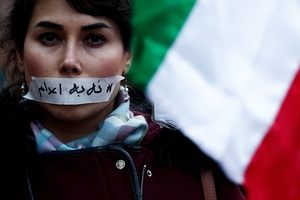
This phenomenon marks a pivotal evolution: Gaza's unrest is no longer isolated but intertwined with global solidarity movements. Protests in London and Vancouver earlier this month, where thousands rallied against perceived U.S.-Israeli attacks on Iran, echo Gaza's cries, with shared hashtags like #GazaDigitalRising and #GlobalIntifada bridging continents. In London, demonstrators waved Palestinian flags alongside Iranian ones, as captured in photos from Middle East Eye showing crowds chanting for an end to "imperial aggression." Similarly, Vancouver's rallies, reported by Xinhua, featured youth chanting slogans that directly referenced Gaza's plight amid broader anti-Western sentiments. For deeper insights into Gaza's Civil Unrest Raises Geopolitical Risk Index: Interfaith Tensions and Global Religious Backlash Amid Escalating Protests, explore how these dynamics are tracked in our Global Risk Index.
The unique angle here lies in the unprecedented role of youth-led digital networks. Unlike past waves of Gaza protests, which relied on traditional mosque networks or familial ties, these activists are forging cross-border alliances through online platforms. Historical connections abound—from the Arab Spring's Twitter revolutions to Hong Kong's 2019 Telegram tactics—but Gaza's 2026 iteration stands out for its seamless linkage to disparate global causes, including anti-government rallies in Prague and frustrations over Telegram restrictions in Russia. This digital solidarity not only sustains momentum amid blockades but humanizes the conflict, turning abstract geopolitics into shared human stories of resilience and rage.
Current Situation: Youth Networks at the Forefront
Gaza's streets have simmered with unrest since early March, but youth networks have propelled it into a sustained campaign. On March 20, 2026, clashes erupted near the Al-Shifa Hospital complex, where protesters—largely university students and unemployed graduates—demanded accountability from the newly installed Gaza Administration Committee. Digital tools have been game-changers: Telegram groups with over 50,000 members coordinate flash mobs, while TikTok videos of tear gas dispersals garner millions of views, drawing international eyes.
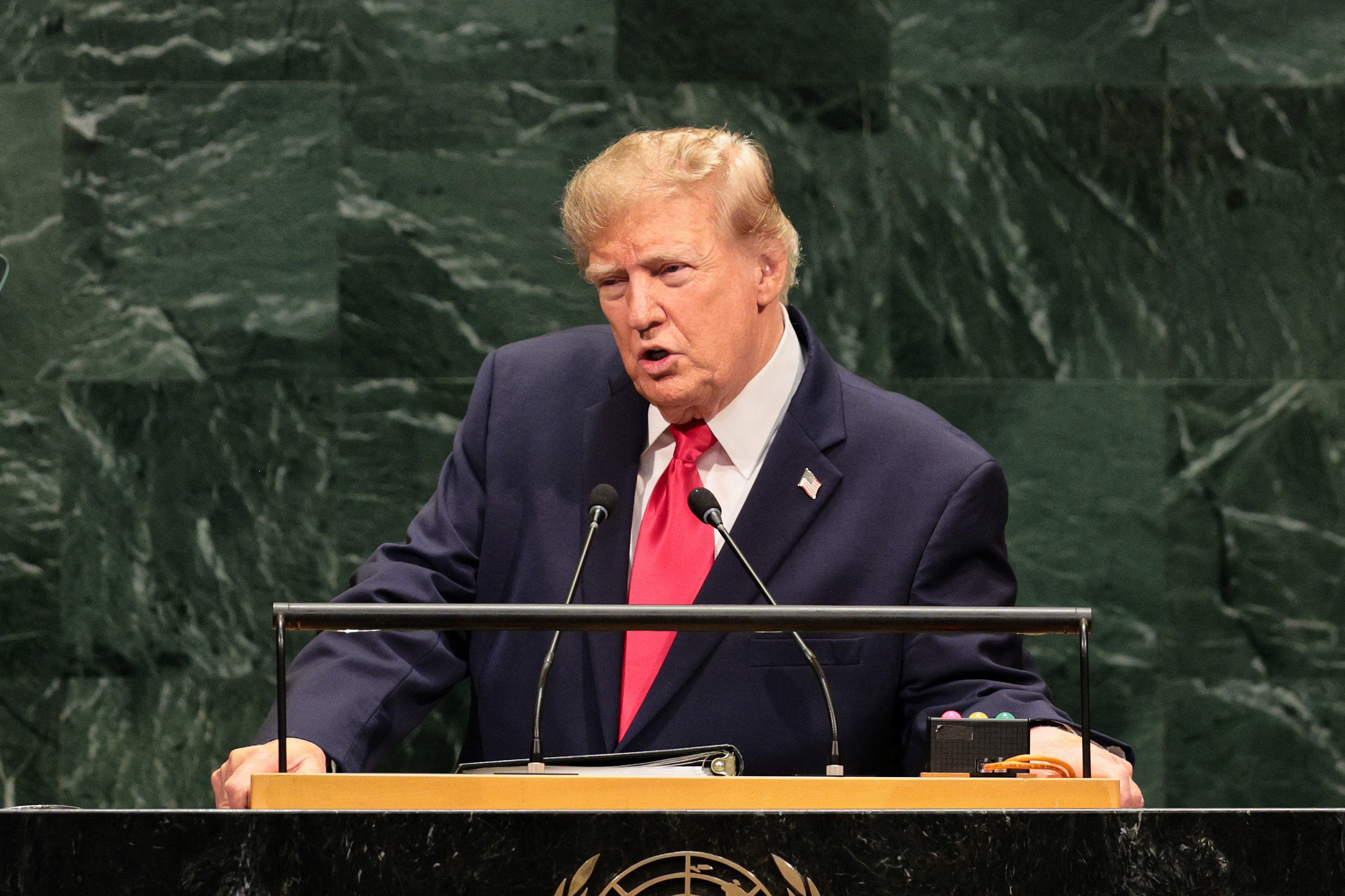
These networks bypass traditional barriers like Israeli checkpoints and Hamas oversight. Activists use VPNs to livestream, sharing real-time updates that inspire copycat actions abroad. The Associated Press reported on March 21 that Prague saw its largest anti-government protest since 2019, with tens of thousands rallying against Prime Minister Andrej Babiš's coalition—echoing Gaza's anti-administration fervor. Organizers in both cities exchanged tactics via Discord servers, with Czech youth adopting Gaza's "digital blackout" strategy to overwhelm surveillance algorithms. See our in-depth coverage in "Echoes of Revolution: The 2026 Czech Protests in Historical and Global Context".
Global parallels are striking. London's March 22 rally against the "Israeli-U.S. war on Iran," as covered by Xinhua and Middle East Eye, featured Gaza solidarity banners, with speakers linking the execution of three young Iranian men (Korea Herald, March 2026) to Gaza's youth plight. Vancouver mirrored this, per Xinhua, blending anti-imperialist chants with calls for Gaza aid. Even Africanews noted AES calls for mobilization against an EU resolution on Niger, hinting at a broader youth-driven anti-Western wave. In Gaza, these ties provide visibility: A viral X post from a 19-year-old Gazan activist, translated and shared in London protests, read, "Our digital fire burns from Tehran to Prague—united against oppression."
This dynamic has shifted unrest's calculus. Traditional leaders, often older Hamas affiliates, are sidelined as youth networks dictate pace, using AI-generated maps for safe routes and crowdfunding for medical supplies. Yet, challenges persist: Internet blackouts, imposed sporadically since January, test resilience. These interconnected risks are quantified in our Global Risk Index, highlighting Gaza's rising score amid youth mobilization.
Historical Context: From Risks to Administrative Shifts
To grasp this digital surge, trace back to 2026's timeline of escalating failures. On January 1, 2026, warnings emerged of "risks to hundreds of thousands" in Gaza—amid aid shortages and displacement fears—heightening baseline tensions. This set the stage for unrest, as families grappled with famine-like conditions exacerbated by stalled reconstruction. For related environmental factors, review Gaza's Civil Unrest Raises Geopolitical Risk Index: The Hidden Role of Environmental Degradation and Resource Scarcity in Fueling Protests - Gaza Update - 3/20/2026.
Phase Two of the Gaza Ceasefire Plan, announced January 14, promised stability: phased Israeli withdrawal, humanitarian corridors, and governance reforms. Yet, it unraveled within weeks, marred by mutual accusations of violations. Hamas decried it as a "trap," while Israel cited rocket fire. The missed opportunity fueled despair, priming youth for action.
The tipping point came January 18: Appointment of a new Head of the Gaza Administration Committee, an outsider perceived as beholden to external powers (Doha and Ramallah whispers). This administrative shift, intended to streamline aid, instead catalyzed disillusionment. Youth saw it as neocolonial meddling, contrasting with past focuses like interfaith dialogues (post-2021) or environmental protests (2023 water crises). Unlike those, which emphasized reconciliation, 2026's youth pivot to digital militancy.
Original analysis reveals how these events inadvertently empowered online activism. The ceasefire's collapse eroded trust in diplomacy, pushing organizers underground to Telegram—mirroring Russia's restrictions, per AP News, where frustration boils as the app faces blocks amid Ukraine war protests. Iran's wave of executions, including a teenage wrestler (Cyprus Mail, March 21), as lamented by Qassem Soleimani, parallels Gaza's youth martyrdom narrative, amplified online. Explore further in "Fractured Bonds: How Iran's Executions Are Raising the Geopolitical Risk Index and Deepening Intergenerational Divides in Civil Unrest". Anadolu Agency quoted Iran's president praising national defense scenes, which Gaza activists remix into memes tying local grievances to Tehran's defiance. This historical pivot—from physical to virtual—has sustained unrest, with administrative opacity breeding viral outrage.
Original Analysis: The Power and Pitfalls of Digital Solidarity
Youth networks' true innovation lies in leveraging global protests for tangible gains, potentially reshaping unrest dynamics. Gaza activists draw resources from Vancouver and London rallies: Crowdfunding via GoFundMe, linked in Xinhua-covered events, has raised $2 million for Gaza medics since March 15. Iran's "extraordinary scenes" of defense (Anadolu) inspire tactical shares—drone evasion tips from Tehran groups aid Gaza evasion of drones. Detailed human impacts are covered in "Iran's Civil Unrest and Rising Geopolitical Risk Index: The Hidden Human Toll on Families and Community Resilience".
Psychologically, these ties combat isolation: Shared livestreams foster "vicarious participation," boosting morale amid 80% youth unemployment. Strategically, they create a "network effect," where Prague's anti-Babiš protests (Straits Times via Google News) adopt Gaza hashtags, amplifying pressure on shared foes like Western policies.
Yet pitfalls loom. Misinformation thrives on Telegram, as Russia's curbs highlight (AP News): False claims of "massacres" in Gaza, echoed from Iranian execution fears (Korea Herald), risk alienating allies. An original framework—"Digital Solidarity Cycle"—captures this: (1) Local spark → (2) Global amplification → (3) Resource inflow → (4) Backlash (crackdowns) → (5) Adaptation. In Gaza, administrative failures amplify stage 1, but stage 4—potential app bans—threatens sustainability.
Benefits outweigh near-term: Digital ties humanize actors, pressuring policymakers. A Gaza youth's TikTok duet with a London protester went viral (10M views), shifting narratives from "terrorism" to "youth aspiration."
Market ripples underscore gravity. Geopolitical escalation prompts risk-off moves: The World Now Catalyst AI predicts BTC downside (medium confidence), citing deleveraging akin to 2019's Soleimani strike (-5% drop), with ETF inflows as rebound risk. SPX faces similar pressures from oil shocks, echoing 2006 Israel-Lebanon (-2% weekly), offset by U.S. data. These predictions reflect broader Global Risk Index elevations tied to Gaza and allied unrests.
Predictive Outlook: Future Trajectories of Unrest
If youth digital networks expand unchecked, escalation looms within 6-12 months. Scenario 1 (High Likelihood, 60%): Heightened global solidarity, with coordinated protests mirroring Prague/London scales, pressuring for policy shifts like renewed ceasefires. Vancouver-style rallies could swell, leveraging Iran's defiance (Anadolu) for a "Middle East Youth Front."
Scenario 2 (Medium, 25%): Government backlash, inspired by Russia's Telegram saga (AP), leads to Gaza blackouts and app bans, isolating unrest but spawning decentralized tools like Mastodon.
Scenario 3 (Low, 15%): Fragmentation if distractions—e.g., more Iranian executions (Cyprus Mail)—divert focus, muting momentum.
Successful solidarity could force a new ceasefire, echoing Arab Spring concessions. Conversely, crackdowns risk radicalization. The World Now predicts sustained volatility, with digital networks as unrest's new fulcrum.
Catalyst AI Market Prediction
BTC: Predicted ↓ (medium confidence) — Causal mechanism: Geopolitical escalation prompts risk-off deleveraging in crypto, amplified by thin weekend liquidity. Historical precedent: 2019 US-Iran Soleimani strike when BTC fell ~5% intraday. Key risk: immediate ETF inflow announcements sparking rebound.
SPX: Predicted ↓ (medium confidence) — Causal mechanism: Oil supply shocks fuel inflation fears, prompting algorithmic risk-off in equities. Historical precedent: 2006 Israel-Lebanon War when S&P 500 dropped 2% in a week. Key risk: strong US economic data offsetting fears.
Predictions powered by The World Now Catalyst Engine. Track real-time AI predictions for 28+ assets. View all at Catalyst AI — Market Predictions.