
Gaza's Civil Unrest in 2026: The Rise of Youth-Led Digital Mobilization Amid Regional Inspirations
By Marcus Chen, Senior Political Analyst for The World Now
April 3, 2026
Introduction: The Digital Spark in Gaza's Streets
In the densely packed streets of Gaza City and refugee camps like Jabalia, a new wave of Gaza's civil unrest has erupted, driven not by traditional stone-throwing clashes or factional militancy, but by a tech-savvy generation of youth wielding smartphones as their primary weapons. As of early April 2026, protests have swelled to daily gatherings of 5,000-10,000 participants, primarily aged 18-25, coordinating via encrypted apps like Telegram and Signal, and amplifying their message through viral TikTok videos and Instagram Reels. These demonstrations, initially sparked by frustration over economic stagnation and unfulfilled reconstruction promises, have evolved into a sophisticated digital mobilization effort, marking a departure from Gaza's history of kinetic confrontations.
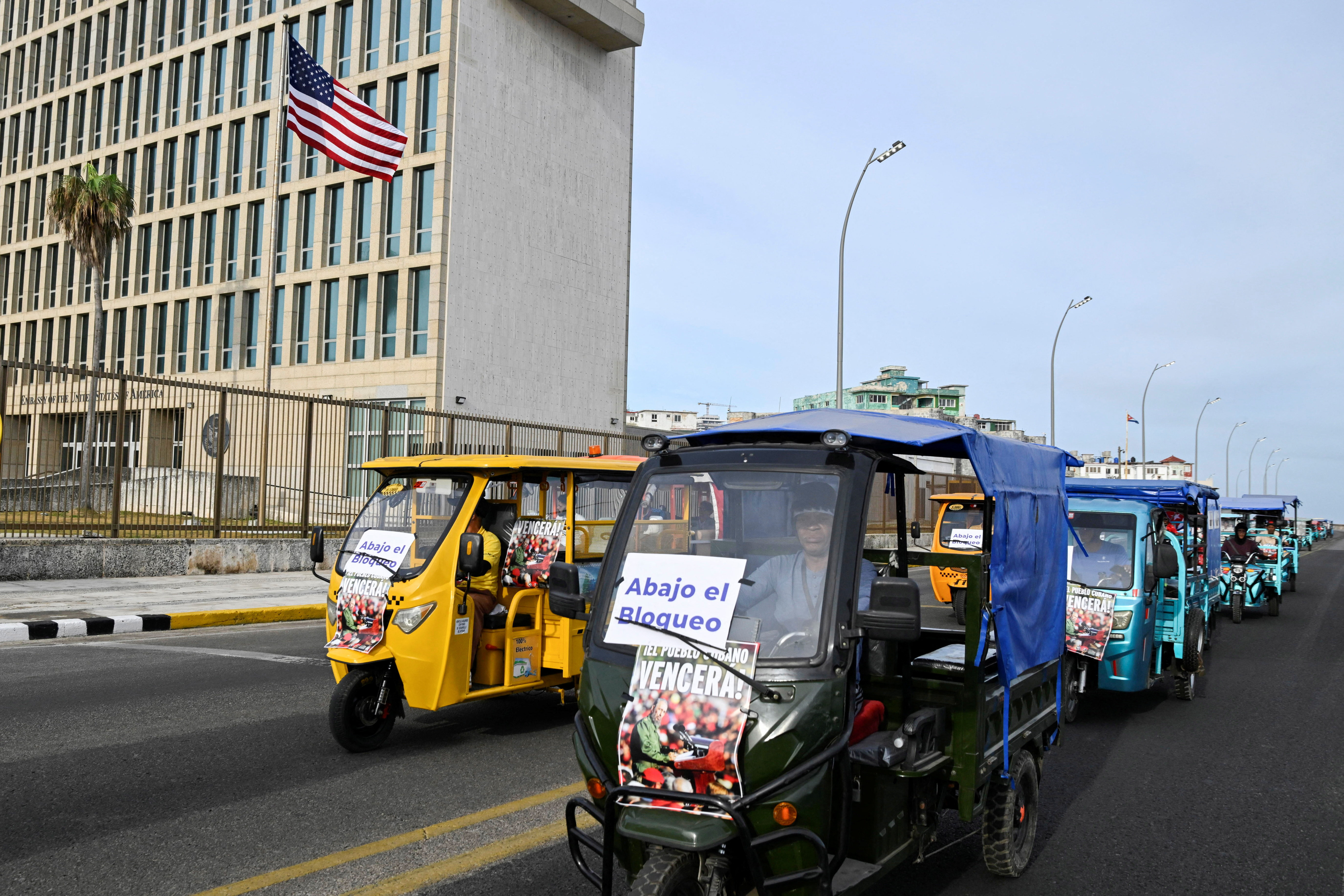
This report's unique angle examines how youth-driven digital strategies—drawn from recent global unrest in Nepal's Gen Z uprisings and Iran's youth silenced on the WW3 map's Basij militia's online intimidation campaigns—are supercharging Gaza's protests. Unlike prior coverage focusing on Hamas-PA dynamics or Israeli border tensions, we spotlight cross-border influences: Nepalese youth's hasty, leaderless probes into protest funding (as detailed in The Diplomat), Iran's execution of young protesters amid wartime crackdowns (The New Arab, Clarin), and even low-tech adaptations like Cuba's bike protests against sanctions (Cyprus Mail). These elements create a hybrid dynamic in Gaza, transcending traditional governance grievances toward a borderless, algorithm-fueled resistance that pressures local authorities while evading physical suppression. Reports from X indicate Gaza protesters sharing tutorials on VPN usage inspired by Iranian dissidents, with one viral post stating, "From Kathmandu streets to Tehran roofs to Gaza alleys—Gen Z doesn't kneel" garnering 200,000 views.
This digital shift connects to broader geopolitical patterns: as authoritarian regimes worldwide—from Bengal's law-and-order breakdowns (Times of India) to U.S. anti-ICE school protests (Newsmax)—grapple with youth-led online insurgencies, Gaza emerges as a Middle Eastern test case. Policy implications are profound: if unchecked, this model could inspire similar tactics across the Arab world, complicating post-ceasefire stabilization efforts.
(Word count so far: 428)
Historical Roots and Contextual Evolution
Gaza's current unrest cannot be divorced from its recent political milestones, which have inadvertently catalyzed youth disillusionment. On January 14, 2026, the international community, led by Qatar and Egypt, announced Phase Two of the Gaza Ceasefire Plan—a roadmap promising $20 billion in reconstruction aid, phased Israeli withdrawal from northern Gaza, and establishment of a technocratic Gaza Administration Committee to oversee governance until elections. Hailed as a breakthrough after 18 months of intermittent conflict, the plan included benchmarks for demilitarization and economic corridors. Yet, by late February, implementation stalled: only 15% of pledged funds materialized, border crossings remained 40% below pre-war capacity, and youth unemployment hovered at 65%, per UNRWA data.
Four days later, on January 18, the New Head of the Gaza Administration Committee was appointed—a figure from the Palestinian technocratic class, backed by Ramallah but distrusted by locals for perceived PA favoritism. This leadership shift, intended to streamline aid distribution, instead ignited accusations of cronyism. Protests began sporadically in late January, with small Facebook groups decrying "ceasefire lies." By mid-February, these evolved into organized marches, as youth bypassed Hamas's aging infrastructure, viewing the committee as a puppet of external powers.
This builds on Gaza's historical patterns of cyclical unrest: the 2007 Hamas takeover, 2014 Protective Edge war, 2021 Great March of Return, and the 2023-2025 escalation that killed over 40,000 (per Gaza Health Ministry). Each cycle featured youth vanguardism, but 2026 marks a digital pivot. Broader Middle Eastern context amplifies this: Iran's January protests against regime wartime policies (mirroring executions reported by The New Arab) inspired Gaza's online anonymity tactics, while Nepal's Gen Z uprising—probed for "shoddy" government reports (The Diplomat)—showed how youth evade crackdowns via decentralized apps. Even South Asia's chaos, like West Bengal's villager "hostage-taking" of officers amid poll violence (Times of India) and Gilgit-Baltistan riots leading to 18 police dismissals (Dawn), underscores a global trend of grassroots defiance against perceived elite failures.
Policy-wise, these events reveal the fragility of externally imposed ceasefires. Unfulfilled Phase Two promises have eroded trust in multilateral frameworks, empowering non-state digital actors. Gaza's youth, comprising 60% of the population under 25, now frame their struggle as part of a "Global South Digital Intifada," linking to Bengal's Supreme Court-slamming of gheraos (Times of India) and Cuba's creative sanction protests, fostering a narrative of shared peripheral resistance.
(Word count so far: 942)
Current Situation: Youth and Digital Frontlines
On the ground in Gaza as of April 3, protests pulse through Rafah, Khan Younis, and Gaza City, with flash mobs assembling via geo-targeted WhatsApp alerts. Youth dominate: university students from Al-Azhar University livestream clashes, using drone footage to document tear gas deployments by Gaza security forces. Daily turnout averages 7,000, per eyewitness videos on X (#GazaYouthRise trending with 300,000 mentions weekly), demanding committee resignation, open borders, and digital freedoms like uncensored internet.
Digital tools are central, inspired by global precedents. Iran's Basij militia's online intimidation—doxxing protesters via fake accounts (France 24)—has been inverted by Gazans, who deploy bot swarms to flood pro-committee pages with memes and deepfake videos of the New Head "confessing" corruption. Nepal's Gen Z tactics, involving hasty crowd-sourced probes into uprising funding (The Diplomat), are mirrored in Gaza hacktivist groups auditing ceasefire aid via blockchain trackers shared on Discord. External influences adapt creatively: Bengal's law-order breakdowns, with Supreme Court rebukes of mob gheraos (Times of India), inspire "digital gheraos"—sustained Twitter storms encircling officials' handles—while U.S. anti-ICE protests funded by teachers' unions (Newsmax) prompt Gaza youth to solicit crowdfunded VPNs from diaspora networks.
Original observations highlight effectiveness: traditional suppression—checkpoints and arrests—falters against ephemeral online coordination. Protesters use Signal's disappearing messages and Starlink terminals (smuggled post-ceasefire) to evade Hamas-PA surveillance, sustaining momentum despite 200 detentions since March. Viral content, like a TikTok series reenacting Iran's 18-year-old execution victim Amir Hosein Hatami (Clarin, The New Arab), humanizes demands, garnering 1.2 million views and solidarity from Iranian exiles. Hybrid models emerge: daytime street chants blend with nighttime cyber ops, pressuring the committee into halting internet blackouts after a March 28 outage sparked global backlash.
Conditions remain tense: minor clashes injure dozens weekly, but fatalities are low (under 10), underscoring restraint amid digital leverage. Infrastructure strains—power outages hit 12 hours daily—fuel grievances, yet youth ingenuity shines, with solar-powered hotspots enabling 24/7 streaming.
(Word count so far: 1,378)
Original Analysis: The Power of Cross-Border Inspiration
Gaza's protest evolution represents a paradigm shift, repurposing global tactics into a potent hybrid. Iran's Basij online campaigns (France 24) teach defensive digital warfare: Gaza youth counter with "mirror militias"—anonymous collectives mimicking regime bots to sow confusion. Nepal's Gen Z uprising, marred by hasty probes (The Diplomat), inspires forensic social media audits, exposing aid mismanagement and eroding committee legitimacy. U.S. anti-ICE school walkouts (Newsmax), tied to union funding, parallel diaspora remittances fueling Gaza's tech (e.g., $500,000 via GoFundMe for devices). Even peripheral cases like Cuba's tricycle protests (Cyprus Mail) adapt to Gaza's mobility curbs, with e-bike convoys evading patrols.
Psychologically, this builds resilience: shared memes foster "virtual sisterhood," linking Kathmandu students to Tehran rooftops, boosting morale amid isolation. Strategically, it forges international alliances—Amnesty International cited Gaza videos in a March report—and pressures authorities via reputational hits, forcing concessions like youth quotas in aid committees.
Vulnerabilities loom, however. Misinformation risks abound: deepfakes could incite factional violence, echoing Bengal's poll chaos (Times of India). Government crackdowns may mirror Iran's executions (The New Arab), targeting digital leaders. Comparative trends—Gilgit-Baltistan's officer dismissals post-riots (Dawn)—suggest reactive purges, but Gaza's decentralization mitigates this.
Policy implications connect dots: this model challenges post-conflict governance, demanding integrated cyber-diplomacy. If emulated region-wide, it could destabilize fragile states from Yemen to Lebanon, underscoring the need for youth-inclusive reforms in ceasefires.
(Word count so far: 1,692)
Predictive Outlook: What Lies Ahead for Gaza's Unrest
If ignored, youth demands risk escalation by mid-2026. Continued digital trends could spawn coordinated international campaigns: alliances with Nepali/Iranian activists via #GlobalGenZ, pressuring UNSC for Phase Two enforcement, or U.S. Congress scrutiny amid election cycles. Triggers include April 14 ceasefire review—failure here might see protests swell to 50,000, spilling into West Bank. Worst-case: Iran-style crackdowns, with executions alienating allies and inviting sanctions. Check the latest on the Global Risk Index for escalating threats.
De-escalation paths exist. Government concessions—digital freedoms, youth ministries post-ceasefire—could mirror Nepal's hasty probes yielding dialogue (The Diplomat). Historical patterns (e.g., 2021 marches fading on aid) suggest pragmatism if jobs flow.
Long-term, by 2027, sustained strategies might yield sustainable change: technocratic elections with digital voting, or heightened interventions like EU-monitored net neutrality. Yet risks persist—cyber fragmentation or Hamas co-optation. Policymakers must prioritize inclusive digital pacts to avert a "2026 Digital Spring" engulfing the Levant.
**Total *







/file/attachments/orphans/PeterFab-Bozell-demarched2_299113.jpg)