
Gaza Conflict Escalates with Militia Strike on Hamas and Resumed Hostage Recovery Efforts
Gaza City, Gaza Strip – In a notable development amid the protracted Israel-Hamas war, an Israeli-backed Palestinian militia announced on Wednesday the killing of two Hamas operatives in southern Gaza, signaling continued internal frictions within the enclave. Hours later, Hamas reported the resumption of search operations to recover the body of the last known Israeli hostage, Ran Gvili, following a two-week weather-related pause.
The militia action, reported at around 12:39 GMT, underscores the complex dynamics in Gaza where anti-Hamas factions, often supported by Israel, have clashed with the militant group. According to details from the incident, the severity was rated as medium, highlighting targeted operations against Hamas infrastructure in the southern region. Such militias, including groups like the Popular Forces or clan-based alliances, have emerged as irregular players in the conflict, aiming to undermine Hamas governance while aligning with Israeli security interests.
This event coincides with a separate but symbolically significant update from Hamas later that evening at 21:27 GMT. Search teams have recommenced efforts to locate and retrieve the remains of Ran Gvili, an Israeli soldier whose body is believed to be held in Gaza. The operation was halted for two weeks due to adverse weather conditions, a challenge frequently cited in the hostage crisis that has defined much of the war's humanitarian toll.
"Hamas has informed the relevant parties that the search teams have resumed their work to recover the body of the captive Ran Gvili after a pause due to bad weather," a statement from the group indicated, as covered by Channel News Asia. This development comes as part of ongoing negotiations and unilateral actions tied to ceasefire talks, though no immediate breakthroughs were reported.
Ongoing Tensions in the Israel-Hamas War
The incidents reflect the multifaceted nature of the conflict, now entering its third year since Hamas's October 7, 2023, attack on southern Israel, which killed approximately 1,200 people and led to the abduction of over 250 hostages. Israel's subsequent military campaign in Gaza has resulted in tens of thousands of Palestinian deaths, widespread destruction, and a severe humanitarian crisis, according to United Nations estimates.
Hostage recovery remains a core Israeli objective. As of early 2026, most living hostages have been released through phased ceasefires or rescue operations, leaving a small number of bodies, including Gvili's, unaccounted for. Gvili, a soldier killed during the initial assault, represents one of the final unresolved cases. Previous recoveries, such as those in late 2024 and 2025, involved coordinated efforts between Hamas, international mediators like Qatar and Egypt, and the International Committee of the Red Cross. Weather disruptions, including heavy rains and flooding in Gaza's battered infrastructure, have repeatedly complicated these missions.
Meanwhile, the militia strike points to Israel's strategy of indirect pressure on Hamas through local proxies. Southern Gaza, encompassing areas like Rafah and Khan Younis, has been a hotspot for such operations. Israeli-backed groups, often comprising disillusioned Palestinian clans or former security personnel, have conducted assassinations and ambushes, eroding Hamas's control. This tactic aligns with Israel's broader goal of preventing Hamas from regrouping, even as ceasefire discussions falter over issues like troop withdrawals and aid access.
No immediate casualties or retaliatory actions from Hamas were reported in response to the militia killings, but the medium-severity classification suggests potential for localized escalation. The Israel Defense Forces (IDF) have not officially commented on the militia's involvement, maintaining a policy of plausible deniability for proxy actions.
Background on Gaza's Fractured Alliances
The Israel-Hamas conflict traces back decades but intensified post-2007 when Hamas seized control of Gaza from Fatah-led Palestinian Authority forces. Internal divisions have periodically surfaced, with Israel encouraging anti-Hamas elements during major offensives. In 2024, reports emerged of the "Gaza clans" or "Abu Shabab forces" clashing openly with Hamas, providing intelligence and conducting raids in exchange for protection and supplies.
The hostage saga adds a poignant layer. Over 100 hostages were freed in a November 2023 truce, with others rescued in daring IDF raids, such as the June 2024 operation saving four captives. Bodies of slain hostages, however, require delicate negotiations, as Hamas has used them as bargaining chips. Gvili's case, tied to earlier ceasefire frameworks, highlights the war's lingering human cost.
International observers, including the UN and human rights groups, have called for accelerated resolutions. U.S. mediation efforts under the Biden administration continued into 2025, though prospects dimmed with shifting regional dynamics, including Houthi attacks in the Red Sea and Hezbollah skirmishes in Lebanon.
Outlook Amid Stalemate
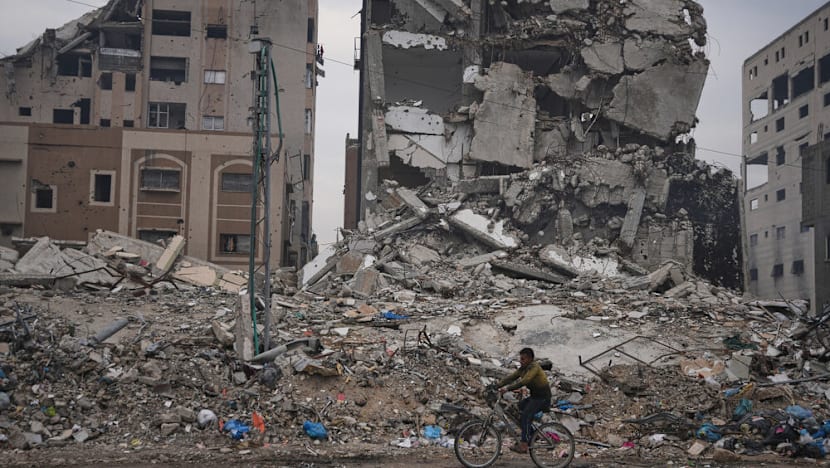
As these events unfold on January 7, 2026, they illustrate the war's stagnation: tactical gains for Israel and its allies, incremental progress on hostages, but no path to lasting peace. Hamas's control in Gaza persists despite losses, while reconstruction remains elusive amid blockade and rubble.
Israeli officials have reiterated demands for all hostages' return as a ceasefire precondition, while Palestinian factions urge an end to military operations. With winter weather abating, the success of Gvili's recovery could signal goodwill or renewed bargaining leverage. Conversely, militia actions risk inflaming intra-Palestinian violence, complicating governance in a post-war Gaza.
Global attention remains fixed, with world leaders monitoring for spillover. For now, these developments mark another chapter in a conflict that has reshaped the Middle East, claiming countless lives and futures.
(Word count: 712)






