
Gang Shootings Surge in Malaysia's Selangor State, Sparking Fears in Klang Port City
KUALA LUMPUR, Malaysia — A fatal shooting at a fast food restaurant in Selangor state on January 6 has heightened public alarm, coming amid a string of gang-related gun violence ripping through the nearby port city of Klang. Police are hunting suspects in multiple incidents, as residents report living in constant fear, even avoiding daytime outings due to escalating insecurity.
The latest targeted killing occurred on Tuesday, January 6, 2026, when a man was shot dead at a fast food restaurant in Selangor. Authorities described the severity as medium but launched an immediate manhunt for the suspect, who fled the scene. Details on the victim's identity and motive remain limited, but the brazen public attack underscores a pattern of audacious gang enforcements in the region.
Just a day later, on Wednesday, January 7, the violence continued in Klang, a key industrial hub and port city in Selangor state, located about 30 kilometers west of the capital Kuala Lumpur. Two assailants on a motorcycle gunned down a 43-year-old man in Taman Wangsa, a residential suburb, before speeding away. Selangor Deputy Police Commissioner Mohd Zaini Abu Hassan confirmed the details, stating that police had initiated a full investigation to track the perpetrators. "We are hunting a suspect who gunned..." the report trailed off, indicating ongoing probes into linked cases.
These incidents form part of a broader wave of gang-related shootings that have rattled Klang communities. Local residents expressed profound unease, with many too afraid to leave their homes during daylight hours. The violence has thrust Malaysia's deteriorating public safety in Selangor back into the national spotlight, amid concerns over the proliferation of illegal firearms.
Context of Rising Gun Violence in Selangor
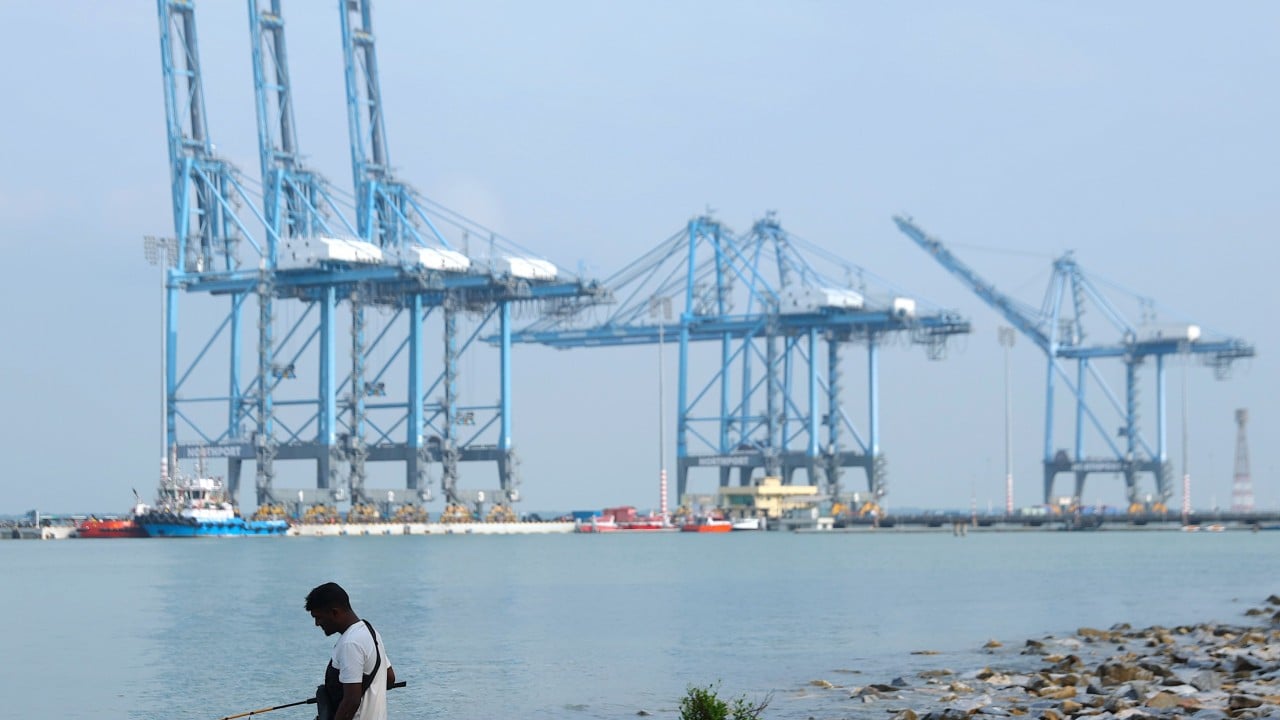
Selangor, Malaysia's most populous state with over 6.5 million residents, is a economic powerhouse encompassing the Klang Valley metropolitan area, including Kuala Lumpur. Klang itself is a vital maritime gateway, handling significant container traffic and supporting industries like manufacturing and logistics. However, its strategic location has long made it a hotspot for organized crime, including drug trafficking syndicates and gang rivalries rooted in historical Chinese secret societies known as "gang 36" or similar groups.
Malaysia maintains some of the world's strictest gun control laws under the Arms Act 1960, with civilian firearm ownership heavily restricted and penalties for illegal possession severe. Despite this, gun violence has ticked upward in recent years, often linked to transnational crime networks smuggling weapons from neighboring countries or via porous borders. Police data from prior years showed sporadic surges in gangland killings, particularly in states like Johor and Penang, but Selangor's urban density amplifies the impact here.
The current spate echoes patterns seen in 2023-2024, when gang feuds in northern states led to over a dozen high-profile shootings, prompting federal interventions like the Special Operations Unit deployments. In Klang, locals attribute the unrest to turf wars over extortion rackets, narcotics distribution, and underground gambling. "Residents ‘living in fear’" as gang shootings rip through the city, one report highlighted, capturing the sentiment of shuttered businesses and anxious families.
Authorities have responded swiftly. Selangor police, under the Royal Malaysia Police (PDRM), have intensified patrols and intelligence gathering. Deputy Commissioner Mohd Zaini Abu Hassan's updates signal a coordinated effort, potentially involving federal crime intelligence units. Past crackdowns, such as Operation "Noda Gelap" targeting gang hideouts, have yielded arrests and weapon seizures, but experts note that underlying socioeconomic factors—like youth unemployment in industrial zones—fuel recruitment into these groups.
Community Impact and Official Response
The psychological toll is evident. In Taman Wangsa and surrounding areas, parents are restricting children's movements, while small traders report declining footfall. Social media buzzes with calls for tougher measures, including CCTV expansions and community policing. One anonymous resident told media outlets, "We can't even step out during the day anymore—what's happening to our city?"
Nationally, the incidents coincide with Prime Minister Anwar Ibrahim's administration emphasizing public safety as a 2026 priority. Interior Minister Saifuddin Nasution Ismail has previously vowed to dismantle gang networks, allocating resources for anti-crime task forces. Selangor Chief Minister Amirudin Shari has yet to comment specifically, but state assembly debates may address funding for security enhancements.
Outlook Amid Ongoing Probes
As investigations continue, police urge the public to provide tips via hotlines, promising anonymity. No arrests have been announced in the fast food restaurant killing or Taman Wangsa shooting, but forensic leads from bullet casings and witness sketches are under analysis. The PDRM's track record suggests breakthroughs are possible, as seen in the 2024 bust of a Klang-based syndicate with 20 illegal guns.
While isolated compared to global hotspots, these events highlight vulnerabilities in Malaysia's urban underbelly. Sustained action could restore confidence, but failure risks broader unrest in the densely packed Klang Valley. Residents await not just captures, but systemic safeguards to reclaim their streets.
(Word count: 712)






