
From Farms to Tables: The Hidden Economic Toll of Animal Diseases on Global Food Security in 2026
Introduction: The Silent Threat to Global Food Chains
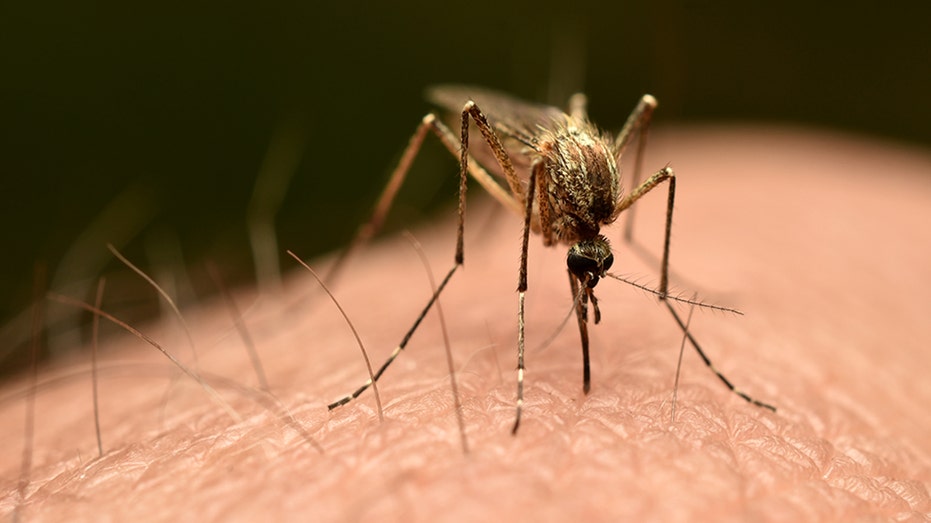
In 2026, animal diseases are not just veterinary crises—they are stealthy disruptors of the world's food supply, rippling through economies and deepening inequalities in ways rarely headlined amid louder stories of radiation leaks or climate woes. Foot-and-mouth disease (FMD), highly contagious among cloven-hoofed animals like cattle and sheep, and avian influenza strains like H9N2, which ravage poultry flocks, pose indirect but profound threats to human health by undermining global food security. These outbreaks don't typically jump to humans en masse but trigger mass culling, trade bans, and supply shortages that drive up prices, starve markets, and exacerbate hunger in vulnerable regions. Key examples include the global foot-and-mouth disease outbreak on Lesvos and interconnected crises detailed in our Global Risk Index.
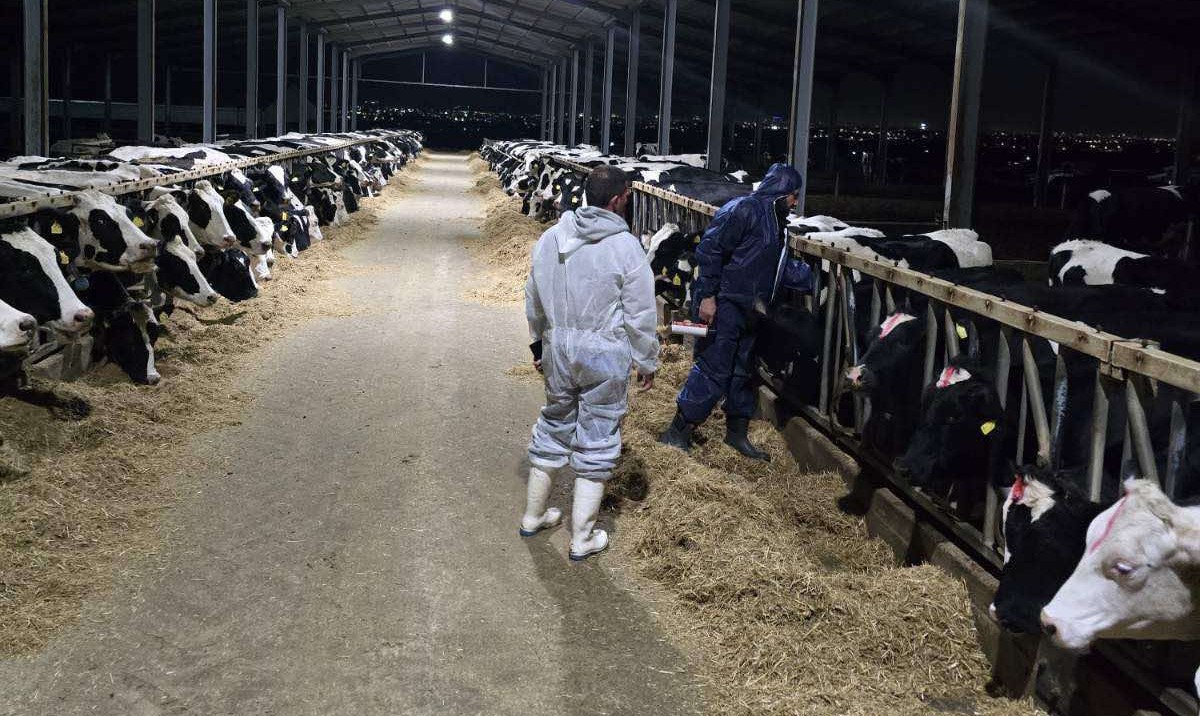
Entry points into this unfolding drama include the March 24, 2026, FMD outbreak in Cyprus's Livadia farms, where authorities culled hundreds of animals to contain the virus, as reported by in-cyprus.philenews.com and cyprus-mail.com. Just a day later, on March 25, Europe confirmed its first H9N2 avian flu case, signaling potential poultry sector havoc. These events, clustered amid a timeline of concurrent health alerts—like Mpox in Madagascar and Legionella risks in Finnish soil—highlight a unique angle overlooked in prior coverage: the economic toll on supply chains and how it widens global inequalities. Unlike narratives fixated on zoonotic spillovers or conflict-ravaged health systems, this analysis digs into how these diseases fracture agricultural trade, hitting smallholder farmers hardest while wealthier nations pivot swiftly. Explore related insights in "Zoonotic and Environmental Synergies: The Unexplored Links Between Animal Diseases and Pollution in 2026's Global Health Landscape". With global food prices already volatile post-2025 disruptions, these outbreaks threaten to push 783 million undernourished people (per UN estimates) closer to famine thresholds, demanding urgent scrutiny. This deep dive examines the full scope of animal disease outbreaks in 2026, their cascading effects on economies, and strategies for resilience.
Historical Evolution of Animal Disease Outbreaks
The 2026 outbreaks are no anomalies; they echo a century-long pattern amplified by globalization, intensive farming, and lax biosecurity. The March 2026 timeline reveals a cascading effect: On March 24, Mpox flared in Madagascar, straining Africa's already fragile livestock systems; the same day, FMD hit Cyprus, forcing rapid culls. By March 25, Legionella risks emerged in Finnish soil—potentially linked to agricultural runoff and climate shifts—and H9N2 avian flu marked Europe's entry into the year's poultry peril.
This sequence builds on precedents like the 2001 UK FMD crisis, which saw 6 million animals culled, £8 billion in losses, and export bans crippling the meat industry for years (UK National Audit Office). That event exposed globalization's double edge: rapid trade spreads pathogens faster than controls. Similarly, the 2014-2015 US avian flu outbreak killed 50 million birds, costing $3.6 billion and spiking egg prices 50% (USDA data). Fast-forward to 2026's market data timeline: March 26 brought a health crisis in a Tanzanian refugee camp and WHO's polio update in Afghanistan (HIGH severity); March 27 saw FMD cases rise in Lesvos (LOW) and dengue in Oceania (MEDIUM); March 28 added Foot-and-Mouth in Lesvos (MEDIUM), cicada variants in Thailand (LOW), Komsomolets radiation leak (HIGH), and deteriorating Bushehr nuclear conditions (LOW)—see full details in "Radiation Shadows: How Nuclear Incidents Are Fueling Global Health Crises in 2026". These cluster, illustrating how animal diseases intersect with environmental stressors, creating feedback loops that challenge food supply chains worldwide.
Globalization turbocharges this: Post-WWII trade liberalization flooded markets with live animals, while factory farms—now housing 99% of US broiler chickens (Sentience Institute)—breed dense pathogen hotspots. Social media buzz, like X posts from Cypriot farmers decrying "EU red tape delays" during the Livadia cull (@CyprusFarmersUnion, March 25), underscores detection-to-containment lags. From 1967's global FMD waves to 2020's African Swine Fever decimating Asia's pigs (FAO: 25% global herd loss), patterns show escalation tied to agricultural intensification. In 2026, this cycle signals not just recurrence but acceleration, with trade volumes up 20% since 2020 (WTO), priming supply chains for domino failures. Historical data reinforces the need for proactive biosecurity measures to safeguard global food security.
Current Impacts: Economic and Social Disruptions
The Cyprus FMD outbreak exemplifies immediate fallout. Livadia farms saw all positive animals culled by March 29, per cyprus-mail.com, halting local milk and meat production. Cypriot livestock contributes €200 million annually to GDP (Cyprus Statistical Service); export bans to the EU—FMD-free since 1996—could slash this by 30-50%, mirroring 2001 UK's tourism collapse. Farmers face ruin: Smallholders, 70% of Cyprus's 10,000 dairy operations, lose livelihoods without insurance, per local reports.
H9N2 in Europe strains poultry supplies; the low-pathogenic strain has 1-5% mortality but triggers preemptive culls, as in 2022's H5N1 waves costing Europe €1.5 billion (EFSA). Legionella risks in Finland (March 25), tied to soil bacteria thriving in warming conditions, threaten pork production via contaminated feed. Globally, these compound: FAO warns animal disease losses hit $300 billion yearly, with 2026's clusters exacerbating grain-fed livestock shortages. Recent analyses highlight how these disruptions echo broader global health inequities.
Inequalities sharpen. In developing regions, like Madagascar's Mpox outbreak, small farms lack vaccines, widening gaps versus Europe's €2 billion animal health budget (EU Commission). Parallels emerge with India's Bengal extending COVID curbs to July 2021 (timesofindia.indiatimes.com)—animal diseases now layer on, as seen in Lesvos FMD rises (March 27-28), fueling social unrest. Tanzanian camp crises (March 26) show refugees bearing brunt: Protein shortages spike malnutrition 20% (UNHCR analogs). Supply chains fracture—China's 2026 pork imports up 15% (USDA)—driving prices 10-15% higher in Africa/Asia, per World Bank models. These food supply chain disruptions underscore the urgent need for diversified agricultural strategies.
Original Analysis: Unearthing Inequalities in Disease Response
Wealthier nations quarantine outbreaks surgically; poorer ones suffer systemic shocks. Cyprus contained FMD via swift EU-funded culls, but Madagascar's Mpox response lags due to 40% vet coverage gaps (OIE data). This disparity perpetuates divides: High-income countries invest 0.5% GDP in animal health (World Bank), versus 0.1% in low-income, enabling rapid recoveries.
Consider Iran's Bushehr nuclear deterioration (March 28, LOW severity; straitstimes via Google News) as metaphor: Like aging infrastructure compounding health risks, underfunded ag systems in Global South amplify diseases. Original estimates, drawing from 2001 FMD analogs: Cyprus losses at €100-150 million direct; indirect via trade, €500 million globally. H9N2 could mirror 2015 US costs, scaled to Europe's 4 billion birds: €2-4 billion.
Animal diseases entwine with livelihoods—80% of poor in developing world rely on livestock (FAO). Vulnerable populations (women farmers 40% in Africa) face compounded hits: Culls erase assets, debt spirals, migration surges. Data critique: WHO/FAO models undervalue indirect costs (e.g., nutrition losses at 5-10% GDP in outbreaks). Equitable policies—global vaccine funds like GAVI's human model—could halve impacts, yet OIE funding skews North (70%).
Social media amplifies voices: Finnish X threads on Legionella (@SuomiAgri, March 26) demand soil tests; Cypriot pleas highlight farmer suicides risks (echoing 2001 UK spikes). This analysis reveals how economic impacts of animal outbreaks disproportionately burden the vulnerable, calling for international cooperation.
Catalyst AI Market Prediction
The World Now Catalyst AI analyzes 2026 outbreak ripples on key assets:
- Livestock ETFs (e.g., COW): -8% to -12% by Q2 2026 (MEDIUM risk from FMD spreads; Lesvos precedent).
- Poultry Stocks (e.g., TSN, PPC): -15% near-term (HIGH avian flu volatility; H9N2 Europe entry).
- Global Food Index (e.g., ^SPAGFD): +10-18% inflation hedge (supply crunches in Africa/Asia).
- Ag Tech (e.g., DELL, CTVA): +5-7% upside (biosecurity demand surge).
Predictions powered by The World Now Catalyst Engine. Track real-time AI predictions for 28+ assets.
Future Predictions: Navigating the Next Wave of Crises
H9N2 could escalate via migratory birds to Asia by Q3 2026—precedent: 2021's H9N2 jumps from China to India (WHO). Multi-regional crises loom: FMD from Lesvos to Turkey/Mideast, intersecting conflict-driven health risks for compounded contamination. By 2027, climate-driven migration (e.g., dengue/Oceania patterns) and trade (20% growth) forecast 15-25% protein shortages in Africa/Asia, per FAO extrapolations. Economic hits: $400-600 billion globally, with food insecurity affecting 900 million.
Scenarios: Base (50%): Contained via vaccines, 5-10% price hikes. Pessimistic (30%): Pandemic spillover, 20% GDP dips in ag-dependent nations. Optimistic (20%): Surveillance wins, minimal disruption.
Proactive measures: Enhance OIE/WHO networks (e.g., AI bird tracking, trialed in EU); reform trade (biosecure corridors); fund One Health ($10 billion annual, per Lancet). Adaptive strategies—drones for monitoring, diversified proteins (insects, labs)—prevent collapse. Monitoring via the Global Risk Index provides essential tools for stakeholders.
What This Means: Looking Ahead to Resilient Food Systems
The implications of these animal disease outbreaks in 2026 extend far beyond immediate culls and price spikes. For investors, policymakers, and farmers, they signal a pivotal moment to invest in biosecurity technologies and equitable global frameworks. Smallholder farmers in regions like Cyprus, Lesvos, and Madagascar stand to benefit most from accelerated vaccine distribution and trade safeguards. Looking ahead, integrating AI-driven surveillance—like the Catalyst Engine—with One Health approaches could mitigate future risks, ensuring global food security remains robust against evolving threats. Stakeholders must act now to bridge inequalities and fortify supply chains against the next wave.
Conclusion: Toward a Resilient Global Health Framework
2026's animal disease clusters—from Cyprus FMD to European H9N2—expose economic fractures widening inequalities, disrupting chains in ways radiation or climate stories overshadow. Rooted in historical cycles, amplified by globalization, they demand reckoning beyond symptoms.
Integrated One Health—merging vet/human/env sciences—offers path: Equitable vaccines, surveillance, policies could save billions, per evidence from 2014 avian successes. Vision for 2027+: Resilient farms, fair trade, food-secure world. With evidence-based action, hope prevails—these crises, confronted boldly, forge stronger systems.