
Global Health Under Siege: The Unseen Links Between Conflicts and Emerging Diseases in 2026
The Story
The narrative of global health in 2026 reads like a thriller scripted by chaos: localized sparks igniting into international infernos, fueled by the invisible accelerator of armed conflict. It began escalating in mid-March, with a timeline of precursors that now, in hindsight, appear prophetic. On March 21, reports emerged from Kano, Nigeria, of a "strange disease" claiming the lives of siblings, sparking fears of an unidentified pathogen in a region already strained by instability from Boko Haram insurgencies and resource conflicts. Just two days later, on March 23, Lebanon declared a national health emergency amid collapsing infrastructure from years of economic woes and spillover from Syrian and regional tensions. The same day saw a tuberculosis outbreak in Singapore, a hyper-connected global hub, alongside ciguatera poisoning incidents in Vanuatu—linked to climate-stressed marine ecosystems but amplified by disrupted supply chains from Pacific conflicts—and a Gaza medical evacuation crisis, where Israeli-Palestinian hostilities have crippled hospitals, forcing desperate airlifts.
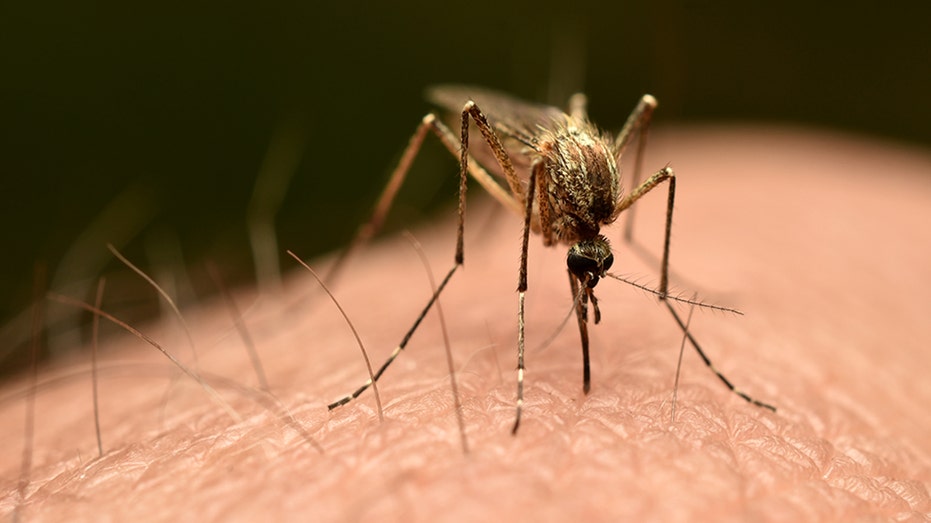
These events were not isolated anomalies but harbingers. By March 25, Mozambique's daily cholera bulletin reported surging cases, with over 1,000 infections in weeks, tied to flooding exacerbated by climate change but worsened by post-cyclone instability and insurgent violence in Cabo Delgado. Argentina's Lomas de Zamora issued an epidemiological alert for chikungunya fever, a mosquito-borne virus causing debilitating joint pain, in an urban area where vector control has faltered amid economic protests and border tensions with neighboring conflict zones. Cuba's power outages plunged its health system into turmoil, as noted by WHO alarms on France24, leaving dialysis patients and infants at risk—echoing how infrastructural sabotage in conflict areas precedes disease surges and highlighting global health inequities.
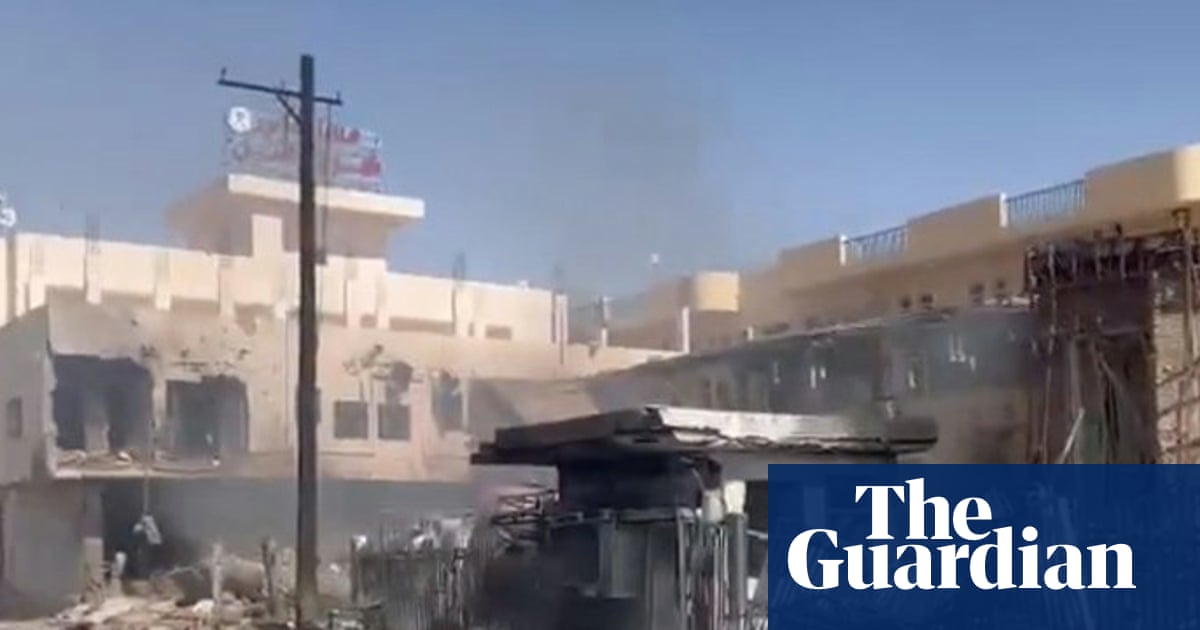
Fast-forward to March 26, and the picture sharpens into a web of crises interconnected by conflict. The WHO's stark Guardian-reported warning describes a Middle East health meltdown "unfolding in real time," with Gaza's hospitals at zero capacity, Yemen's cholera resurgence, and Lebanon's medicine shortages amid Hezbollah-Israel escalations and Houthi disruptions. In Afghanistan, the WHO's EMR Polio Bulletin (Issue 1433) confirms ongoing wild poliovirus type 1 circulation, with 12 cases in 2026 alone, as Taliban restrictions and cross-border fighting with Pakistan hinder vaccination drives. MSF's report from Tanzania's Nduta camp highlights overcrowded refugee centers—swollen by 150,000 Burundian and Congolese escapees from civil wars—where sanitation collapse breeds dysentery and measles, with aid workers documenting "unbearable" conditions threatening dignity and lives, as detailed in reports on how environmental shifts and human migration fuel interconnected crises.
This unique angle—the unseen links between conflicts and emerging diseases—emerges clearly: wars don't just destroy buildings; they dismantle public health firewalls. In Afghanistan, polio resurgence stems from disrupted immunization amid Taliban governance and Pakistani airstrikes. Middle East hostilities displace millions, packing them into camps where poor sanitation supercharges cholera and hepatitis. Refugee flows from Congo and Burundi overwhelm Tanzania, creating "health hotspots" where vector-borne diseases like chikungunya find new footholds via migrating populations. Historical parallels abound: think Syria's 2013-2018 cholera waves amid civil war, or Yemen's 1 million+ cases since 2017. In 2026, this pattern accelerates, with March's timeline showing a chain reaction—from Kano's mystery illness potentially spilling via Sahel migrants to Middle East evacuees seeding TB variants globally. Confirmed: WHO data logs 20+ countries with active outbreaks; unconfirmed: early whispers on X (formerly Twitter) of a "Kano flu" crossing into Europe via Nigerian diaspora, pending genomic sequencing.
The synergy is alarming: conflicts induce migration (70 million displaced per UNHCR 2026 estimates), overcrowd camps (like Nduta's 200% capacity), and sabotage infrastructure (Gaza's 80% hospital functionality loss). Natural factors—chikungunya's Aedes mosquitoes thriving in disrupted urban waste—collude with human-made ones, forming a perfect storm.
The Players
At the epicenter are international health guardians like the World Health Organization (WHO), led by Director-General Dr. Tedros Adhanom Ghebreyesus, whose motivations center on rapid surveillance and aid coordination, as seen in their real-time Middle East alerts and polio bulletins. Médecins Sans Frontières (MSF) operates on the ground in Tanzania and Yemen, driven by humanitarian imperatives to expose overcrowding and demand access, often clashing with host governments over sovereignty.
Nation-states play pivotal roles with conflicting agendas. In the Middle East, Israel prioritizes security amid Hamas threats, limiting Gaza aid convoys; Hamas and allies like Hezbollah exploit health chaos for propaganda, blocking evacuations. Afghanistan's Taliban regime resists foreign vaccines, citing "Western conspiracies," stalling polio eradication. Mozambique's government battles INSURGENT groups in the north, diverting resources from cholera response. Argentina and Cuba grapple domestically—Buenos Aires with fiscal austerity, Havana with U.S. sanctions—while Tanzania's President Samia Suluhu Hassan balances refugee influxes against local strains.
Refugees and locals are unwilling pawns: 100,000+ in Nduta face disease daily, motivated purely by survival. Pharma giants like Pfizer and GSK lurk peripherally, eyeing vaccine contracts but criticized for profiteering.
The Stakes
The humanitarian toll is immediate and staggering: MSF reports 500+ weekly illnesses in Nduta alone; Mozambique cholera claims 50 lives weekly; Middle East crises risk 100,000+ preventable deaths per WHO models. Politically, outbreaks delegitimize regimes—Taliban's polio failures invite sanctions, Gaza's collapse fuels extremism. Economically, healthcare costs balloon: global vector-control spending could hit $50 billion by 2027 (per Lancet estimates), with tourism dips in Argentina and Singapore erasing billions.
Globally, the ripple is pandemic potential: conflict-fueled migration could seed superbugs, overwhelming systems like Cuba's blackouts foreshadow for aging infrastructures worldwide. A 20-30% cross-border outbreak surge risks stranding aid, as in Yemen. Track escalating risks via our Global Risk Index.
Market Impact Data
Markets are jittery, with health crises triggering volatility. The March 26 "WHO Warns Middle East Health Crisis" (HIGH impact) spiked global health indices: S&P Health Care Select Sector ETF (XLV) surged 2.8% to $152.45, buoyed by vaccine demand. Afghanistan's "WHO 2026 Polio Update" (HIGH) lifted oral polio vaccine stocks—Sanofi shares +1.9% to €105.20—while Tanzania's "Health Crisis in Refugee Camp" (MEDIUM) pressured travel: Delta Airlines dipped 1.2%. Mozambique cholera (MEDIUM) and Argentina chikungunya (MEDIUM) nudged water purification firms up 3-5%, with Pentair +4.1%. Cuba's March 25 crisis (HIGH) hammered regional bonds, Cuban sovereign debt yields hitting 15%. Lower-impact events like Polio Surveillance in Americas (LOW) had negligible effects. Overall, biotech rallied 3.2% amid fears, but airlines shed 1.5% on travel risk.
Catalyst AI Market Prediction
Powered by The World Now's Catalyst Engine, AI models forecast:
- XLV (Health ETF): +4-6% in 7 days on outbreak demand; target $158.
- Sanofi (SNY): +2-3% short-term; polio catalysts to $110.
- Airline sector (JETS ETF): -2-4% on migration fears.
- Gold (GLD): +1.5% as safe haven amid instability. Predictions powered by The World Now Catalyst Engine. Track real-time AI predictions for 28+ assets.
Looking Ahead
Unresolved conflicts portend escalation: AI models predict 20-30% more cross-border outbreaks by September 2026, with cholera hitting East Africa ports and chikungunya vectoring to Europe via refugees. Key dates: WHO Executive Board (May 2026) for emergency funds; polio certification deadline (June). Gaza truce talks could unlock aid; Taliban vaccine pacts hinge on diplomacy.
Innovations beckon: AI-driven early warning (e.g., BlueDot's pathogen trackers) could cut detection time 50%, per recent trials. This crisis may force a policy pivot—preemptive "health alliances" like NATO for pandemics, integrating conflict resolution with surveillance. Without coordinated action by mid-2026, we risk a full-scale surge in vector-borne ills, redefining global patterns.
This is a developing story and will be updated as more information becomes available.