France Records Hottest July Since 1900 as Wildfires Burn 120,000 Hectares
France recorded its hottest July since 1900 with an average temperature of 24.9C, accompanied by extreme dryness that has fueled widespread wildfires burning over 120,000 hectares this summer. July 2026 in France was the third-driest on record with rainfall nearly 70 percent below average, increasing vegetation susceptibility to fire. A 16-day heatwave from 4 to 19 July ranked among France's longest, following an earlier May heatwave. Wildfires this summer led to 402 arrests including 156 minors; 14,540 blazes registered with the largest single fire since 1949 burning 42,000 hectares near Arcachon Basin. U.S. National Weather Service issued Red Flag Warnings for Montana counties with northwest winds 15-25 mph, gusts to 35 mph, and humidity as low as 12 percent, plus multiple Flash Flood Warnings in Iowa and West Virginia from thunderstorms. Europe-wide impacts include 140,000 hectares burned in Spain from three major fires and over 12,000 hectares in Greece.
France Endures Record Hot and Dry July
Météo-France confirmed that July this year was the hottest month in France since records began in 1900. [3] The national weather service reported an average temperature of 24.9 degrees Celsius for the month. [3] This figure surpassed the previous records of an average of 24.8C in August 2003 and 24.4C in July 2006. [3] July 2026 also ranked as France's third-driest July on record. [3] Rainfall came in nearly 70 percent below average. [3] The only other months of July with less rainfall occurred in 2020 and 2022, when rainfall was a record 85 percent below average. [3] Météo-France noted that drought increases the susceptibility of vegetation to fire because plants dry out. [3] This condition makes it easier not only for fires to start but also for them to develop and spread. [3] From 4 to 19 July 2026, France experienced its second heatwave of the year. [3] The heatwave lasted 16 days and followed an early spell of high temperatures in May. [3] It ranks among the longest heatwaves France has ever experienced, after those of July 1982 which lasted 23 days and July 2006 which lasted 21 days. [3]
Wildfires Rage Across France
The Interior Ministry reported that 402 people, including 156 minors, had been arrested in connection with the wildfires which have devastated 120,000 hectares around France since the start of the summer. [3] Officials registered 14,540 blazes or outbreaks of fire. [3] The largest wildfire to hit the country since 1949 began on 22 July near Saumos in south-western France and spread north of the Arcachon Basin. [3] A second blaze broke out on 23 July near Biscarrosse 60km away. [3] Together the fires had burnt about 42,000 hectares by 27 July. [3] Météo-France issued an orange heatwave alert for 13 departments, including the Drôme, where a fire that started on Monday has burned across 280 hectares. [3] Interior Minister Laurent Nuñez stated that authorities remain extremely vigilant as weather conditions remain conducive to fires breaking out. [3] He added that the situation is improving. [3]
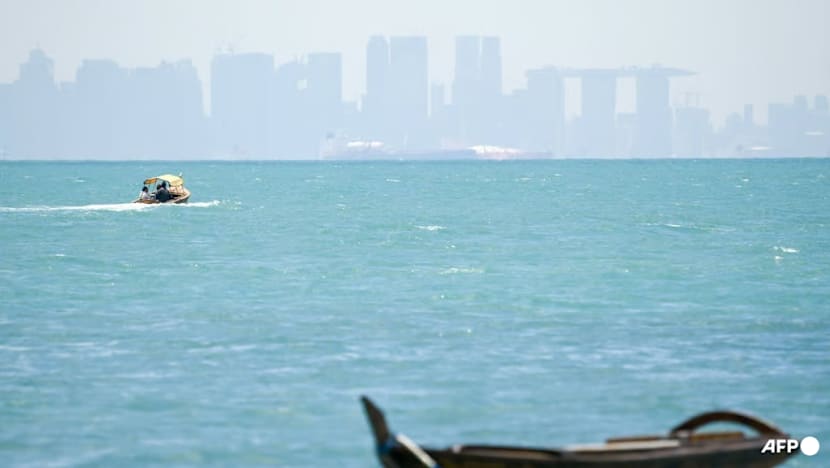
France experiences record July heat and wildfires burning over 120,000 hectares. — Source: channelnewsasia
Drought Heightens Fire Risk in Europe
Europe has been gripped by successive heatwaves and a major drought this year. [3] In Spain, between 13 and 28 July, around 140,000 hectares were burnt as a result of three major fires at Ávila–Madrid–Toledo in central Spain west of Madrid, Guadalajara north-east of Madrid and Castellón in eastern Spain. [3] The fire in Ávila, which was ignited following negligent use of heavy machinery, devastated 44,000 hectares. [3] More than 12,000 hectares of forest, scrubland and farmland burned in the space of a week across Greece according to media reports citing analysis from the European Union’s Copernicus programme. [3] These events parallel the conditions in France where drought and heatwaves have heightened fire risk across the continent. [3]
U.S. Red Flag Warning for Montana Counties
The National Weather Service in Glasgow issued a Red Flag Warning for Dawson, McCone, Prairie, Richland and Wibaux counties in Montana. [1] The warning is in effect from 11 AM to 7 PM MDT Thursday. [1] Winds are northwest at 15 to 25 mph with gusts to 35 mph. [1] Humidity will drop as low as 12 percent. [1] No thunderstorms are expected. [1] The impacts include any fires that develop spreading rapidly, and outdoor burning is not recommended. [1] The Fire Weather Watch is no longer in effect. [1]
Flash Flooding Strikes Midwest and Appalachia
At 1000 AM CDT, delayed spotter reports were received of flash flooding in the Murray area in western Clarke County, Iowa, around 840 am, with more than six inches of water flowing over some roads where the heaviest rain occurred. [2] Although floodwaters are likely on their way down, flash flooding remains possible especially in lower areas or areas with small streams and other drainage areas. [2] The hazard stems from flash flooding caused by thunderstorms, and trained spotters provided the source reports. [2] In Wayne County, West Virginia, at 1022 AM EDT, Doppler radar indicated between 1.5 and 2 inches of rain have fallen from thunderstorms earlier this morning. [4] Flash flooding is ongoing or expected to begin shortly with no additional heavy rainfall expected. [4] A separate warning from the National Weather Service in Charleston covers northwestern Wayne County until noon EDT. [5] At 855 AM EDT, Doppler radar indicated thunderstorms producing heavy rain across the warned area with between 1 and 1.5 inches of rain fallen and additional rainfall amounts of 0.5 to 1 inch possible. [5] Flash flooding of small creeks and streams, urban areas, highways, streets and underpasses as well as other poor drainage and low-lying areas is expected. [5]
Outlook for Continued Warm Conditions
Météo-France stated that temperatures are likely to remain warmer than normal throughout France over the next three months. [3] This scenario is based on the three-month average, and short-lived cooler spells remain possible. [3] The most likely scenario for rainfall is a wetter-than-normal quarter around the Mediterranean Sea, including the French regions close to the Mediterranean. [3]
What to watch next: Météo-France forecasts that temperatures will remain warmer than normal throughout France over the next three months with possible short cooler spells and wetter conditions near the Mediterranean.