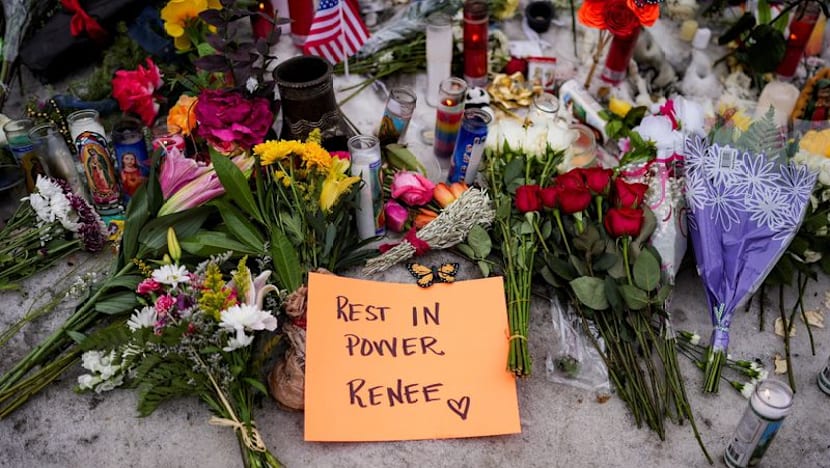

Fatal Shooting of Minneapolis Activist by ICE Officer Sparks Protests and Condemnation Over Immigration Policies
Minneapolis, MN – The fatal shooting of Renee Nicole Good, a local activist, by a U.S. Immigration and Customs Enforcement (ICE) officer during a routine traffic stop has ignited protests in the city and plans for nationwide demonstrations against federal immigration enforcement practices. The incident, which occurred on January 7, 2026, has drawn sharp criticism from local leaders, highlighting ongoing tensions between federal authorities and communities over immigration policies.
The confrontation unfolded late Wednesday evening around 10:14 p.m. GMT (5:14 p.m. local time) in Minneapolis, when an ICE officer pulled over Good's vehicle. According to reports, the situation escalated rapidly, resulting in the officer firing shots that killed the 38-year-old activist on the scene. Details remain limited as the investigation is ongoing, but the event has been classified as a medium-severity civil unrest incident, prompting immediate gatherings of demonstrators calling for accountability and an end to aggressive ICE tactics.
Protests erupted shortly after news of the shooting broke, with crowds assembling near the site of the traffic stop and outside local government buildings. Demonstrators have chanted slogans decrying federal immigration policies, accusing ICE of overreach and racial profiling. Local leaders, including Minneapolis city council members and community organizers, have publicly condemned the shooting, linking it to broader frustrations with the agency's enforcement strategies under the current administration.
"This tragedy underscores the dangerous escalation in everyday encounters with federal agents," said a statement from a Minneapolis activist group, as reported in initial coverage. The city's mayor has called for a full, transparent investigation by both local police and federal oversight bodies, emphasizing the need to address "systemic issues in immigration enforcement."
Escalation to National Stage
By January 10, 2026, the incident had garnered national attention, with organizers announcing plans for coordinated protests across major U.S. cities. Advocacy networks tied to immigrant rights groups, such as the National Immigration Law Center and local chapters of the ACLU, have mobilized online, framing Good's death as a flashpoint in the long-simmering debate over ICE operations. Social media hashtags like #JusticeForRenee and #AbolishICE have trended, amplifying calls for policy reform.
The Channel News Asia report highlights how the shooting "sets the stage for national protests," noting that Good was known locally for her activism on immigrant rights and community policing issues. Her death has resonated particularly in Minneapolis, a city still grappling with the aftermath of high-profile police incidents, including the 2020 killing of George Floyd, which sparked global Black Lives Matter protests.
Background on ICE Operations and Immigration Tensions
ICE, part of the U.S. Department of Homeland Security, is tasked with enforcing federal immigration laws, including deportations and border security. In recent years, the agency has faced scrutiny for its traffic stop initiatives, which aim to apprehend individuals with outstanding immigration violations but have led to accusations of disproportionate targeting of minority communities. Data from the Department of Homeland Security's fiscal year 2025 reports indicate that ICE conducted over 150,000 enforcement actions nationwide, with a focus on interior removals amid political pressures to curb illegal immigration.
Minneapolis, located in Hennepin County, Minnesota, has a significant immigrant population, including sizable Somali, Hmong, and Latin American communities. The city declared itself a sanctuary jurisdiction in 2016, limiting local cooperation with ICE detainers, which has created friction with federal authorities. This policy stance has been tested repeatedly, including during surges in enforcement under previous administrations.
Good's background as an activist adds layers to the narrative. Described in reports as a vocal advocate for marginalized groups, she had participated in prior demonstrations against deportation raids. While body camera footage and official ICE statements have not yet been released, preliminary accounts suggest the traffic stop began over a minor violation, escalating when Good reportedly questioned the officer's authority.
Federal officials have responded cautiously. An ICE spokesperson stated that the officer acted in accordance with training protocols and that the matter is under review by the Department of Homeland Security's Office of Inspector General. No charges have been filed against the officer as of January 10, fueling protester demands for swift action.
Outlook Amid Rising Tensions
As investigations continue, the potential for expanded unrest looms. National protest organizers are scheduling events for the coming weekend in cities like New York, Los Angeles, Chicago, and Washington, D.C., with expectations of thousands participating. Civil rights groups warn that without policy changes—such as limits on ICE traffic stops—the incident could mirror past escalations, leading to sustained demonstrations.
Minneapolis police have increased patrols in protest areas and urged peaceful assembly, while federal lawmakers from both parties have weighed in. Progressive Democrats have renewed calls to defund or restructure ICE, while some Republicans defend the agency's role in upholding immigration law.
The shooting comes at a time of heightened national debate on immigration, with border encounters reaching record levels in 2025 and legislative efforts stalled in Congress. For now, Renee Nicole Good's death serves as a stark reminder of the human cost at the intersection of law enforcement and policy disputes, with ripple effects likely to shape public discourse in the weeks ahead.
(Word count: 712)






