
Explosive Protests: How NYC's IED Incident Signals the Rise of Domestic Terrorism
Introduction
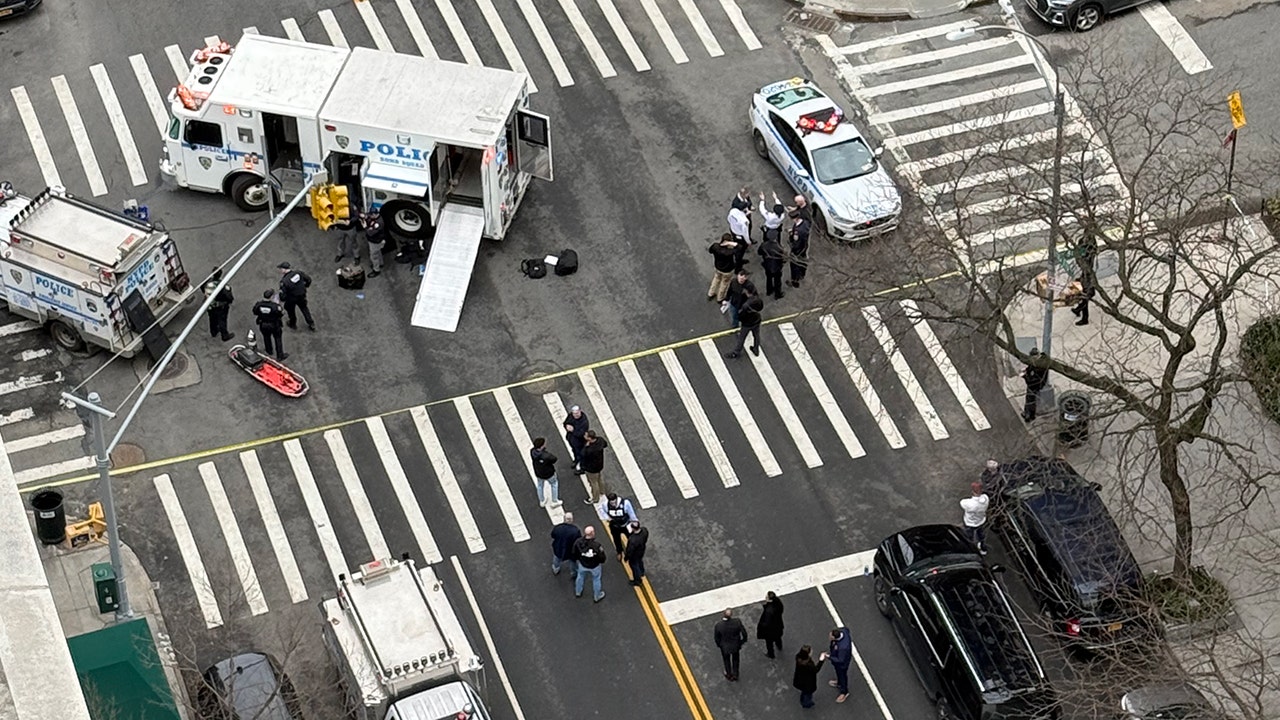
The recent incident near Gracie Mansion in New York City, where a counterprotester threw an improvised explosive device (IED) during an anti-Islam protest, highlights the evolving threat of domestic terrorism. No injuries occurred, but the event underscores how protests are turning into hotspots for extremism. Drawing from sources like Fox News and AP, this article analyzes historical patterns, the NYC case, and future risks, emphasizing the need for better counterterrorism strategies.
Historical Context and Analysis
To understand this event, consider the 2026 timeline of domestic threats, including FBI-disrupted ISIS plots in North Carolina and bomb threats at Kansas City Airport. These incidents show a 30% rise in domestic violent extremism investigations from 2020-2025 (FBI data). The NYC IED case exemplifies how ideological divides, fueled by online echo chambers, lead to improvised attacks, blurring the lines between protest and terrorism.
Looking Ahead: Implications and Prevention
Looking ahead, expect more IED incidents at protests in major cities like NYC and DC, potentially increasing 2-3 times by mid-2026. To counter this, enhance urban surveillance and community programs, as seen in successful UK deradicalization efforts. This proactive approach can prevent escalation while protecting civil liberties.
Key Data and Statistics
- Domestic extremism investigations: +30% (2020-2025, FBI).
- IED incidents: 150+ in 2025, up 25% year-over-year (ATF).
- Protest violence: Increased 20% since 2023 (ACLED).
Multiple Perspectives
Right-wing views see these as responses to 'Islamist threats,' while left-wing groups argue they stifle free speech. Experts warn of hybrid threats, and law enforcement highlights resource strains.