
Explosions Rock Caracas Amid Maduro's Capture by U.S. Delta Force
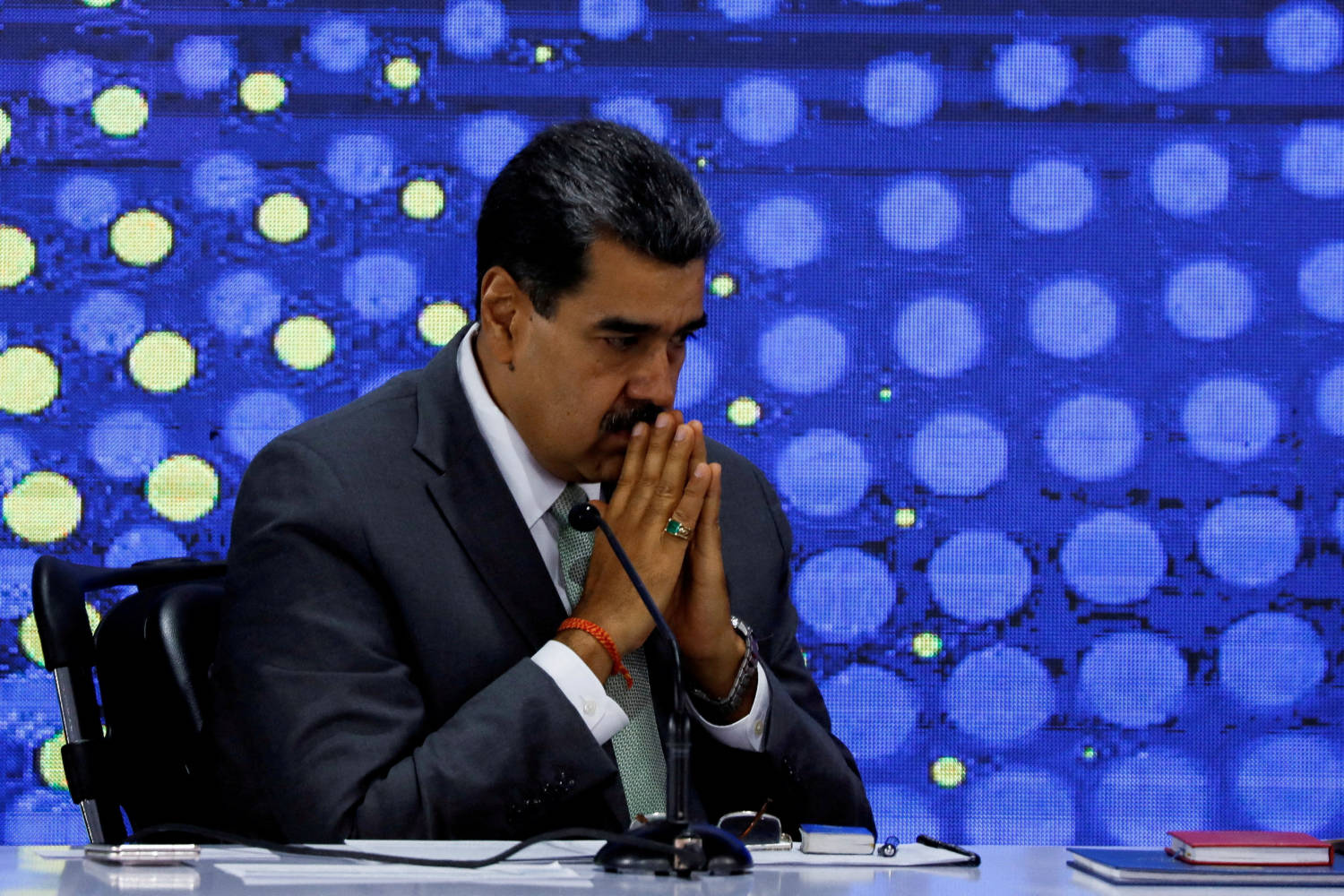
Multiple explosions have shaken the Venezuelan capital of Caracas early Saturday morning, coinciding with a significant security operation that resulted in the capture of President Nicolás Maduro and his wife by U.S. Army Delta Force commandos. The blasts, occurring around 7:43 AM GMT, have raised alarm among residents and officials, sparking fears of escalating violence in a country already grappling with political instability and economic turmoil.
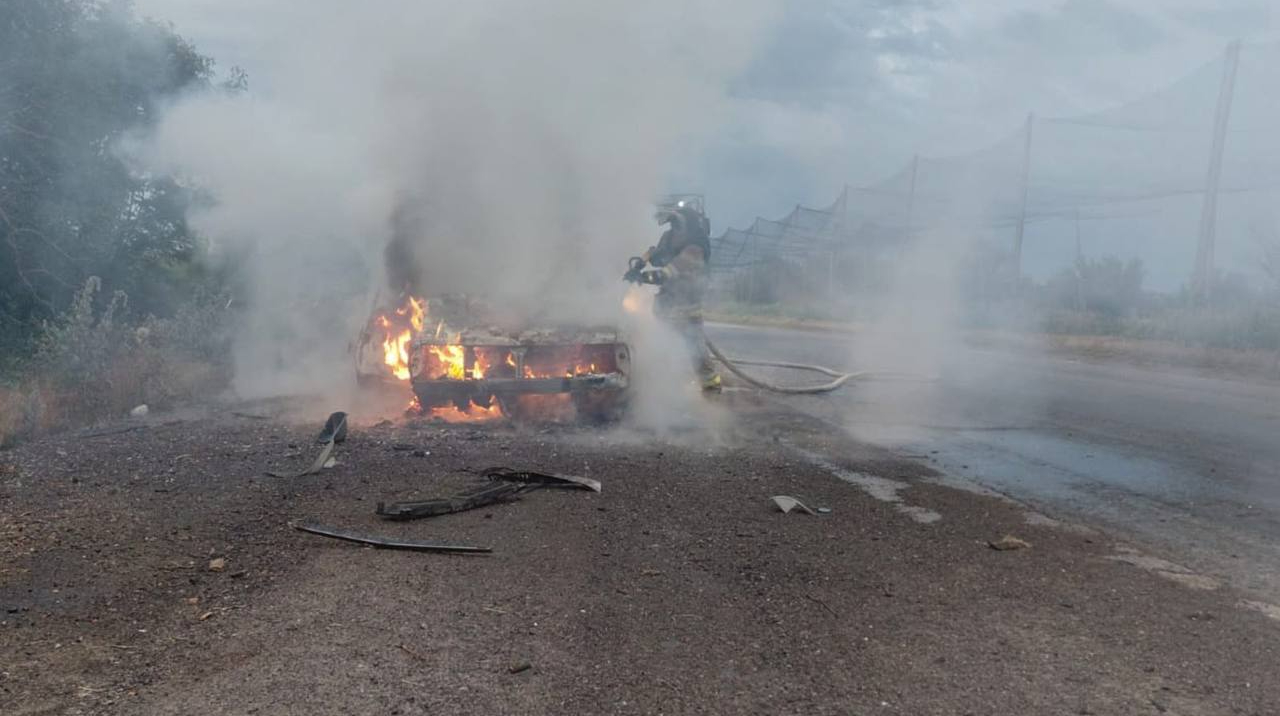
The explosions, characterized as high severity, erupted in various locations throughout Caracas, although specific details regarding casualties and damage are still emerging. Local authorities are working to assess the situation while emergency services have been deployed to the affected areas. Eyewitnesses reported hearing loud blasts followed by the sounds of chaos as people fled from the vicinity of the explosions.
This tumultuous event unfolded against the backdrop of a high-stakes military operation. According to U.S. officials, the Delta Force commandos executed a targeted raid to capture Maduro and his wife, Cilia Flores, in what appears to be a significant move by the United States amid ongoing tensions in Venezuela. The operation has drawn global attention, given its implications for Venezuela's future and U.S.-Latin American relations.
Context of the Situation
Nicolás Maduro has been a controversial figure since he rose to power following the death of Hugo Chávez in 2013. His government has faced accusations of authoritarianism, human rights abuses, and mismanagement of the economy. The country has been in a state of crisis for years, with millions fleeing due to food shortages, hyperinflation, and violence.
The United States has been critical of Maduro's regime, imposing sanctions aimed at pressuring his administration to relinquish power. The recent operation by Delta Force indicates a dramatic escalation in U.S. involvement in Venezuelan affairs, potentially transforming the landscape of political resistance within the country.
The simultaneous explosions may be connected to either retaliatory actions against the U.S. operation or a wider pattern of violence as factions within Venezuela react to the shifting political climate. As of now, the Venezuelan government has not released an official statement regarding the explosions, and it remains unclear how the capture of Maduro will impact the internal security environment.
International Reactions and Implications
The capture of Maduro has triggered a wave of reactions from international leaders and organizations. Many countries in the region are closely monitoring the situation, with some expressing support for the U.S. intervention, while others condemn it as an infringement on Venezuela's sovereignty. Analysts suggest that the developments could lead to a power vacuum, heightening the risk of further violence and instability.
In light of the explosions and the capture of Maduro, the international community is calling for restraint and a peaceful resolution to the ongoing crisis in Venezuela. The situation remains fluid, with the potential for further unrest as various factions within the country may seek to assert control in the wake of these unprecedented events.
Conclusion
As Venezuela grapples with the fallout from the explosions in Caracas and the capture of President Maduro, the prospects for stability remain uncertain. The explosions serve as a stark reminder of the volatility that defines the country, while the U.S. military's involvement raises questions about the future of Venezuelan politics. With ongoing tensions and a complex security landscape, the coming days and weeks will be critical in determining the direction Venezuela will take in this turbulent period.