
Explosions in Caracas Signal Escalating Instability in Post-Maduro Venezuela as ELN Pressures Border Region
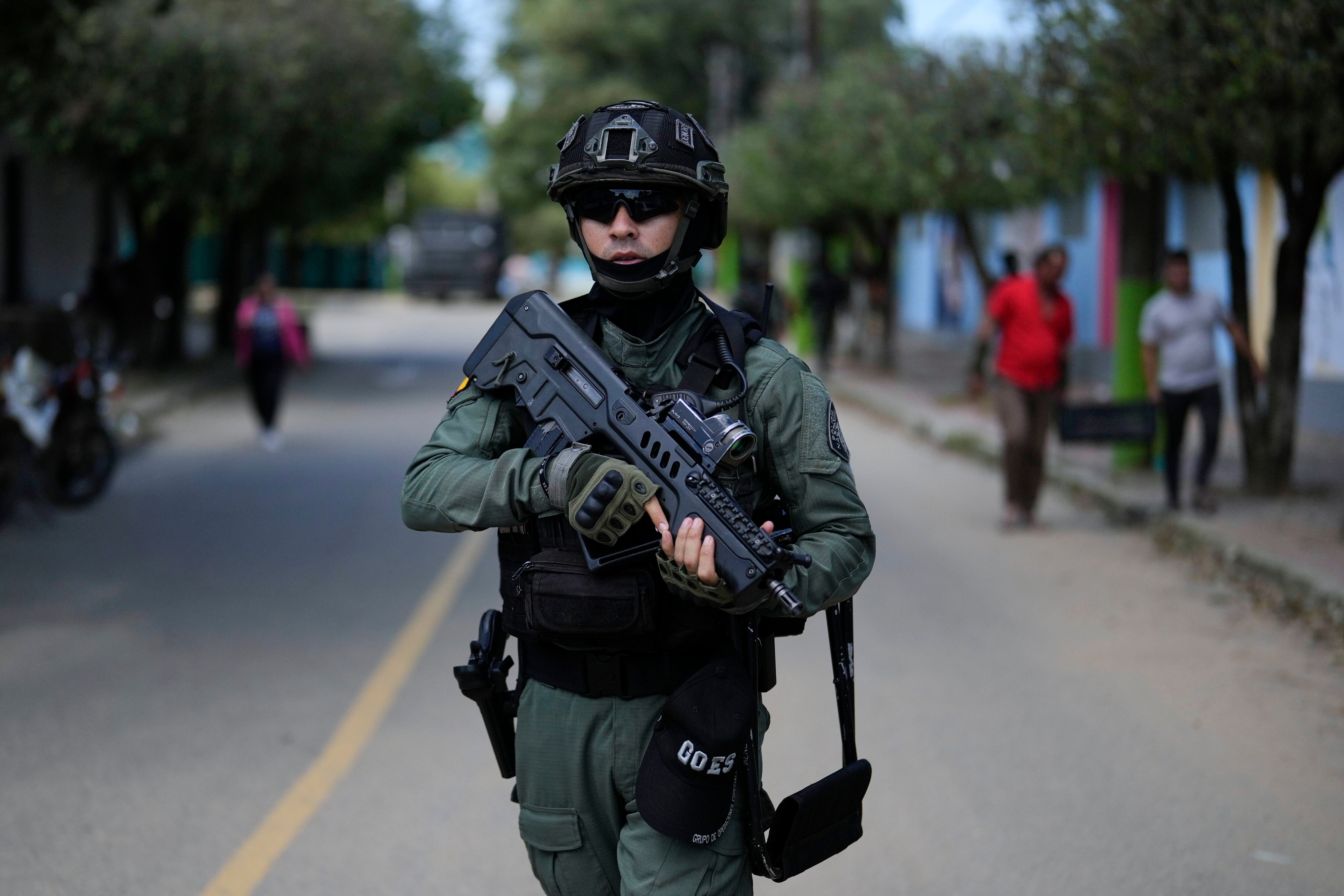
Caracas, Venezuela – Multiple explosions rocked the Venezuelan capital of Caracas on January 3, 2026, witnessed firsthand by a CNN reporting team, amid signs of heightened violence in the country. The blasts, occurring around 06:43 GMT, have raised alarms about ongoing conflict just days into a fragile post-Nicolás Maduro era, as guerrilla activity intensifies along the Colombia-Venezuela border.
The Caracas incidents mark a high-severity escalation in urban violence, potentially linked to the power vacuum following Maduro's downfall. Eyewitness accounts from the CNN team described the explosions as audible and visible, suggesting coordinated or significant disruptive actions in the heart of the nation's political and economic center. No immediate casualties or official claims of responsibility were reported from the event, but the timing aligns with broader unrest in Venezuela, where political transitions have historically triggered sporadic violence.
Simultaneously, the Colombian guerrilla group known as the National Liberation Army (ELN) continues its offensive in the Catatumbo border region, exacerbating a humanitarian crisis that shows no signs of abating. According to a January 7 report from El País, the ELN's operations persist despite vulnerabilities in its rearguard areas within Venezuela, which have been destabilized by Maduro's ouster. The article highlights how the guerrilla's actions have displaced communities and strained resources in this oil-rich, conflict-prone zone straddling Norte de Santander in Colombia and Táchira state in Venezuela.
Details of the Caracas Explosions
The explosions in Caracas occurred early on Saturday, January 3, in a context of national uncertainty. Venezuela has long grappled with political division, economic collapse, and armed group influence, but the recent fall of Maduro – the longtime socialist leader whose 25-year rule ended amid widespread protests and international pressure following disputed 2024 elections – has introduced new dynamics. Maduro's regime, backed by military loyalists and allies like Russia and Cuba, faced mounting opposition from figures such as María Corina Machado and Edmundo González Urrutia, culminating in his removal late last year.
Witnessed by international journalists on the ground, the blasts underscore the fragility of the transitional government. Caracas, home to over 2 million residents, has been a flashpoint for protests and clashes since the 2010s, with past incidents involving opposition demonstrators, security forces, and pro-Maduro militias known as "colectivos." The high-severity classification of this event points to its potential to disrupt daily life and signal deeper insurgent or factional strife.
ELN Offensive in Catatumbo: A Border in Crisis
Further complicating Venezuela's security landscape is the ELN's unrelenting pressure on the Venezuelan border. The El País report details how the group's guerrilla offensive in Catatumbo – a rugged area notorious for coca cultivation, illegal mining, and cross-border smuggling – has triggered a severe humanitarian emergency. Thousands of civilians have been displaced, with limited access to food, medical care, and safe passage.
The ELN, founded in 1964 as a Marxist-Leninist insurgency inspired by Cuba's revolution, has historically used Venezuelan territory as a safe haven under Maduro's government, which provided tacit support in exchange for political leverage against Colombia. Maduro's downfall has jeopardized this "rearguard," forcing the ELN to adapt amid potential shifts in Venezuelan policy toward Colombian peace processes. Yet, the group shows "no sign of letting up," per El País, launching attacks that have overwhelmed local Colombian forces and aid organizations.
Catatumbo's volatility is compounded by rival dissident factions of the Revolutionary Armed Forces of Colombia (FARC), making it one of Latin America's deadliest conflict zones. In 2025 alone, prior to these events, the region saw hundreds of violent deaths, according to United Nations data on Colombia's internal armed conflict.
Background: Venezuela's Long Road to Instability
Venezuela's turmoil traces back to the early 2000s under Hugo Chávez, Maduro's mentor, when oil wealth funded expansive social programs but masked corruption and mismanagement. Hyperinflation peaked at over 1 million percent in 2018, prompting mass migration of 7.7 million people – the largest displacement crisis in Latin American history, per UNHCR figures.
The 2019 U.S.-backed recognition of opposition leader Juan Guaidó as interim president failed to dislodge Maduro, leading to sanctions that deepened the economic crisis. Border regions like Catatumbo became havens for armed groups exploiting Venezuela's weakness. Maduro's fall, reportedly in December 2025 after military defections and street protests, has ushered in an interim administration struggling to assert control amid factional rivalries and external pressures.
International observers, including the Organization of American States (OAS) and European Union, have called for democratic elections, while neighboring Colombia under President Gustavo Petro pursues peace talks with the ELN – talks stalled by these border clashes.
Outlook Amid Uncertainty
As of January 7, 2026, Venezuelan authorities have not issued detailed statements on the Caracas explosions, and ELN spokespeople remain silent on their border strategy. The convergence of urban blasts and rural guerrilla warfare highlights the multifaceted threats facing the post-Maduro transition. Humanitarian agencies warn of worsening conditions in Catatumbo, with calls for cross-border ceasefires.
Regional leaders, including Colombia's government, are monitoring developments closely, fearing spillover. For Venezuelans, these events serve as stark reminders that political change does not guarantee peace, as entrenched armed actors adapt to new realities. Stability will hinge on the transitional government's ability to secure borders, disarm militias, and foster inclusive governance.
(Word count: 712)






